
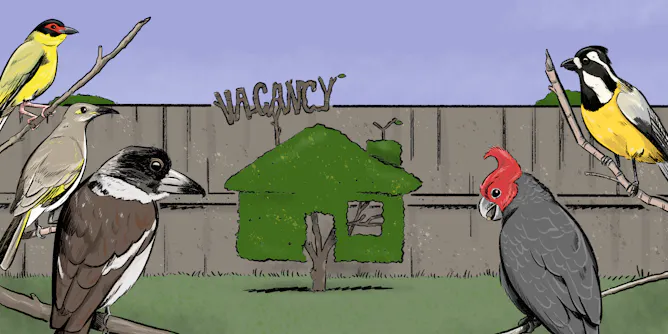
Each B&B is a green sanctuary for pollinators, containing pollinating plants and shelters like beehives and nesting boxes.
Articles on Insects
Displaying 341 - 360 of 549 articles

Insects are essential to the functioning of land and freshwater ecosystems but species populations are being lost at a rapid rate globally.
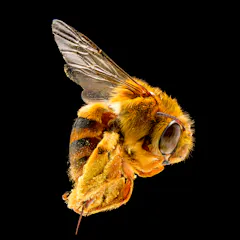
In NSW, honeybees are listed as a key threatening process to biodiversity.
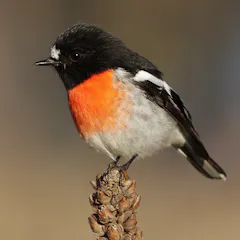
First come the beetles, then the birds: how nature is surviving, and thriving, after a summer of fires.
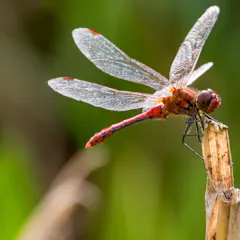
While many surveys show the numbers of wildlife falling, there is good news for some species – including pondskaters and various mosses and lichen.
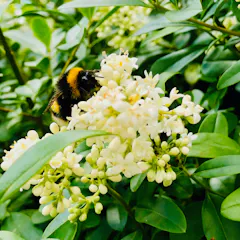
A new study has found that European and North American bumblebee populations have shrank by a third since 1970.
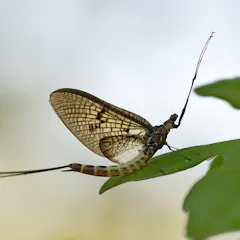
Mayflies and stone flies are extremely vulnerable to water pollution, which has implications for the larger food chain.
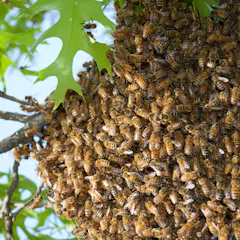
A swarm of honeybees can provide valuable lessons about how a group of many individuals can work together to accomplish a task, even with no one in charge. Roboticists are taking notes.

Nuisance-biting and mosquito-borne disease are ongoing concerns for health authorities. But an effective citizen science program is now showing how all of us can help beat the bite of mozzies.
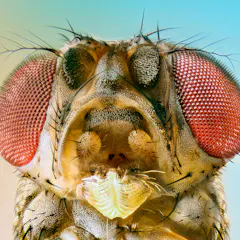
Your taste for cheese and yoghurt may never have been satisfied were it not for illicit microbial sex.
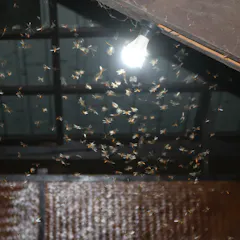
Moths and insects cluster around lights at night. Why?
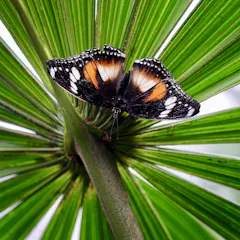
Insects are vital to sustaining life on Earth – and their numbers are falling fast. So consider ditching the fly spray and see what you can do to help.
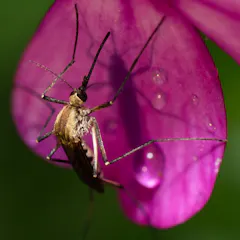
Mosquitoes have intricate and essential relationships with plants. Understanding their important work as pollinators would help to understand their role in different ecosystems.
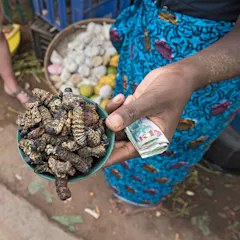
There needs to be more awareness of the benefits of insects as food, and support for farming and markets.
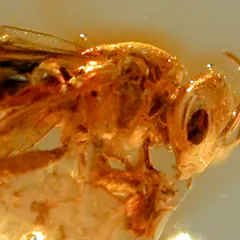
How do we know that bees were around when dinosaurs still roamed the Earth? The main evidence comes from fossils – the mineralized remains of long-dead organisms.
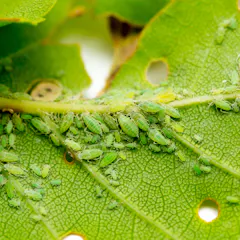
Certain wasps and flies which lay their eggs in specific species such as aphids could be a sustainable form of pest control.
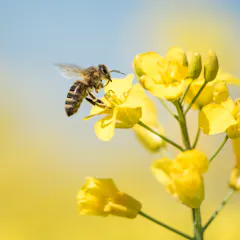
It’s unlikely that all species of bees will go extinct anytime soon – but current losses could still have a terrible impact on food supplies and ecosystems.
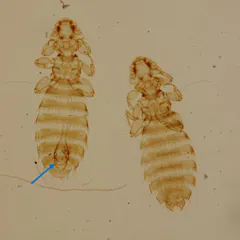
Reconsidering an old ecological conundrum comes up with a new perspective on migration, contact and trade in the Australia and Asia-Pacific region.
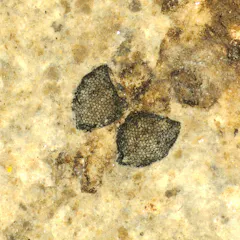
Fossil flies from what is now Denmark reveal some striking similarities between insect eyes 54 million years ago, and our own vision today.
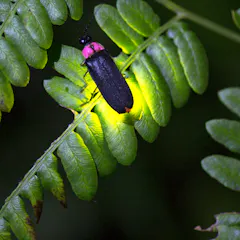
For many people, the gentle blinks of fireflies flashing are a favorite part of summer evenings. An entomologist explains some lightning bug basics.
Top contributors
-

Associate Professor in Entomology, University of Sydney
-
Clinical Associate Professor, School of Medical Science & Sydney Infectious Diseases Institute; Principal Hospital Scientist, University of Sydney
-
Professor of Behavioural Ecology, UCL
-
Lecturer, School of Life and Environmental Sciences, University of Sydney
-
Director of the Australian National Insect Collection, CSIRO
-
Lecturer in Ecology, University of New England
-
Associate Professor, Department of Physiology, Monash University
-
Research Fellow, School of Biological Sciences, Monash University
-
Postdoctoral Researcher in Mycology, West Virginia University
-
Adjunct associate, CSIRO
-
Associate Professor, Ecology, Northumbria University, Newcastle
-
Senior Research Associate in Entomology, Lancaster University
-
Assistant Professor, Faculty of Agriculture, Dalhousie University
-
Senior Ecologist, University of Sydney
-
PhD Candidate in Zoology, University of Otago