

During the pandemic, carers reported their loved ones with dementia became more disoriented, restless and withdrawn. And carers themselves experienced poorer mental health.
Articles on Cognition
Displaying 121 - 140 of 222 articles

Smart devices and sensors can now gauge mood and attention, effectively engaging in mind-reading. This intimate data collection raises questions about who has access and control of it.

The symptoms of menopause, which can include sleep disturbance, depression, anxiety and ‘brain fog’ can span perimenopause and last for up to ten years.
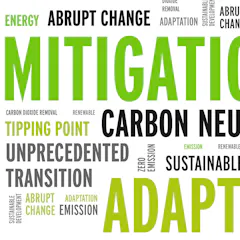
The language around climate change can feel overwhelming. A psychology and public policy expert breaks it down in plain English.

Each new technology raises concerns about how they will negatively affect our ability to think, retain and process information. But these technologies don’t detract from our cognitive abilities.

To stay healthy, it’s important to understand how wildfire smoke can harm your body and how to protect yourself.

That feeling of ‘I-know-it-but-can’t-quite-remember-it’ has been studied for decades, but there’s a new twist: It’s more common in groups.

Learning that our brains process information differently when we’re standing up or lying down has implications for how we study and assess brain function.

Are you good at changing perspectives? If so, it may benefit you in more ways than you imagine.

Analysis of 46 studies indicates that there’s still a lot of uncertainty about the long-term impacts of digital device use on cognition.

It appears that the South African Cape south coast’s dunes and beaches formed a vast canvas of sand on which our ancestors could leave their mark.
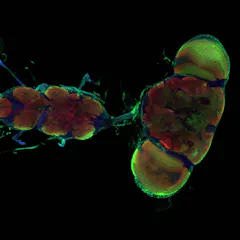
Adaptable neurons are tied to learning and memory but also to neurological disorders. By studying fruit flies, researchers found a mechanism that controls neuroplasticity.

High levels of cognitive performance and effective teamwork are crucial to long-duration space missions.

Anti-inflammatory drugs may be able to reverse cognitive decline in the future.
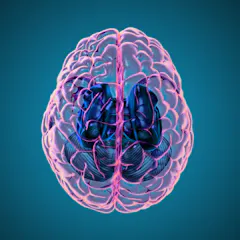
The brain is surprisingly changeable.

During Mental Health Week, let’s look at why some people, such as those experiencing depression or substance dependency, struggle to make decisions like everyone else.

Hindu philosophy believes the soul to be immortal. Death is considered to be the end of only physical incarnation, as the soul continues its journey of multiple births until its final liberation.

Journalists use real people’s stories to ‘humanize’ the news. But these tales – whether harrowing or heartwarming – can be misleading about the pandemic’s greatest threats.
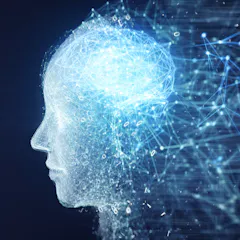
A bioengineer explains how a clearer picture of brain structure and function may fine-tune the ways brain surgery attempts to correct structure and medication tries to correct function.

Whether in situations relating to scientific consensus, economic history or current political events, denialism has its roots in what psychologists call ‘motivated reasoning.’
Top contributors
-

Professor of Clinical Neuropsychology, University of Cambridge
-
Postdoctoral Research Associate, Cognitive Neuroscience, University of Cambridge
-
Professor of Science and Technology for Brain-Inspired Intelligence/ Computer Science, Fudan University
-
Research Fellow, School of Biological Sciences, Monash University
-
Associate Professor, Department of Physiology, Monash University
-
Senior Lecturer in the School of Psychology, University of Lincoln
-
Researcher and analyst, Monash University
-
Senior Lecturer, Department of Psychological Sciences, Birkbeck, University of London
-
Senior Lecturer in Psychology, Nottingham Trent University
-
Hon Professor of Neuropsychology, Cardiff University
-
Young Principal Investigator of Neuroscience, Fudan University
-
Professeur de Sciences Comportementales, membre du groupe de recherche CNRS-GREGHEC, HEC Paris Business School
-
Postdoctoral research fellow of Neuroscience, Fudan University
-
Associate professor, University of Johannesburg
-
Senior lecturer, Griffith University