

An experimental Alzheimer’s drug takes a different approach from existing treatments.
Articles on Alzheimer's disease
Displaying 1 - 20 of 455 articles

AR1001 slowed the worsening of symptoms by 31% in people not taking other Alzheimer’s drugs, but results across the full trial were less clear.

New research identifies the multiple ways in which brain changes may be helpful adaptations to the challenges of aging.

Brain ‘resilience’ may hide the disease until it’s too late.
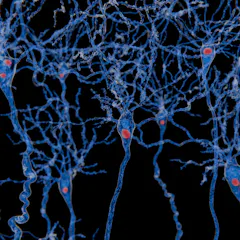
Dementia with Lewy bodies (DLB) is the second most common neurodegenerative disease in after Alzheimer’s.

Fourteen modifiable risk factors that contribute to dementia have been identified. These can be mitigated by adopting healthier lifestyles.

Drinking is partly a brain-regulated behaviour: the brain detects changes in the body’s fluid balance, generates thirst and helps translate that signal into seeking and drinking water.

From thalidomide to resveratrol, molecules with the exact same chemical properties can have drastically different effects in the body depending on how they’re arranged in space.

As dogs age, their brains undergo similar changes to human brains, making them a valuable natural model to study dementia and other neurodegenerative diseases.

The basics are the same: be respectful and don’t make assumptions. But these practical tips can make conversations more meaningful and less distressing.

The type of menopause and differences between women taking HRT complicate claims about its potential to prevent dementia.

Learning another language is not a miracle cure for aging, and it cannot guarantee protection against Alzheimer’s disease. But it does have various other benefits.
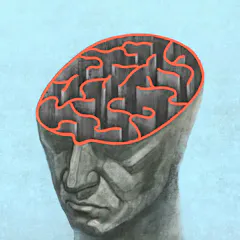
Our understanding of the causes of Alzheimer’s disease is evolving. Recent discoveries have revealed the important role of the cerebral vascular system.

A new technique can reveal cellular changes linked to the disease that were previously visible only in brain tissue after death.

Physical exercise, a proper diet, cognitive training, clinical monitoring, and socialization improve cognitive performance by 55% among older adults in Latin America.

People living with Alzheimer’s as well as their caregivers benefit from culturally informed care.

A major new study of 4.2 million people found leisure exercise cuts dementia risk – but manual labour and active commuting may raise it.

Working with and living in spatially complex environments may help delay cognitive decline, though more research is needed.

New blood tests for Alzheimer’s won’t give you an instant diagnosis. Here’s what they’ll tell you instead.

Specialized health care for brain-related issues can be lacking in rural areas, but collaborative, community-based approaches can help address these inequities.
Top contributors
-

PhD Candidate, Neuroscience, University of Sheffield
-
Research Fellow in Neuroimmunology, UCL
-
Professor of Chemistry and Senior Scientist of the Krembil Research Institute, University Health Network, University of Toronto
-
Professor of Biological Psychology, Loughborough University
-
Head of Clinical Services, Dementia Support Australia, & Associate Professor of Psychiatry, Monash University
-
Professor Emeritus of Molecular Neurobiology at the University of Manchester and a Visiting Professorial Fellow, University of Oxford
-
Associate Professor, Turner Institute for Brain and Mental Health, Monash University
-
Professor of Neurology and Neuroscience, University of Florida
-
Étudiant au doctorat en psychologie, Université du Québec à Montréal (UQAM)
-
Post grad student at University of Edinburgh, University of Edinburgh
-
Host, The Conversation Weekly Podcast, The Conversation
-
Professor of Neurology, UCL
-
Associate Professor in Cellular Neuroscience, University of Reading
-
Professor of Psychology in Epidemiology, UCL
-
Affiliate Professor, Department of Family Medicine, McGill University