

The complexity of the financial market is far beyond the information processing capabilities of human cognition.
Articles on Cognition
Displaying 81 - 100 of 222 articles

Doing two things at the same time isn’t always as productive, healthy or safe as focusing on one thing at a time.

Common misperceptions about AI chatbots are that they know something about the world, can make decisions, are a replacement for search engines and operate independent of humans.

Time’s elasticity is part of how we process it.
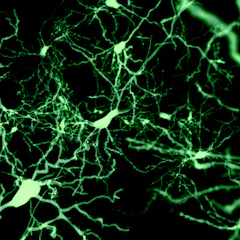
It is unknown exactly how SSRIs and psychedelics treat depression, but their ability to boost flexibility may be more important than previously thought.

Humans are social beings so it’s no wonder that feeling isolated can affect the way we think

Box jellyfish have no brains, yet were recently found to be able to learn from touch. Many brainless organisms are now forcing us to rethink what it means to learn.

While a cup of joe or a brief nap during an all-nighter might help you feel a little more alert, it won’t offset cognitive impairments from sleep deprivation when you’re performing complex tasks.

Humans have been making symbols for numbers for thousands of years. Different cultures developed their own symbols, but all use addition and multiplication, suggesting arithmetic is a universal truth.

Too few friends or too many friends can hamper children’s learning and cognition.

Early childhood poverty is in fact a risk factor for lower educational attainment, poorer cognition and worse mental health.

From jellyfish to genius, the amazing diversity of animal minds around us evolved through five major changes in the computational capacity of brains.
Stimulants such as Ritalin and modafinil have a reputation as off-label ‘smart drugs’ that boost cognitive performance. New research suggests they have the opposite effect.

It is becoming increasingly clear that ADHD comes with self-control problems, suggesting therapy should be offered alongside drugs.

Our experiments with the critically endangered Bail myna showed some birds are bolder than others.
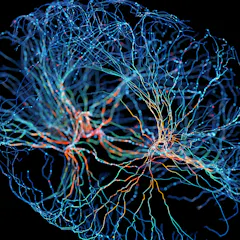
Glioblastoma is the most aggressive type of brain cancer, causing significant decline in cognitive function. New research suggests a common anti-seizure drug could help control tumor growth.

People with aphantasia are unable to deliberately bring to mind mental images. Understanding the mechanisms of aphantasia reveals that different types of cognition exist.

Learning new rules requires the suppression of old ones. A better understanding of the brain circuits involved in behavioral adaptation could lead to new ways to treat schizophrenia and bipolar disorder.

Dobble is a card game that originated in France in 2009. It involves observation, articulation and speed.

Entrepreneurs are more flexible than high-level managers.
Top contributors
-

Professor of Clinical Neuropsychology, University of Cambridge
-
Postdoctoral Research Associate, Cognitive Neuroscience, University of Cambridge
-
Professor of Science and Technology for Brain-Inspired Intelligence/ Computer Science, Fudan University
-
Research Fellow, School of Biological Sciences, Monash University
-
Associate Professor, Department of Physiology, Monash University
-
Senior Lecturer in the School of Psychology, University of Lincoln
-
Researcher and analyst, Monash University
-
Senior Lecturer, Department of Psychological Sciences, Birkbeck, University of London
-
Senior Lecturer in Psychology, Nottingham Trent University
-
Hon Professor of Neuropsychology, Cardiff University
-
Young Principal Investigator of Neuroscience, Fudan University
-
Professeur de Sciences Comportementales, membre du groupe de recherche CNRS-GREGHEC, HEC Paris Business School
-
Postdoctoral research fellow of Neuroscience, Fudan University
-
Associate professor, University of Johannesburg
-
Senior lecturer, Griffith University