

Sleep isn’t just a time when the brain shuts down. During sleep, the brain reviews the day’s experiences and strengthens important memories.
Articles on Memory
Displaying 1 - 20 of 426 articles

When Kevin Harvey reads poetry aloud in dementia care settings, he’s often struck by the influence it has on people’s quality of life.
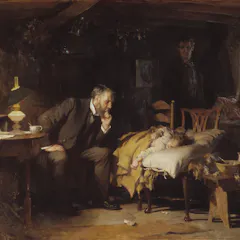
What do we owe to very young children — typically toddlers — who appear to remember previous lives?
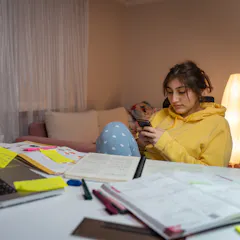
You might even be putting off studying right now, but that doesn’t mean the whole day is a lost opportunity.
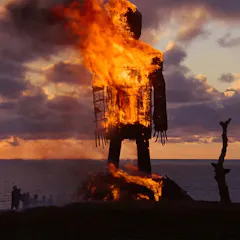
Memories endure, histories resurface, places retain physical traces of the past, and forgotten possibilities continue to shape our understanding of the world.
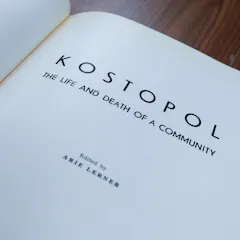
After the Holocaust, Eastern European survivors collaborated on memorial books called ‘yizker bikher’ – one way to reclaim their neighbors’ lives and memories.

The complex relationship between truth and fiction is present in all memoir writing.

The brain’s acute response to the trauma of sexual assault can block a person’s ability to accurately assess what they experienced.
Modern AI owes its existence to both cognitive and computer science. What you envision as its origin story can influence how you understand what large language models can do.
‘Use it or lose it’ isn’t quite true when it comes to the health benefits of exercise. Cells across the body retain a memory of training that lasts longer than once thought.

Rather than telling a single story, street names preserve several layers of public memory.

How prepared are you for an emergency?

Rather than simply forgetting a memory, your brain has likely misplaced it. Aging can make memory confusion worse.
Memories are dynamic, not fixed. Even if what you’re remembering about your own experience isn’t quite how it all happened, those memories serve important roles.

Filling every spare moment with a podcast, message or social-media scroll may deny the brain a useful window for consolidating new memories.
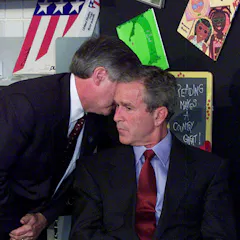
Having a vivid, detailed memory of a remarkable event like 9/11 can seem like a demonstration of patriotism and a connection with other Americans.

Bacteria use strategies similar to artificial neural networks to use the past to adapt to the future.
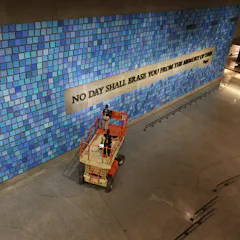
There is a strange nostalgia in realizing that something once so immediate now belongs increasingly to people who know it only as the past.
Memory makes AI agents more useful, but it can also allow malicious instructions to remain hidden and influence decisions long after an attack.

When a person’s story about a traumatic event seems fuzzy, they may be experiencing the nuances of how their brain processes trauma.
Top contributors
-

Senior Lecturer (Adjunct), Nutritional neuroscientist, Adelaide University
-
Head of Developmental Psychobiology Lab, Deakin University
-
Professor of Educational Psychology, University of Wollongong
-
Professor of Psychology, Lafayette College
-
Associate Professor in Cognitive Science, Western Sydney University
-
Pro Vice-Chancellor (Research Performance and Development) and Professor of Cognitive Science, Macquarie University
-
Associate professor, University of Sydney
-
Professor of Music Psychology, Durham University
-
Professor of Clinical Neuropsychology, University of Cambridge
-
Reader in Psychology, Aston University
-
Senior Lecturer, The University of Melbourne
-
Professor of Cognitive Psychology, City St George's, University of London
-
Professor of Anatomy, University of Bristol
-
Senior Lecturer in Psychology, City St George's, University of London
-
Professor, Neuropsychology, University of Westminster