
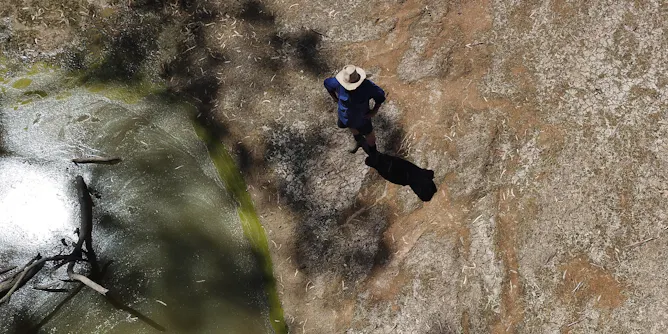
This Australian climate policy gives cause for hope, but will it really lead to a well-adapted Australia?
Articles on Climate change adaptation
Displaying 141 - 160 of 326 articles
Helping developing nations pay for the expensive work of emissions reduction and adaptation benefits everyone on the planet.
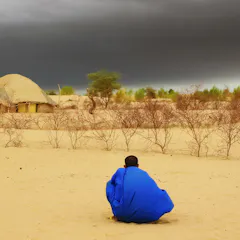
Without financial support that helps communities adapt to climate impacts, climate change is projected to push tens of millions more Africans into extreme poverty by 2030.
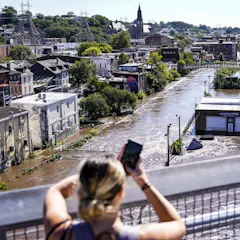
More than half of the world’s population lives in cities, and that share is growing. Rapid climate change could make many cities unlivable in the coming decades without major investments to adapt.
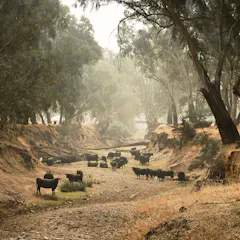
We need to urgently address the gaps in Australia’s capacity to manage disasters that have widened since climate adaptation was relegated to the back burner.
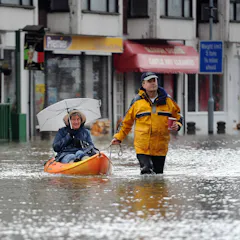
We surveyed 2,400 businesses to see what they are doing to prepare for climate change.
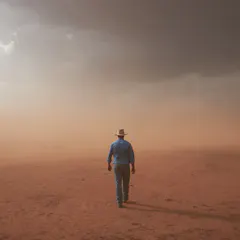
Australia must start planning for the loss of entire regional communities, and internal climate refugees.
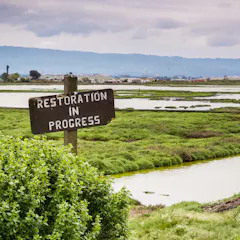
Every five years nations must evaluate their progress towards the goals of the Paris Agreement. But this “stocktake” lacks detail making it difficult to measure progress on climate action.
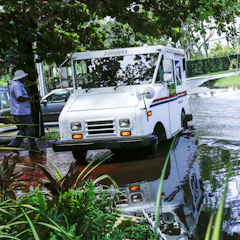
Many coastal US cities are contending with increasingly frequent and severe tidal flooding as sea levels rise. Some are considering building seawalls, but this strategy is not simple or cheap.
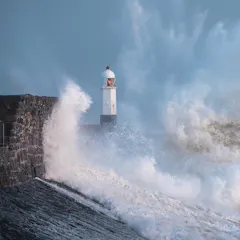
Mitigating climate change is more politically popular than adapting to its inevitable effects.
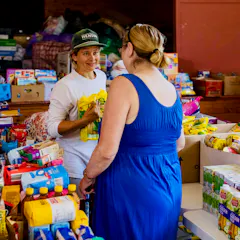
Australia can take great strides forward in climate policy and action. A reactionary, incremental approach to adaptation will fall short. Now is the time to think big.
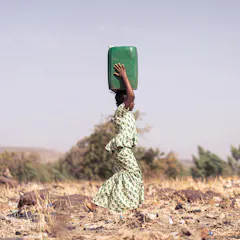
We need to know who gets what, and how money is used once it is allocated.

The utopian 20th-century model of a modern city – one that has been replicated around the world – is being exposed as unsuitable for adapting to the pace of change in the 21st century.
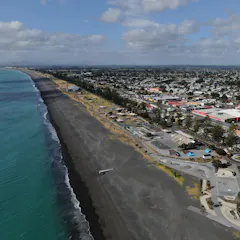
New Zealand is replacing its once groundbreaking environmental legislation with new laws, one of which focuses on climate change adaptation and will include a fund to enable managed retreat.
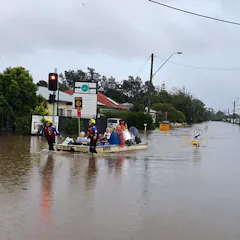
Today’s risks will be tomorrow’s normal. That means tough decisions have to be made about human settlements having to retreat from areas most at risk, whether from floods or bushfires.

The unprecedented intensity of two summers of bushfires, first in the east and then in the west, offered harsh lessons for Australians. One is that some settlements must retreat from high-risk areas.
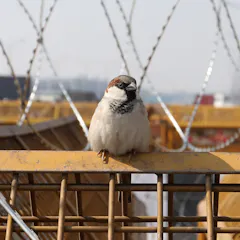
Nearly 700 species of flightless mammal could be barred entry to cooler habitats due to national borders by 2070.
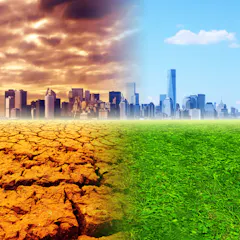
The built environment plays a pivotal role in lowering residents’ exposure to climate change driven risks.
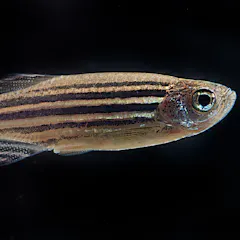
Species can evolve to tolerate higher temperatures – but there’s a ceiling beyond which adaptation isn’t possible.

Climate change is a true existential threat for small island nations, but the US has done little to help the Marshall Islands, which it administered for decades.
Top contributors
-

Honorary Associate Professor, Australian National University
-
Associate Professor of Climate Adaptation, University of Tasmania
-
Associate Professor in Climate Adaptation, Griffith University
-
Director of African Climate and Development Initiative, Professor in Environmental and Geographical Science, University of Cape Town
-
Director, ANU Institute for Climate, Energy & Disaster Solutions, Australian National University
-
Emeritus Professor of Urban & Regional Planning, University of Canberra
-
Professor of Law, The University of Melbourne
-
Professor of Climate Change Adaptation, La Trobe University
-
Senior research officer: Climate Adaptation in the African Climate and Development Initiative (ACDI), University of Cape Town
-
Senior Lecturer, Department of Tourism, Sport and Society, Lincoln University, New Zealand
-
Chief Research Scientist - Environment, CSIRO
-
Professor in Conservation Science, School of the Environment, The University of Queensland
-
Professor of Pyrogeography and Fire Science, University of Tasmania
-
Professor of Ecology, Evolution, and Behavior; Director, Institute on the Environment, University of Minnesota
-
ICLEI Professor of Practice - Local Government Climate Resilience, La Trobe University