
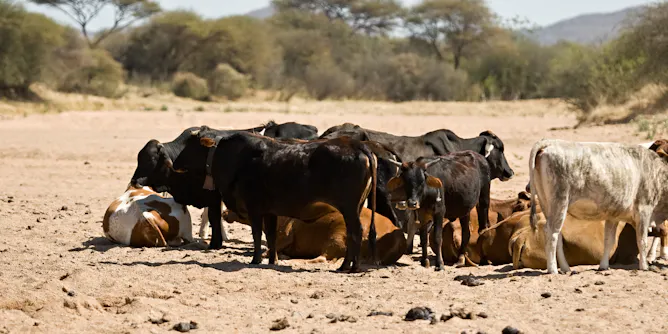
Drought is a massive problem for southern Africa. The region requires adaptation and mitigation strategies if it’s to cope with the changing climate.
Articles on Climate change adaptation
Displaying 221 - 240 of 326 articles

Study shows the footprint of climate change is already vast and that species are trying to adapt to rising temperatures.
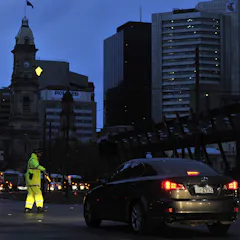
While South Australia’s storm hasn’t yet been specifically linked to climate change, it’s a reminder of the challenge of delivering essential services in a more variable climate.

Lee: ‘Business will be far from usual in a world of four, five or six degrees of warming.’
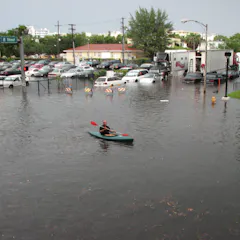
With little state and federal leadership, regional planners in southern Florida try to prepare for the effects of climate change.
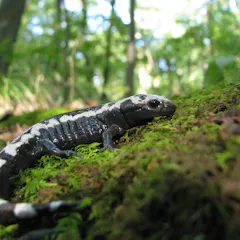
Animals and plants will need escape hatches to move to cooler climes as the planet warms, but few parts of the U.S. have the natural habitat available for these migrations.

In Australia, a small but growing cadre of residents is experimenting with hacktivism in planning. Giving a voice to real people living in everyday places can help ensure planning meets public needs.
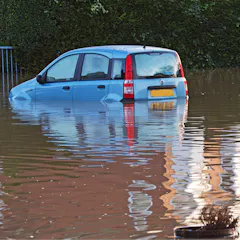
‘Adaptation’ will help deal with the next decade or two of global warming. But what about key energy or transport links that are expected to last a century?
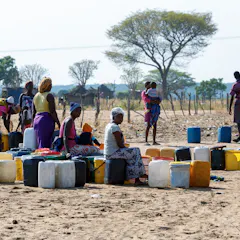
Understanding how drought is impacting on livelihoods and local governments can help in the development of longer term climate adaptation responses.

Making expanded fossil fuel production the core of U.S. energy policy, as proposed by Donald Trump, and backing out of climate agreements would cost the U.S. economy billions and transform the planet.
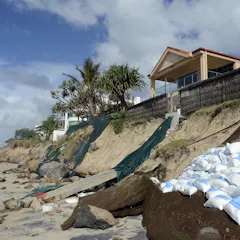
Many properties are at risk from rising sea levels, with owners and councils at odds over the costs of defending these. NSW law reform may lead to more forward-looking climate change adaptation.
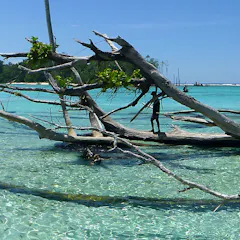
Sea levels are rising faster in the Solomon Islands – and send a warning for the rest of the world.
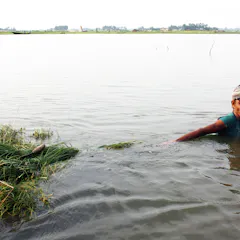
Despite the fanfare of signing the Paris Agreement on climate, little progress has been made on compensating poor countries for irreparable damages from climate change.
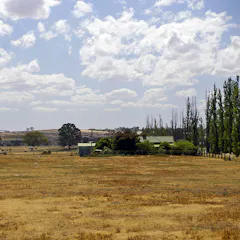
Forecasting drought should be about more than weather – to help those likely to be hit hardest, we need financial and even health data too.

Building on local experience and having access to current and expected climate trends is crucial to adapting to climate change for farmers in semi-arid regions.
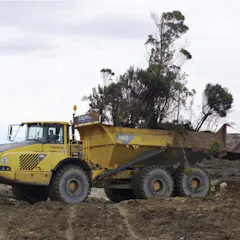
Animals and plants may not be able to keep up with the speed of climate change. We could help them move.
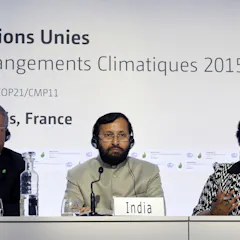
The Paris Agreement marks an important step towards climate change mitigation – one in which developed and developing countries alike take action.
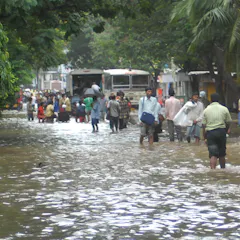
Poorer cities are spending less on dealing with the consequences of global warming, even relative to their wealth.
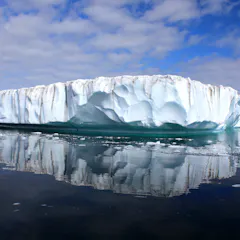
The Paris agreement has given us some solid targets to aim for in terms of limiting global warming. But that in turn begs a whole range of new scientific questions.
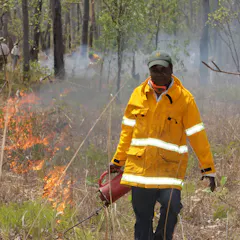
Every year homes are lost in bushfires. But what if we build our houses to withstand fire?
Top contributors
-

Honorary Associate Professor, Australian National University
-
Associate Professor of Climate Adaptation, University of Tasmania
-
Associate Professor in Climate Adaptation, Griffith University
-
Director of African Climate and Development Initiative, Professor in Environmental and Geographical Science, University of Cape Town
-
Director, ANU Institute for Climate, Energy & Disaster Solutions, Australian National University
-
Emeritus Professor of Urban & Regional Planning, University of Canberra
-
Professor of Law, The University of Melbourne
-
Professor of Climate Change Adaptation, La Trobe University
-
Senior research officer: Climate Adaptation in the African Climate and Development Initiative (ACDI), University of Cape Town
-
Senior Lecturer, Department of Tourism, Sport and Society, Lincoln University, New Zealand
-
Chief Research Scientist - Environment, CSIRO
-
Professor in Conservation Science, School of the Environment, The University of Queensland
-
Professor of Pyrogeography and Fire Science, University of Tasmania
-
Professor of Ecology, Evolution, and Behavior; Director, Institute on the Environment, University of Minnesota
-
ICLEI Professor of Practice - Local Government Climate Resilience, La Trobe University