
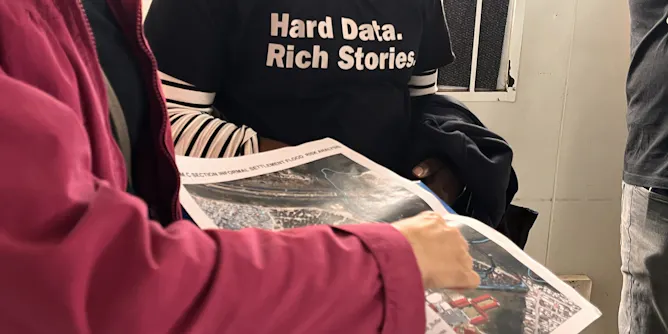
Climate adaptation funders want projects ready to launch. But new research shows why communities must help design climate solutions if the projects are to last.
Articles on Climate crisis
Displaying 1 - 20 of 361 articles
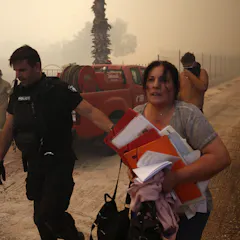
Evacuations are often presented as purely protective – and sometimes they are. But they can also exacerbate existing risks and even generate new forms of harm.
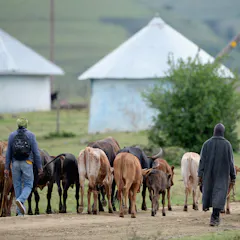
Smallholder farmers have time to set up shared shady areas with water and feed for livestock that might die in the Super El Niño – if they get support now.
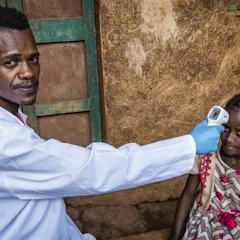
Super El Niño could make extreme heat deadlier in parts of Africa. Governments can save lives by preparing hospitals and protecting outdoor workers now.
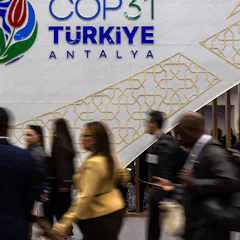
The whole point of this summit is to address climate change. Why are fossil fuel cheerleaders still allowed in the door?
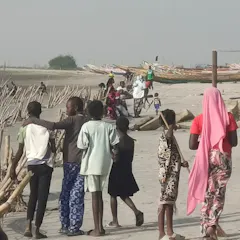
The Fund for Responding to Loss and Damage is meant for ‘particularly vulnerable’ countries. The definition decides who is supported and who is left out in Africa.
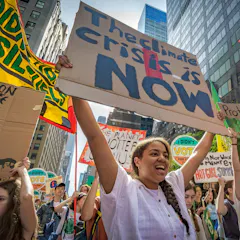
Phrases like ‘climate crisis,’ ‘climate emergency’ or ‘climate justice’ used at COP31 might seem to escalate urgency, but a large survey shows they don’t help and may actually hurt.
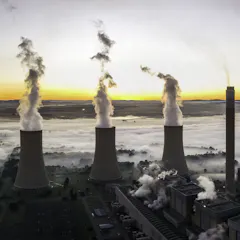
As COP31 approaches, South Africa must enforce its climate laws, reduce coal dependence and protect workers and communities who rely on coal to survive.
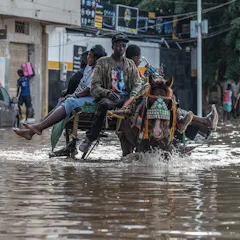
West Africa’s climate plans count physical damage but often overlook the cost of lost heritage and the community ties that disasters tear apart.
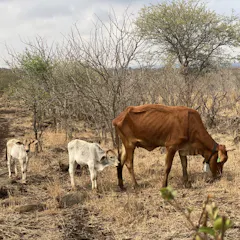
Drought is likely to reduce the total number of livestock southern Africa can support, and increase inequality among pastoralists.
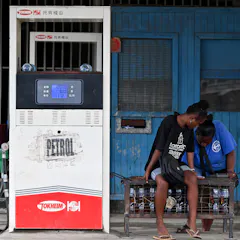
Electricity in the Pacific is currently among the least reliable and most expensive in the world. Switching to renewables offers huge benefits.
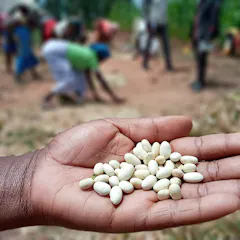
A super El Niño could spell disaster for southern Africa’s bean farmers. Better seeds, water storage and early warnings could help protect the next harvest.
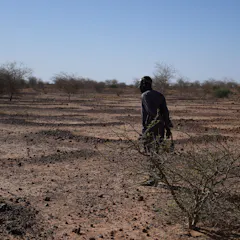
The super El Niño could cause 31,400 extra heat deaths in Nigeria alone. Heat warnings, cooling centres and worker protections could help save lives.
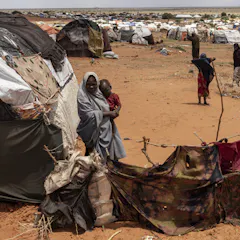
African countries are now crafting the first continent-wide framework to tackle how climate disasters can worsen hunger, displacement and conflict.
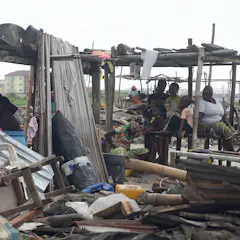
Residents whose homes cluster along waterways, canals and shorelines have built organised systems for living with climate change.

People restoring Africa’s ecosystems need climate services that combine forecasts with Indigenous knowledge and information about land, water and livelihoods.
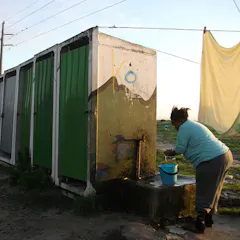
South Africa’s water law promises fairness, but ageing infrastructure, weak governance and unequal power leave many without reliable water.
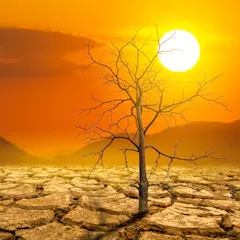
The world is likely to pass 1.5°C of warming. Africa faces worse heat, drought and floods, but faster cuts to emissions can still limit the overshoot damage.
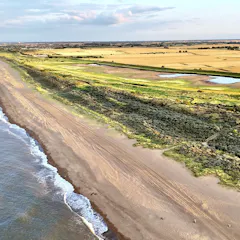
The places most exposed to saltwater flooding, especially the low-lying Fenlands, are also some of the most productive farmland in the UK.

Climate finance should not be separated from development funding.
Top contributors
-

Research Fellow, The ARC Centre of Excellence for the Weather of the 21st Century, Australian National University
-
Professor of Earth System Science, UCL
-
Principal Lecturer in Psychology, University of Brighton
-
Environment + Energy Editor and Host of the Climate Fight podcast series, The Conversation
-
Senior research officer: Climate Adaptation in the African Climate and Development Initiative (ACDI), University of Cape Town
-
Senior Research Scientist, Physical Geography and Ecosystem Science, Lund University
-
Professor of Law, University College Cork; Independent Social Research Foundation
-
Gender and Migration Scientist; Regional Lead for Southern Africa in the CGIAR FOCUS Climate Security Team, CGIAR
-
Director of African Climate and Development Initiative, Professor in Environmental and Geographical Science, University of Cape Town
-
Lecturer in Asia-Pacific Studies, University of Lancashire
-
Visiting professor, Harvard University
-
Senior Research Associate, University of Oxford
-
Lecturer in Sustainability, University of Manchester
-
Research Fellow, International Food Policy Research Institute (IFPRI)
-
Senior Research Fellow and Associate Professor, Melbourne Climate Futures initiative, The University of Melbourne