
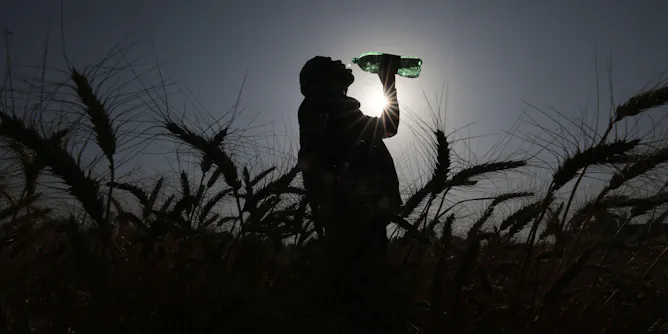
The current heatwave isn’t even a huge outlier compared to normal temperatures.
Articles on Climate change adaptation
Displaying 121 - 140 of 326 articles
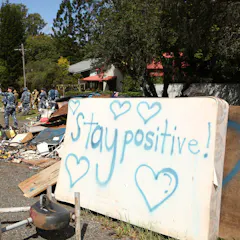
How can we, personally, prepare for a future with not only more frequent natural disasters, but one that will also profoundly change the environment, communities and the economy?
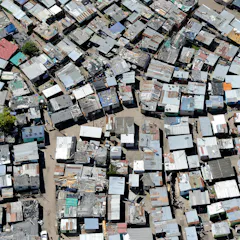
The UN estimates one in four city dwellers live without access to basic services or adequate housing.
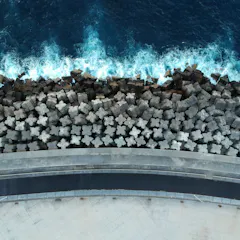
New breakwater designs and more sustainable materials can cut the carbon cost of coastal defences by 40%.
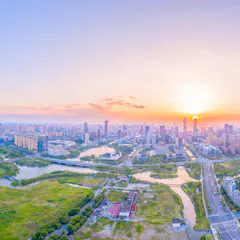
Flood threatened settlements must get everyone involved in an effort to become truly resilient cities.
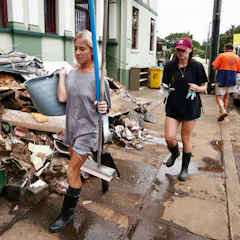
Simply providing passive information is not enough. Governments must find better ways to deliver important messages about natural hazards.

Disasters are becoming more frequent and severe as the climate heats up – but Australia is badly under-prepared.
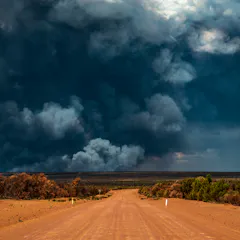
Three of the report’s 270 authors highlight some key findings.
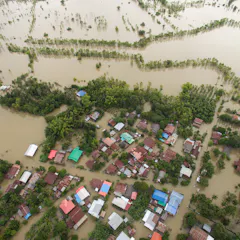
Plus, a section of a rocket is about to crash on the Moon. What scientists hope to learn from it. Listen to The Conversation Weekly podcast.
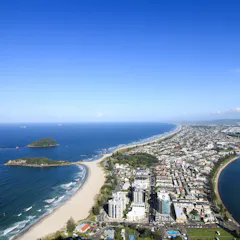
Globally, about a billion people living in coastal cities are at risk of climate hazards. The impacts go well beyond the coast and could affect us all, with disruptions to supply chains and trade.
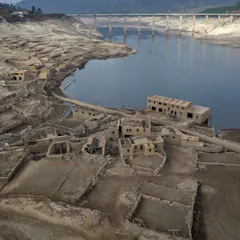
Water is central to adapting to climate change, but very few of the strategies put in place to respond to water hazards or ensure its availability have been evaluated.
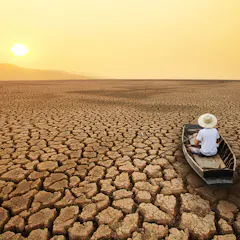
Decades of research shows disasters are caused human vulnerabilities rather than the climate itself.
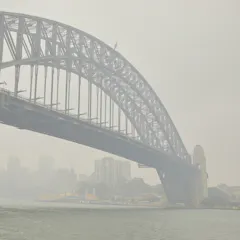
We are no longer in typical conditions. Climate change is already damaging human and natural systems we hold dear in Australia.
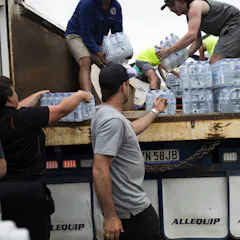
Disaster-affected communities form the backbone of any disaster response. But survivors are often underutilised in shaping plans for their community’s longer-term recovery and preparedness efforts.

Forests around the world will need to shift their ranges to adapt to climate change. But many trees and plants rely on animals to spread their seeds widely, and those partners are declining.
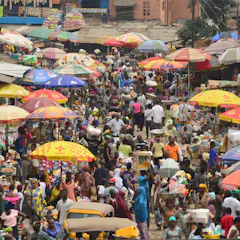
The African continent stands to lose the most from climate change - here’s what local governments can do to protect it.
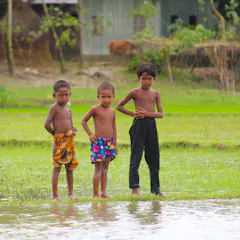
Two Bangladeshi academics spoke to delegates at the Glasgow COP.
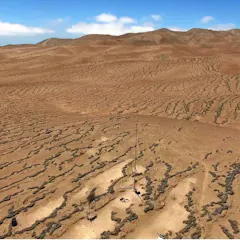
This hardy desert plant lives in the hostile Atacama Desert in Chile by sucking moisture out of passing fog. As water resources become ever more scarce, humans could follow suit.
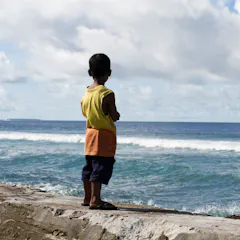
Loss and damage – the three words which define the Glasgow summit’s disappointing outcome.
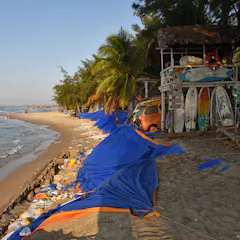
A report found the amount of funding needed to adapt to climate change exceeds what has so far been delivered by 80%.
Top contributors
-

Honorary Associate Professor, Australian National University
-
Associate Professor of Climate Adaptation, University of Tasmania
-
Associate Professor in Climate Adaptation, Griffith University
-
Director of African Climate and Development Initiative, Professor in Environmental and Geographical Science, University of Cape Town
-
Director, ANU Institute for Climate, Energy & Disaster Solutions, Australian National University
-
Emeritus Professor of Urban & Regional Planning, University of Canberra
-
Professor of Law, The University of Melbourne
-
Professor of Climate Change Adaptation, La Trobe University
-
Senior research officer: Climate Adaptation in the African Climate and Development Initiative (ACDI), University of Cape Town
-
Senior Lecturer, Department of Tourism, Sport and Society, Lincoln University, New Zealand
-
Chief Research Scientist - Environment, CSIRO
-
Professor in Conservation Science, School of the Environment, The University of Queensland
-
Professor of Pyrogeography and Fire Science, University of Tasmania
-
Professor of Ecology, Evolution, and Behavior; Director, Institute on the Environment, University of Minnesota
-
ICLEI Professor of Practice - Local Government Climate Resilience, La Trobe University