

Around 38% of these costs can be attributed to climate change – new study.
Articles on Climate change adaptation
Displaying 81 - 100 of 326 articles
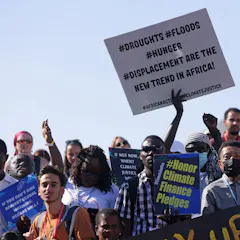
African countries need to unite and negotiate strongly at COP29 for more climate change adaptation grants and fewer loans that only leave the continent paying back debt.
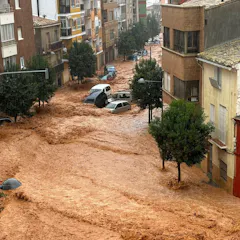
Heavy storms used to hit Spain every 3-4 years. Now they happen all the time, and they’re getting much worse.
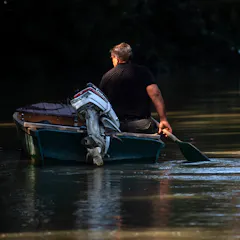
The UK is deciding who has ultimate responsibility for infrastructure weathering a harsher climate.
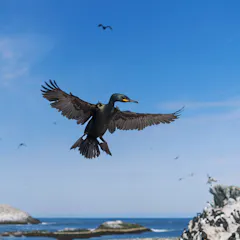
As global temperatures rise, cormorants are having to adapt by migrating more often. Could this change be passed down through their genes?

With the climate heating up rapidly, African cities must green every space to cool down and absorb more rain water, minimising floods. Nature-based solutions can make a huge difference.
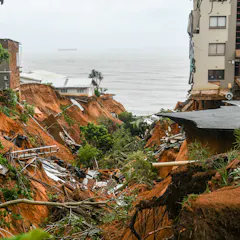
South Africa’s game reserves, tourist parks, chalets and ocean activities are being disrupted by extreme weather. To protect livelihoods, urban planning needs to adapt to climate change fast.
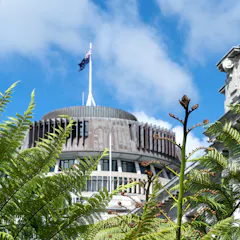
New research has mapped public submissions to the National Adaptation Plan. With a cross-party inquiry getting under way, four imagined futures are emerging that present a way forward.
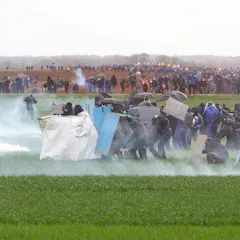
Protests against massive water reservoirs and new skiing infrastructure are some of the events in 2023 that have thrust climate adaptation politics into the limelight. Here’s why it matters.

As the sea rises and storms get stronger, movable flood barriers are going to be used more often.

Regular floods are washing away parts of KwaZulu-Natal faster than they can be rebuilt.
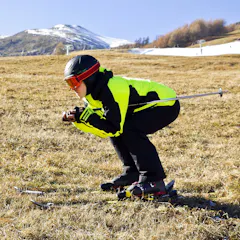
Skiing is central to the economy of many mountain regions across Europe. How are they coping with climate change and what room for adaptation do they have?
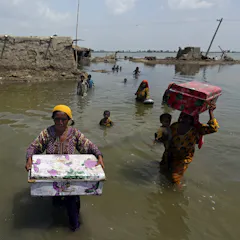
Through the Loss and Damage Fund, developed states and major emitters will compensate developing countries experiencing the most devastating effects of climate change. The fund is now operational.
New emissions projections bode well for Australia’s climate efforts – but our fossil fuel exports continue apace.
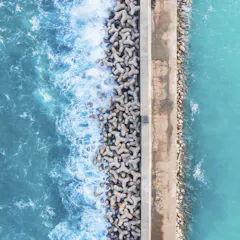
Preliminary findings show that managed retreat, structural flood protection and climate-resilient development projects are most at risk of maladaptation.

A new study of Florida’s fiscal vulnerability to climate change finds that flooding directly threatens many local tax bases.
A new report explores options for managing the period after global warming exceeds 1.5°C. This is called ‘climate overshoot’, because we’re pushing past the safe zone into dangerous climate change.

Further research is needed in order to quantify the costs of extreme heat so we can reduce its damaging effects now and in the future.
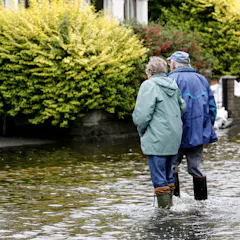
Across the world, elderly people tend to be the most vulnerable to climate-related disasters.
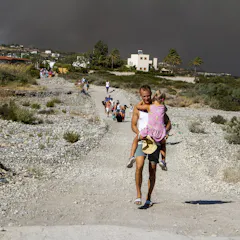
No one plans a European holiday thinking of fleeing from fire or sheltering from intense heat. But the climate crisis is forcing a reckoning – tourism as we knew it will have to change.
Top contributors
-

Honorary Associate Professor, Australian National University
-
Associate Professor of Climate Adaptation, University of Tasmania
-
Associate Professor in Climate Adaptation, Griffith University
-
Director of African Climate and Development Initiative, Professor in Environmental and Geographical Science, University of Cape Town
-
Director, ANU Institute for Climate, Energy & Disaster Solutions, Australian National University
-
Emeritus Professor of Urban & Regional Planning, University of Canberra
-
Professor of Law, The University of Melbourne
-
Professor of Climate Change Adaptation, La Trobe University
-
Senior research officer: Climate Adaptation in the African Climate and Development Initiative (ACDI), University of Cape Town
-
Senior Lecturer, Department of Tourism, Sport and Society, Lincoln University, New Zealand
-
Chief Research Scientist - Environment, CSIRO
-
Professor in Conservation Science, School of the Environment, The University of Queensland
-
Professor of Pyrogeography and Fire Science, University of Tasmania
-
Professor of Ecology, Evolution, and Behavior; Director, Institute on the Environment, University of Minnesota
-
ICLEI Professor of Practice - Local Government Climate Resilience, La Trobe University