
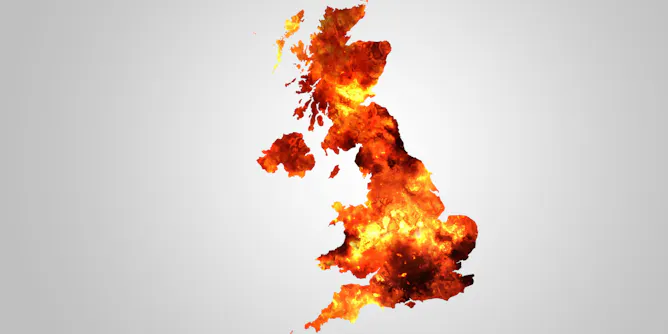
A new climate adaptation plan leaves experts underwhelmed.
Articles on Climate change adaptation
Displaying 101 - 120 of 326 articles
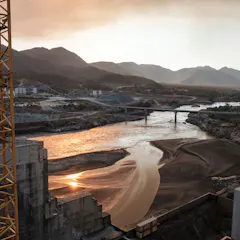
Hundreds of rivers are shared between two or more countries – this could be a source of cooperation or conflict.

Climate change is bringing heightened droughts, heat stress and floods. For our fruit trees, that means tougher conditions. To prepare means mining their genomes to hunt for resilience.
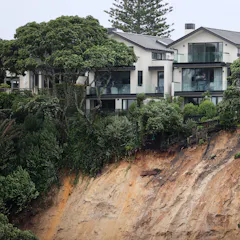
Storms, flooding and other climate-related events highlight the urgent need for a national managed retreat framework. Past experiences suggests it will involve many challenges.

Australian cities remain woefully unprepared for the more extreme weather we are already seeing with climate change. But some cities overseas stand out for having developed readymade solutions.
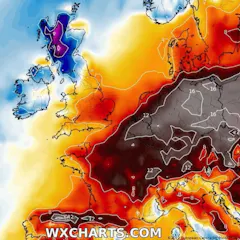
Europe’s recent heatwave was one of the most severe ever.
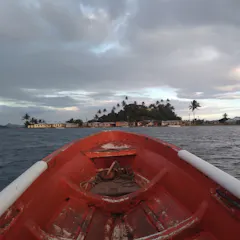
Residents are living with the impacts of climate change and know it’s happening. But leaving their homes would strike at the heart of their identity.
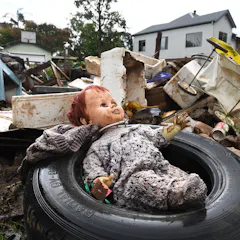
Australia must recognise the complex risks associated with cascading natural disasters, and draw on the knowledge and experience of all citizens.
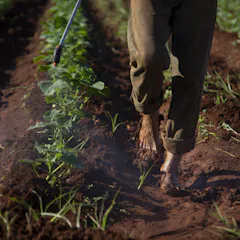
As the costs of disasters climb, working out who will finance climate adaptation has become increasingly urgent for developing nations.
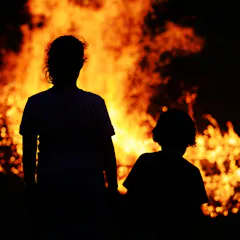
It has psychological consequences for those affected now, but also for those who expect to be in future.
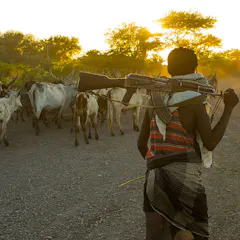
In the absence of peace, efforts to address climate risks will be restrained, ineffective and counterproductive.
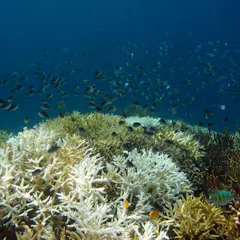
A new biodiversity index captures the climate risk for nearly 25,000 marine species and their ecosystems and lays the groundwork for climate-smart approaches to management and conservation.

The research reviewed the available evidence on microalgae as food supplements, livestock feeds, biofertilisers, biostimulants and biochar feedstocks.
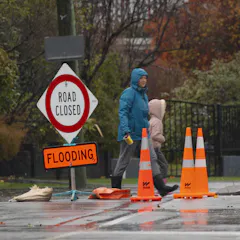
New Zealand’s first adaptation plan gives local councils clearer guidelines, but it doesn’t tackle crucial questions about who should pay and how to future-proof major investments.
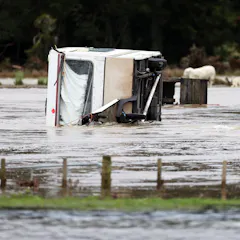
The people hardest hit by climate change are invariably those who are more vulnerable. We need to pay more attention to the root causes of vulnerability and address poverty and inequity.

Adapt to climate change with insulated walls, window shutters and reverse-cycle heat pumps.
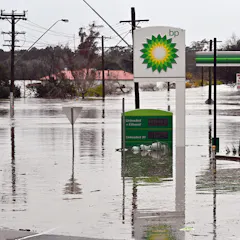
Property buybacks and managed retreat from high-risk areas were once seen as far-off options as the planet warms. Now this ‘last resort’ adaptation to climate change is an urgent priority worldwide.
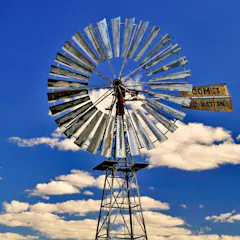
The Nationals have long promoted coal for regional development and politics. But new leader David Littleproud could seize the moment and refocus the regional party.
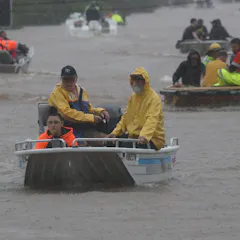
We can’t let communities face climate change alone. We must get better at adapting to the new climate, and do it before disasters not during.
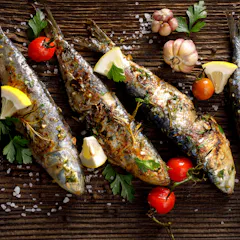
As the ocean temperature rises, many marine species are moving toward the north and south poles in search of cooler waters, thus rewriting the menus of seafood restaurants on the West Coast of Canada.
Top contributors
-

Honorary Associate Professor, Australian National University
-
Associate Professor of Climate Adaptation, University of Tasmania
-
Associate Professor in Climate Adaptation, Griffith University
-
Director of African Climate and Development Initiative, Professor in Environmental and Geographical Science, University of Cape Town
-
Director, ANU Institute for Climate, Energy & Disaster Solutions, Australian National University
-
Emeritus Professor of Urban & Regional Planning, University of Canberra
-
Professor of Law, The University of Melbourne
-
Professor of Climate Change Adaptation, La Trobe University
-
Senior research officer: Climate Adaptation in the African Climate and Development Initiative (ACDI), University of Cape Town
-
Senior Lecturer, Department of Tourism, Sport and Society, Lincoln University, New Zealand
-
Chief Research Scientist - Environment, CSIRO
-
Professor in Conservation Science, School of the Environment, The University of Queensland
-
Professor of Pyrogeography and Fire Science, University of Tasmania
-
Professor of Ecology, Evolution, and Behavior; Director, Institute on the Environment, University of Minnesota
-
ICLEI Professor of Practice - Local Government Climate Resilience, La Trobe University