
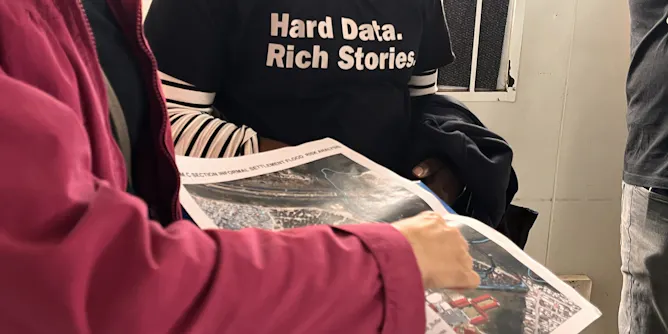
Climate adaptation funders want projects ready to launch. But new research shows why communities must help design climate solutions if the projects are to last.
Articles on Climate change adaptation
Displaying 1 - 20 of 326 articles
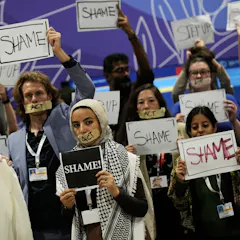
The final proposal agreement at COP31 omitted any mention of fossil fuels. The European Union and small island states were right to reject it.
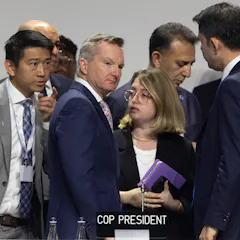
Division over fossil fuels at this year’s UN climate summit scotched any hope of a deal – despite Australian efforts.
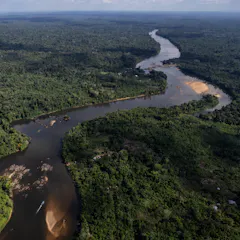
Twenty years of carbon markets on farms and in forests suggest that money alone isn’t enough. Without credible projects on the ground, money for climate adaptation will struggle to make a difference.

Artificial intelligence is attracting attention for its potential to deepen our understanding of climate risks and inform our responses.

Adapting to a changing climate will require greater co-operation and co-ordination across various orders of government.
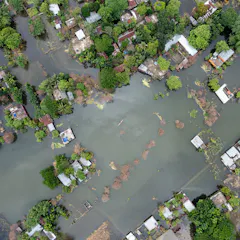
It’s increasingly common to hear climate-fuelled disasters described as the ‘new normal’. But our desire for normality and predictability is wishful thinking
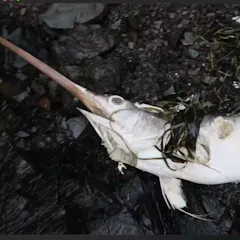
While this sighting is unusual and exciting, it also serves as a reminder that our oceans are rapidly changing and we need to adapt to these changes.
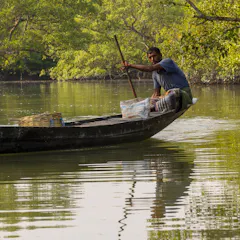
Beyond the monetary value of carbon credits sits something more complex: every restoration project involves trade-offs, and somebody carries them.
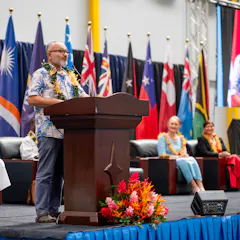
Pacific leaders are seeking support for regional climate-finance options that give communities better access and stronger input into global decision making.
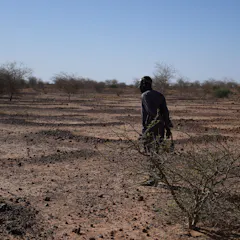
The super El Niño could cause 31,400 extra heat deaths in Nigeria alone. Heat warnings, cooling centres and worker protections could help save lives.
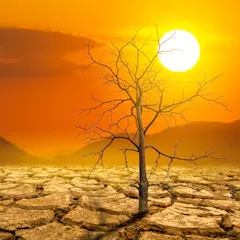
The world is likely to pass 1.5°C of warming. Africa faces worse heat, drought and floods, but faster cuts to emissions can still limit the overshoot damage.
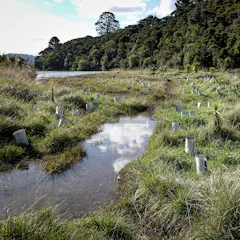
For nature-based climate adaptation, better data is only one part of the full system required to determine where to act, who decides and how action will be funded.
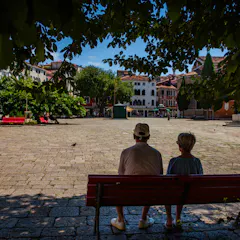
From floodlit beaches to late-night libraries, city life has to change to beat the heat.
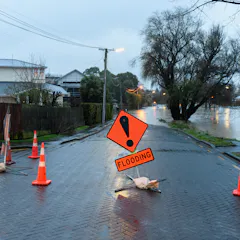
Only 3% of spending on natural hazards focuses on reducing risk, allowing governments to shift liability but leaving communities unprepared.
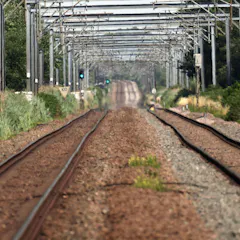
Heatwaves can cause tracks to buckle, forcing speed restrictions or closures. An engineering expert explains how railways can adapt to a hotter climate.
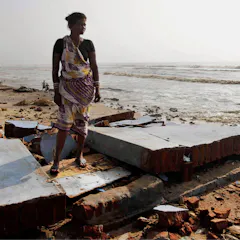
Researchers spoke to relocated people in India and Bangladesh to find out what worked.
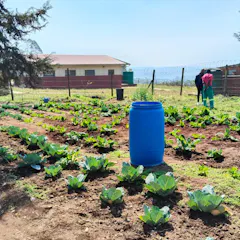
In a rural South African village, climate action is influenced by ubuntu: the belief that people are connected and have a responsibility to one another.

Wildfire, drought and heat have made climate change impossible to avoid this northern summer. But will authorities tackle the cause – or the symptoms?
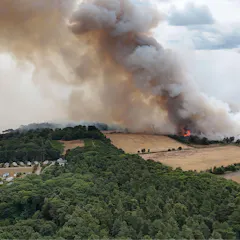
The most effective wildfire risk reduction happens long before the first 999 call.
Top contributors
-

Honorary Associate Professor, Australian National University
-
Associate Professor of Climate Adaptation, University of Tasmania
-
Associate Professor in Climate Adaptation, Griffith University
-
Director of African Climate and Development Initiative, Professor in Environmental and Geographical Science, University of Cape Town
-
Director, ANU Institute for Climate, Energy & Disaster Solutions, Australian National University
-
Emeritus Professor of Urban & Regional Planning, University of Canberra
-
Professor of Law, The University of Melbourne
-
Professor of Climate Change Adaptation, La Trobe University
-
Senior research officer: Climate Adaptation in the African Climate and Development Initiative (ACDI), University of Cape Town
-
Senior Lecturer, Department of Tourism, Sport and Society, Lincoln University, New Zealand
-
Chief Research Scientist - Environment, CSIRO
-
Professor in Conservation Science, School of the Environment, The University of Queensland
-
Professor of Pyrogeography and Fire Science, University of Tasmania
-
Professor of Ecology, Evolution, and Behavior; Director, Institute on the Environment, University of Minnesota
-
ICLEI Professor of Practice - Local Government Climate Resilience, La Trobe University