
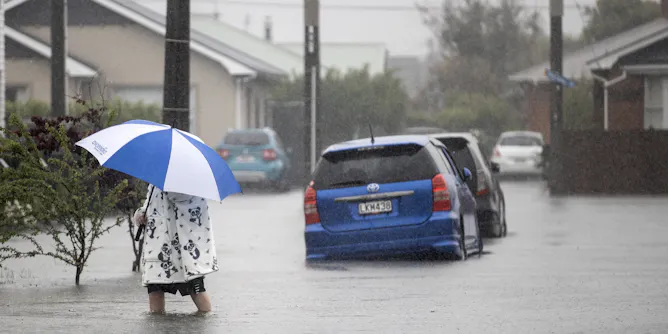
New research shows disabled people remain overlooked in climate policy, despite lived experience that could help build more resilient communities.
Articles on Climate change adaptation
Displaying 21 - 40 of 326 articles
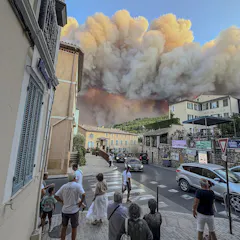
The fires facing Spanish and French firefighters are harder to put out – and much more intense.
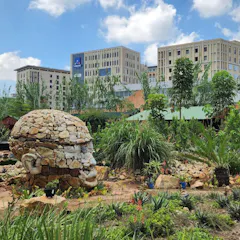
Parks do more than cool cities. They also help people work together to cope with climate change, but only if local communities help design, manage and care for them.
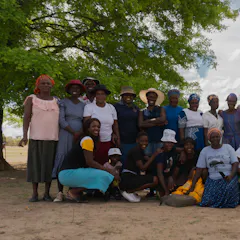
New research shows how women in rural Zimbabwe rebuilt their lives after Cyclone Dineo displaced hundreds of families and swept away their homes.

Factories that process crops and agricultural products need training and support to help them face climate risks.
The hottest days show how poorly prepared our homes and energy systems are for the current climate – and the climate to come.
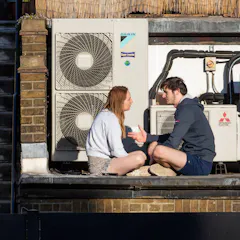
About 4% of UK homes have air conditioning, concentrated in wealthier households.

As the UK gets hotter, children will seek water to cool down. The real question is why so many have so few places to go.

Mauritius is securing climate funding, but weak oversight and poor coordination risk leaving vital adaptation money mismanaged.
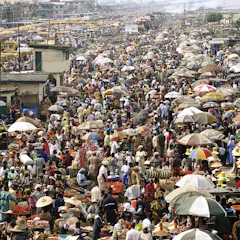
Floods regularly devastate Lagos’s informal workers, but traders and residents have built their own systems to adapt where the state has failed.
Circular economies don’t follow the ‘take, make and dispose’ model but try to keep products in use for as long as possible by reusing and recycling them.
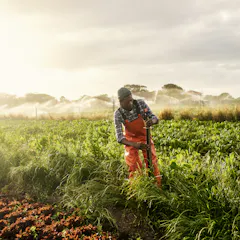
Thousands of hectares of communal land set aside for smallholder farmers’ use in South Africa are lying fallow because of collapsed government irrigation systems.
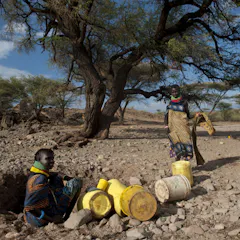
Climate change increases vulnerability to extremist recruitment, while al-Shabaab activity blocks adaptation, reinforcing a cycle of fragility.
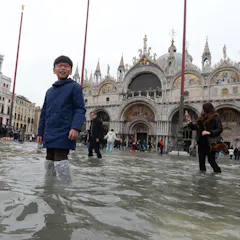
As sea levels rise, Venice’s options are running out. New research shows that even the most ambitious engineering may only delay the inevitable.
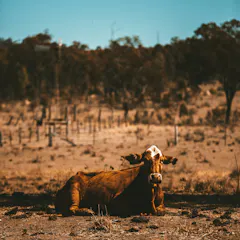
Australia produces enough food for 75 million people. But intensifying heat and natural disasters and competition for water are eroding food security.
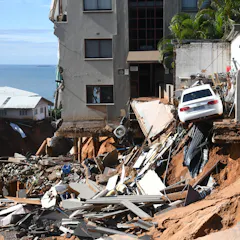
South Africa needs almost US$15 billion over a decade just to reach a basic level of climate adaptation, that protects water, food, health and infrastructure.

Africa holds key green energy minerals but exports them raw. If the continent had its own Green Bank, it could finance local manufacturing and green industry.

What if harsh environments don’t stress animals at all? Research on South Africa’s striped mice shows survival can depend on conserving energy, not fighting back.
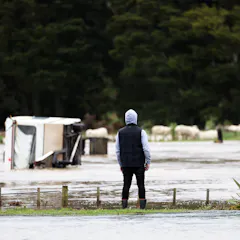
Post-disaster reviews show NZ repeats the same warnings. Breaking the cycle means stronger laws, clearer responsibilities and greater funding.
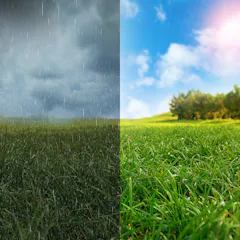
Sharp seasonal swings are happening more often – and they’re a big problem for homes, food and infrastructure.
Top contributors
-

Honorary Associate Professor, Australian National University
-
Associate Professor of Climate Adaptation, University of Tasmania
-
Associate Professor in Climate Adaptation, Griffith University
-
Director of African Climate and Development Initiative, Professor in Environmental and Geographical Science, University of Cape Town
-
Director, ANU Institute for Climate, Energy & Disaster Solutions, Australian National University
-
Emeritus Professor of Urban & Regional Planning, University of Canberra
-
Professor of Law, The University of Melbourne
-
Professor of Climate Change Adaptation, La Trobe University
-
Senior research officer: Climate Adaptation in the African Climate and Development Initiative (ACDI), University of Cape Town
-
Senior Lecturer, Department of Tourism, Sport and Society, Lincoln University, New Zealand
-
Chief Research Scientist - Environment, CSIRO
-
Professor in Conservation Science, School of the Environment, The University of Queensland
-
Professor of Pyrogeography and Fire Science, University of Tasmania
-
Professor of Ecology, Evolution, and Behavior; Director, Institute on the Environment, University of Minnesota
-
ICLEI Professor of Practice - Local Government Climate Resilience, La Trobe University