
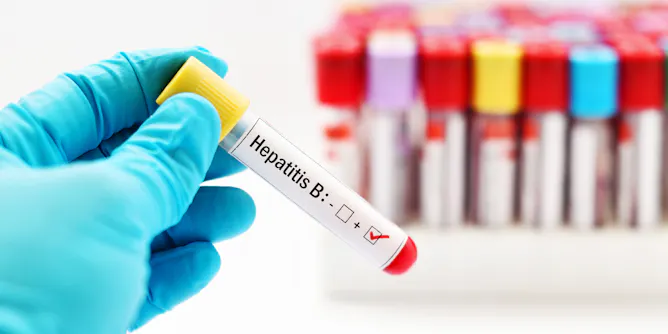
A new analysis shows that the US health care system will save money in the long run by screening people born in Asia and Africa for the hepatitis B virus, which causes liver cancer and cirrhosis.
Articles on World Health Organization (WHO)
Displaying 341 - 360 of 491 articles

Now that gaming addiction is officially recognised, we need to develop strategies to counteract it.

More than 90% of violent crimes in South Africa fall outside the categories named in the police’s new anti-crime strategy.
If your child is keeping their grades up and maintaining friends and hobbies, then their gaming activity is likely not a disorder or addiction.

To meet World Health Organization targets and reduce the rates of chronic hepatitis B infection among children, Canada should implement routine vaccination of all infants at birth.
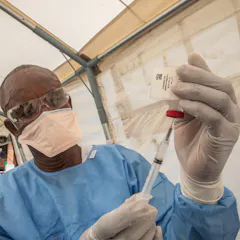
Teams administering the Ebola vaccine in the Democratic Republic of Congo are in a race against time to find and help people exposed.
The World Health Organization has made bold progress by including many tests for non-communicable diseases on its new ‘Essential Diagnostics List.’
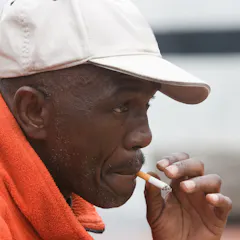
South Africa’s proposed new tobacco laws will tighten the grip on how cigarettes and other tobacco products are sold, marketed and regulated in the country.
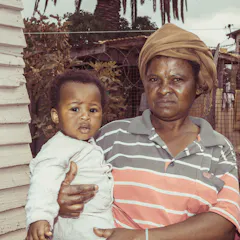
South Africa must ensure that healthcare workers understand the importance of nutrition and that they transfer the correct messages to caregivers.
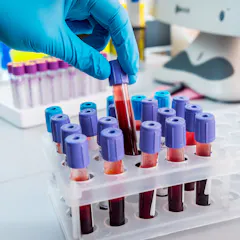
Countries globally should adopt and adapt the World Health Organization’s new Essential Diagnostics List – as a key step in the management of all diseases.
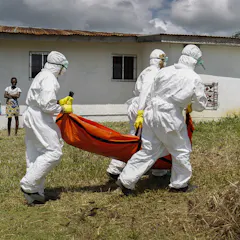
The response to the latest ebola outbreak in the DRC has been rapid, well coordinated and well resourced.

The Daily Mile started in a primary school in central Scotland six years ago. Now it has spread to 3,600 schools in 35 countries.
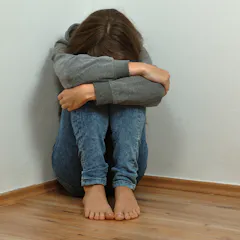
There are no guidelines for healthcare professionals.

The problem of antimicrobial resistance won’t go away as long as people in poor countries don’t have access to clean water.

Governments in Africa have done little to institute policies that improve awareness and protect people who have epilepsy.
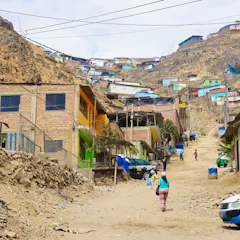
We can’t eradicate TB without also addressing poverty.
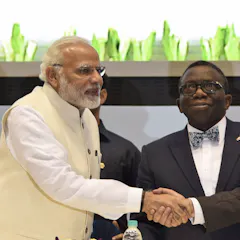
On World TB Day 2018, eradicating TB finally looks like a goal that could be met — if political leaders can step up with cash and actions to match their political declarations.
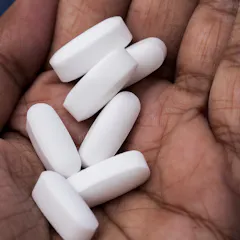
In Uganda, essential medicines are not being stocked at facilities that need them most. This includes drugs to treat chronic diseases.
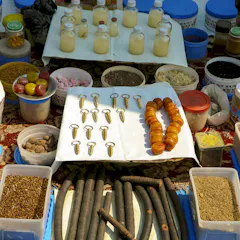
Numerous traditional African medicines are undeniably beneficial in treating disease or maintaining good health.

Remarkable progress is being made on HIV treatment. But African countries need to work on sustainable ways to ensure the treatment programmes are not entirely dependent on foreign aid.
Top contributors
-

Associate professor, University of Sydney
-
Fellow, Nigerian Academy of Science
-
Associate Principal Research Fellow, Burnet Institute
-
Professor of Global Biosecurity, NHMRC L3 Research Fellow, Head, Biosecurity Program, Kirby Institute, UNSW
-
Professorial Fellow, University of Canberra
-
Professor of Sociology, USC Dornsife College of Letters, Arts and Sciences
-
Professor and Tier 1 Canada Research Chair in Global Health Governance; Scientific Co-Director, Bridge Research Consortium, Simon Fraser University
-
Professor of Law, University of Waikato
-
Professor of Public Health, La Trobe University
-
Professor of Global Health and Director, O'Neill Institute, Georgetown University
-
Senior Research Fellow in Global Health, University of Southampton
-
Senior Research Scientist, African Population and Health Research Center
-
Professor, Paediatrics and Child Health, UNSW
-
Director of Koi Tū, the Centre for Informed Futures; former Chief Science Advisor to the Prime Minister of New Zealand, University of Auckland, Waipapa Taumata Rau
-
Canada Research Chair of Epidemiology & Global Health, McGill University