
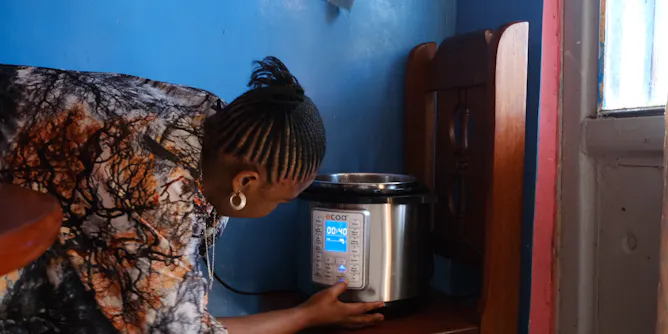
In eastern DRC, a hydropower mini-grid shows how access to electricity happens through public-private partnerships and community programmes.
Articles on Solutions
Displaying 41 - 60 of 144 articles

Carbon capture projects could provide the funds needed to restore land degraded by commercial farming and forestry.
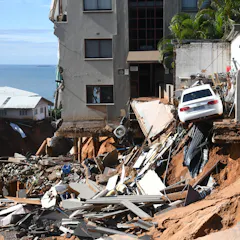
South Africa needs almost US$15 billion over a decade just to reach a basic level of climate adaptation, that protects water, food, health and infrastructure.
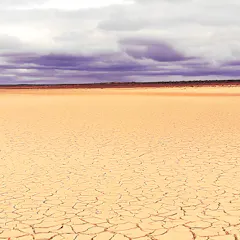
South Africa’s driest regions rely on groundwater, which dries up as the climate warms. Replenishing aquifers with excess rainfall may be a solution.
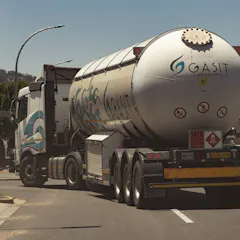
Gas from Mozambique is running out, leaving South African industry facing a supply crisis. Imported propane gas could offer a workable solution.
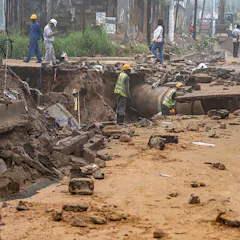
The most important thing to do is to lower the cost of capital for African countries.
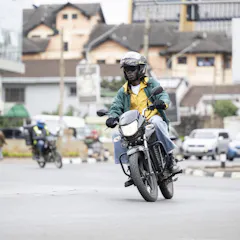
Africa doesn’t need a technological breakthrough to scale EV adoption. It needs cheaper capital and supportive policy environments.
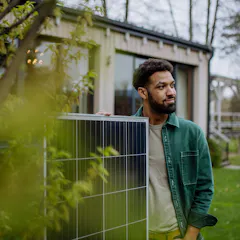
With cement production driving 8% of greenhouse gas emissions, green housing is needed urgently.
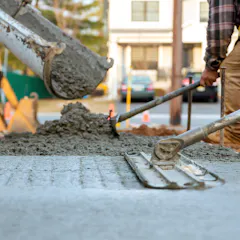
Cement is responsible for about 8% of global greenhouse gas emissions, and demand is growing. Alternatives like geopolymers can help lower the impact.

South African homes need two-way meters so that they can feed extra solar power from home systems and electric vehicles back to the grid.
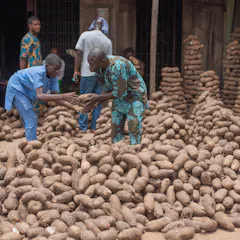
Climate change caused drought and flooding is damaging Nigeria’s staple foods, maize, cassava, millet and yam, smallholder farmers say.
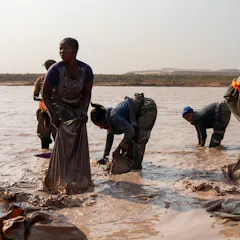
The G20’s new critical minerals framework wants to move Africa beyond raw exports so that mineral wealth creates jobs and growth on the continent.
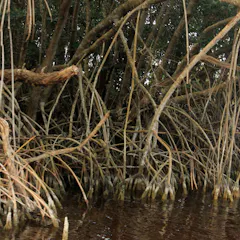
Mangroves offer natural protection against flooding. Without them, communities are left vulnerable.

The G20’s legacy so far has been to preserve capitalist financial systems.
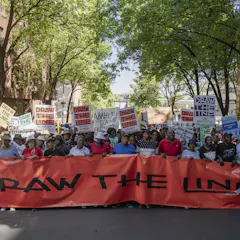
For the first time, countries now have a shared way to understand whether the world is actually improving at adapting to climate impacts.
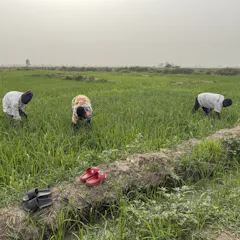
Climate-smart agricultural technologies increase crop sales revenue for farmers in the Sahel region.
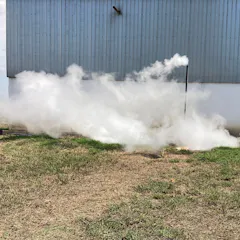
Wastewater heat recovery, which recycles hot water from drains to preheat new water, could cut coal use, lower carbon emissions, and create local jobs in Zambia.
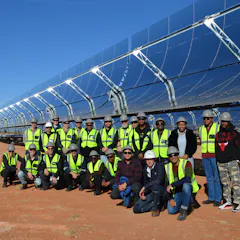
India links new rural power lines to solar projects, providing cleaner energy for farms, while South Africa has ways for communities to benefit from green energy profits.
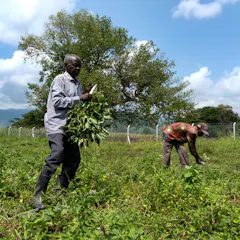
African farmers face rising climate disasters that destroy crops and livestock. The G20 must champion new, affordable tech-based insurance for them.
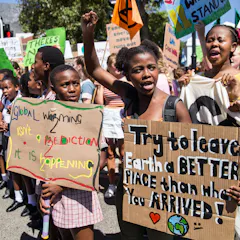
Young people are climate change activists, but largely excluded from global meetings, and aren’t taken seriously when they do get there.
Top contributors
-

Professor of Climate Change, Food Systems and Health and Director of The Lancet Countdown in Africa, London School of Hygiene & Tropical Medicine
-
Senior research officer: Climate Adaptation in the African Climate and Development Initiative (ACDI), University of Cape Town
-
Professor in Mechanical and Mechatronic Engineering, Stellenbosch University
-
Senior Lecturer at Oyo State College of Agriculture and Technology, Igboora, Nigeria and Extraordinary Senior Lecturer at Indigenous Knowledge Systems Centre, North-West University, Mafikeng, South Africa, North-West University
-
Research Scientist: Centre for Global Change, Walter Sisulu University
-
Director of African Climate and Development Initiative, Professor in Environmental and Geographical Science, University of Cape Town
-
Researcher, Centre for Global Change, Walter Sisulu University
-
Professor of Environmental Science, Rhodes University
-
Professor in Engineering, Stellenbosch University
-
Professor and Head of the Department of Geography, Geoinformatics & Meteorology, University of Pretoria
-
Researcher in Environmental Science, Rhodes University
-
Ass. Professor, University of Maryland Eastern Shore; North-West University
-
Lecturer, University of Fort Hare
-
Senior Research Associate, University of Johannesburg
-
Lecturer in the Department of Management, Uganda Management Institute