
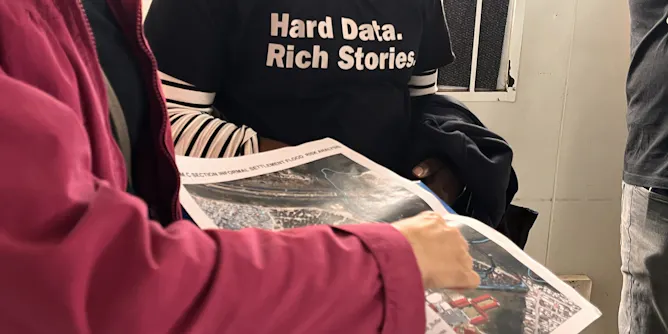
Climate adaptation funders want projects ready to launch. But new research shows why communities must help design climate solutions if the projects are to last.
Articles on ACF2026
Displaying 1 - 20 of 141 articles
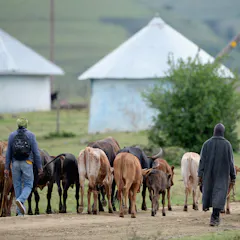
Smallholder farmers have time to set up shared shady areas with water and feed for livestock that might die in the Super El Niño – if they get support now.
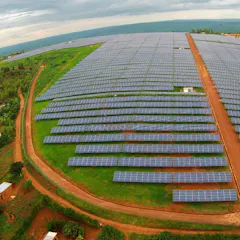
Only 10% of the population had electricity 25 years ago in Rwanda. A mass electrification programme changed everything but came at a steep cost.
The Fund for Responding to Loss and Damage is meant for ‘particularly vulnerable’ countries. The definition decides who is supported and who is left out in Africa.

Timing matters: planting fodder radish in the right months can help South African farmers grow more nutritious livestock feed even without irrigation.
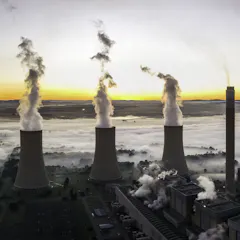
As COP31 approaches, South Africa must enforce its climate laws, reduce coal dependence and protect workers and communities who rely on coal to survive.
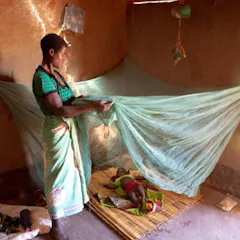
Getting the SADC region back on track is going to take collective action and strong regional collaboration.
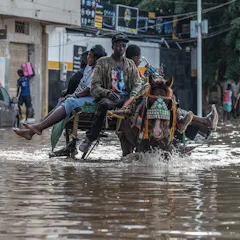
West Africa’s climate plans count physical damage but often overlook the cost of lost heritage and the community ties that disasters tear apart.
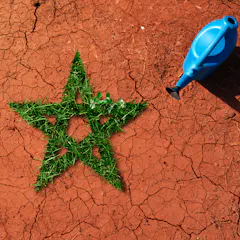
European countries want north Africa to set up green hydrogen industries for them, but this will come at a huge cost to water supplies and coastal areas.
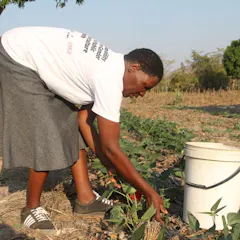
Households with certain assets can diversify into activities that produce higher incomes.
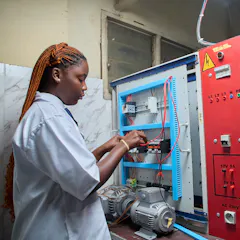
Solar and wind could bring women jobs and businesses in Ghana and South Africa, but governments must overturn inequalities in access to skills, loans and assets.
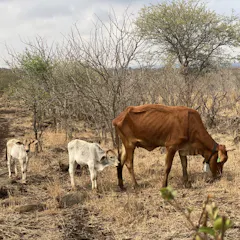
Drought is likely to reduce the total number of livestock southern Africa can support, and increase inequality among pastoralists.
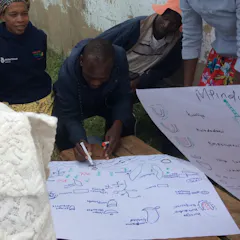
In South Africa, a remote coastal community has used counter-maps to document wetlands and sacred sites, showing what mining and a toll road threaten to destroy.
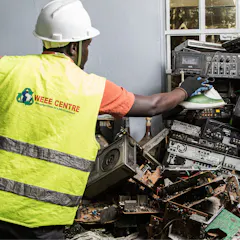
Africa’s circular economy is already at work in repair shops and scrap yards. Backing the people who keep goods in use could cut waste and create better jobs.
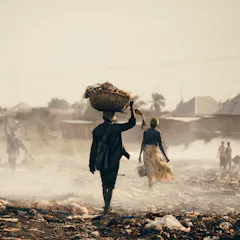
African countries could save billions, prevent deaths and slow climate change by cutting air pollution.
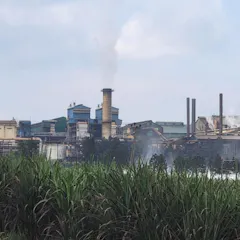
Women in Uganda’s sugarcane-growing Busoga region must feed their families but have little control over land or income. Fairer contracts could help change this.
A staggering 67.5% of respondents relied on maladaptive coping strategies.
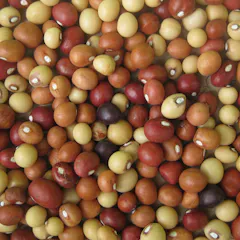
Using daily weather instead of seasonal averages, researchers mapped where and when to plant bambara groundnut in Eswatini and South Africa.
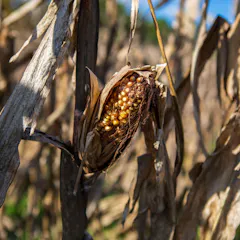
The super El Niño could push up South African maize prices, but large grain stocks will help limit price rises.
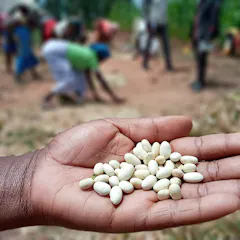
A super El Niño could spell disaster for southern Africa’s bean farmers. Better seeds, water storage and early warnings could help protect the next harvest.
Top contributors
-

Professor of Climate Change, Food Systems and Health and Director of The Lancet Countdown in Africa, London School of Hygiene & Tropical Medicine
-
Director of African Climate and Development Initiative, Professor in Environmental and Geographical Science, University of Cape Town
-
Director of the Global Environmental Law Centre; Associate Professor Department of Public Law & Jurisprudence, University of the Western Cape
-
Research Fellow, The ARC Centre of Excellence for the Weather of the 21st Century, Australian National University
-
Visiting Adjunct Professor, African Energy Leadership Centre, Wits Business School, University of the Witwatersrand
-
Lecturer in the Department of Public Law, University of Venda
-
Senior Researcher, University of Cape Town
-
Director, Columbia Center on Sustainable Investment, Columbia University
-
Senior Researcher, Associate Professor: Economic Management Sciences, University of Pretoria
-
Professor, Department of Geography, University of KwaZulu-Natal
-
Chief Specialist Scientist (Public Health), South African Medical Research Council
-
Research Scientist: Centre for Global Change, Walter Sisulu University
-
Professor in Mechanical and Mechatronic Engineering, Stellenbosch University
-
Researcher in Renewable Energy, University of Cape Town
-
Associate Professor in the Centre for Environmental Management, University of the Free State