

A historian traces how Oil City brokers, then John D. Rockefeller, then futures exchanges decided what the world pays for crude – and why no one entity does today.
Articles on Energy
Displaying 1 - 20 of 1170 articles
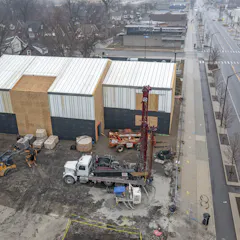
Rocks deep underground can be used to hold heat until it’s needed.
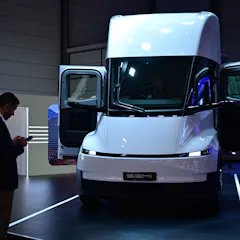
Smaller electric trucks are already on Australian city streets. As battery prices fall, bigger trucks will become viable – especially if there’s no driver.
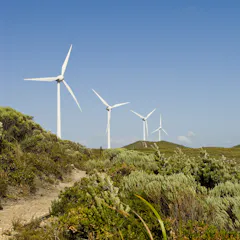
Solar and batteries are powering ahead – but wind farms are struggling. There are multiple reasons for this, from politics to construction costs.
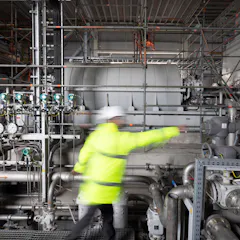
As ageing coal plants head for retirement, authorities are turning to a century-old technology to stabilise the grid.

Pennsylvania has a split legislature, and both chambers are up for grabs in the 2026 midterms.
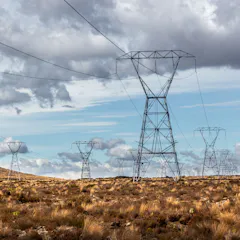
Splitting up NZ’s big gentailers promises more competition and lower power bills. But the economics of separating generation and retail are more complicated.
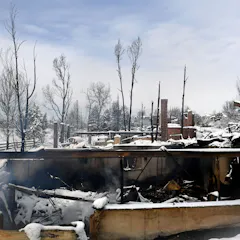
If fossil fuel companies misled the public about the dangers of their products, should they be required to pay for damages from climate-related disasters?

Programs like ‘Big Little Reno’ aim to help people make their houses more energy efficient.

As hundreds of thousands more EVs hit Australian roads, is our charging infrastructure up to scratch?
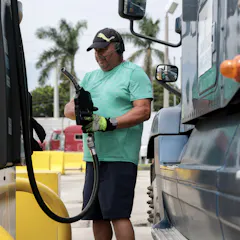
Any work to ease current shortages and price hikes while the Strait of Hormuz remains closed will take years and billions of dollars.
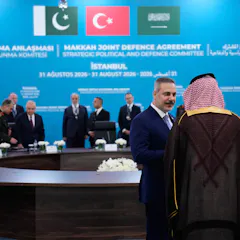
The pact with Turkey and Pakistan has evolved quickly from a vague political commitment. Riyadh hopes it will help it navigate a thorny Middle East crisis.

Diets like the Fast 800 or intermittent fasting have become popular ways to lose weight. But they’re not long-term solutions.

For decades, we couldn’t trace the link between new fossil fuel projects and their damage to people and planet. But now we can.
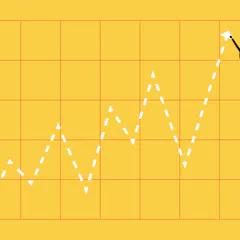
Seven months into the US conflict with Iran, with no clear end in sight, the global oil market has now largely exhausted the safety measures that exist to keep a lid on petroleum prices.

These mobile power systems could be a lifeline for remote, island and disaster-prone places.
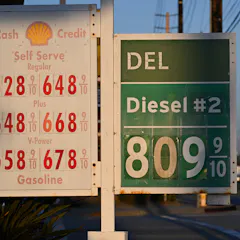
It’s a bid to alleviate cost-of-living pressures in the US and claw back Trump’s voter base.

There’s not much diesel fuel lying around, and lots of people want to buy what is available, as well as what little is produced each day. It’s all a matter of supply and demand.
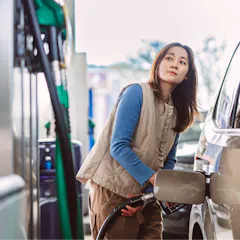
Households might get relief on fuel they would have bought anyway, but cheaper petrol could encourage them to use more.

Keeping aging coal plants open, building new gas plants and choices about pollution controls affect electricity bills. Pollution adds health costs and climate damage that may not appear on those bills.
Top contributors
-

Professorial Fellow, University of Canberra
-
Senior Fellow in Energy and Climate Change, Grattan Institute
-
Professor and Director, Victoria Energy Policy Centre, Victoria University
-
Professor of Transport Technology and Sustainability, Swinburne University of Technology
-
Professor of Law, Deakin University
-
Professor, School of Economics, The University of Queensland
-
Senior Industry Fellow, Environment and Planning, RMIT University
-
Senior Research Associate, Renewable Energy & Energy Systems Analyst, UNSW
-
Research Associate, Institute for Climate Risk and Response, UNSW
-
Lecturer in International Studies, University of Washington
-
Professor of Sustainability, Curtin University
-
Professor of Engineering, Australian National University
-
Adjunct Professor in Sustainability, The University of Western Australia
-
Professor of Public Policy and Director of the Payne Institute, Colorado School of Mines
-
Climateworks Centre Country Lead, Australia, Monash University