

The electrification revolution will not be complete if it only changes how we travel, heat our buildings and manufacture goods. It must also change how we cook.
Articles on Green transition
Displaying 1 - 20 of 152 articles
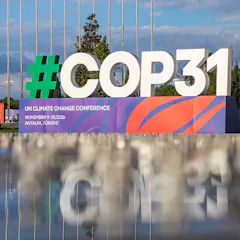
Electrification alone won’t deliver a clean energy transition. Two major challenges remain.
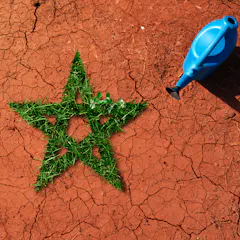
European countries want north Africa to set up green hydrogen industries for them, but this will come at a huge cost to water supplies and coastal areas.
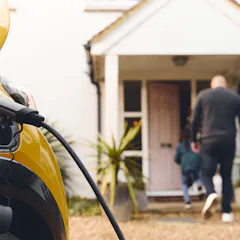
Access to a driveway boosts EV ownership by 70%, but mainly for households already planning to buy.

Preparing for an uncertain future is less about predicting which jobs will survive than developing skills that allow people to adapt as work changes.
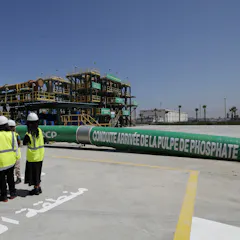
Africa has the minerals to power the green transition. Capturing more value means countries must pool market power and build shared capabilities.
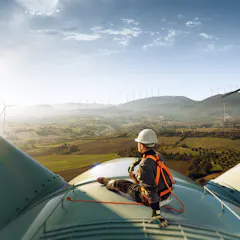
Industrial renewal coupled with social reforms could support a green transition away from carbon-intensive industries while narrowing social inequalities.
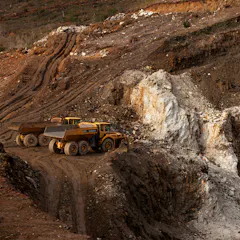
Armed groups in the Sahel are finding new ways to profit from the rapidly expanding lithium trade.
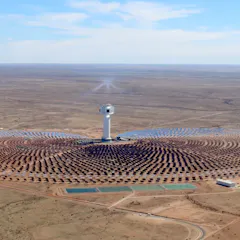
South Africa is one of the best places in the world for concentrating solar power. So why has the country’s energy plan largely ignored it?

Storing hydrogen in metallic materials is a promising avenue for extracting value from Africa’s minerals.
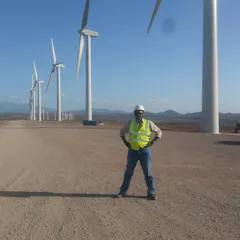
In South Africa and Kenya, some green energy projects have deprived local communities of land and livelihoods instead of sharing the benefits.

Africa has a chance to host a climate conference that makes an impact.

Solar farms can bring jobs, but the story of one South African community shows that rural residents who give up their land need more say in how benefits are shared.
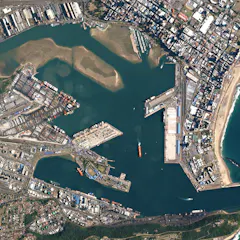
South Africa needs a credible gas plan tied to procurement, infrastructure and industrial policy.
Unlike lithium-ion batteries, flow batteries can’t catch fire (as they are mostly water) and are extremely durable.

South Africa is struggling to move to renewable energy because of: Eskom’s dominance, weak planning, a poor grid, failing municipal networks and unused solar.
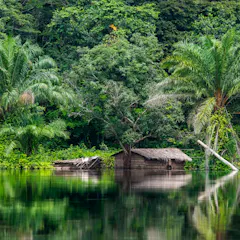
The minerals needed for clean energy are driving widespread forest loss across Africa, much of it far beyond the mine itself and largely preventable.
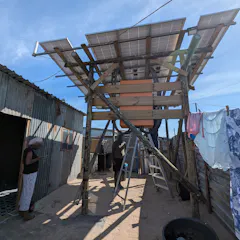
A new basic solar grant made electricity more affordable for families in the Qandu Qandu shack settlement in Cape Town, South Africa.
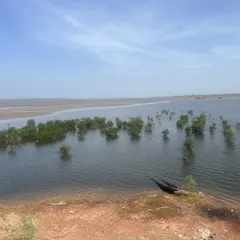
Nature-based solutions like mangrove restoration are key to climate action, but weak monitoring can overstate carbon storage, creating ‘ghost carbon’.
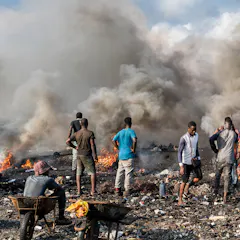
In Agbogbloshie, Ghana, thousands of young women and men burn electronic waste to extract minerals at a cost to their health. They need more protection.
Top contributors
-

Professor in Mechanical and Mechatronic Engineering, Stellenbosch University
-
Senior Lecturer, Africa Energy Leadership Centre, University of the Witwatersrand
-
Lecturer in Sustainability and Fellow of Indo Pacific Research Centre, Murdoch University
-
Professor of Economics, University of Pretoria
-
Visiting Adjunct Professor, African Energy Leadership Centre, Wits Business School, University of the Witwatersrand
-
Professor of Industrial Strategy & Regional Development, Co-Director Centre for Governance, Regions and Industrial Strategy (CGRIS), University of Bath
-
Researcher in Environmental Science, Rhodes University
-
Professor of Business Economics, University of Birmingham
-
Professor and Head of the Department of Geography, Geoinformatics & Meteorology, University of Pretoria
-
Director, Columbia Center on Sustainable Investment, Columbia University
-
Senior Research Associate, University of Johannesburg
-
Climateworks Centre Country Lead, Australia, Monash University
-
Research Specialist, Faculty of Economic and Management Sciences, University of Pretoria
-
Professor of Operations Management, University of Bristol; University of Bath
-
Professor and Director, Victoria Energy Policy Centre, Victoria University