
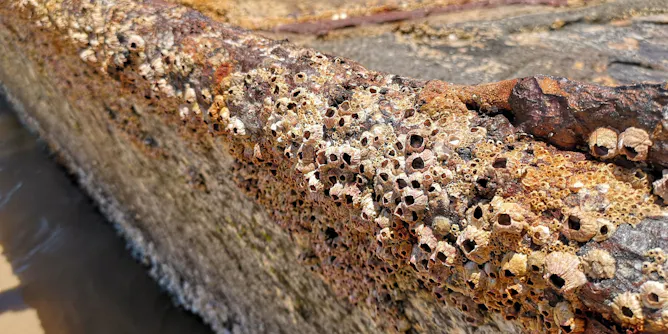
The more corroded marine structures in an area, the more potential new homes for the marine larvae to attach to and grow on.
Articles on Oceans
Displaying 161 - 180 of 935 articles
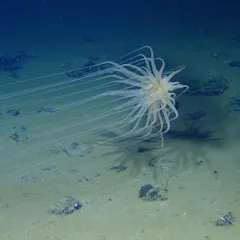
Companies are preparing to move forward with seabed mining, but a method for gathering critical minerals from the seafloor would create sediment plumes in the water column where many creatures live.
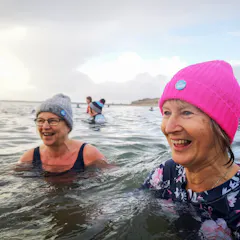
Wild swimmers tend to feel more autonomy and competence.
Environmental stress in evolution can be reframed as a powerful engine of innovation, not simply a barrier to survival.
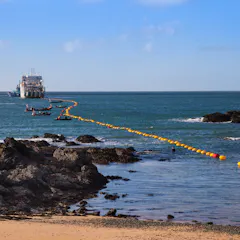
A new generation of subsea cables can collect important data about what’s happening in the ocean. So why aren’t more of them already in use?

A widely held view in ocean conservation asserts that parrotfish are key to healthy coral reefs. But evidence suggests that the relationship is more complicated.
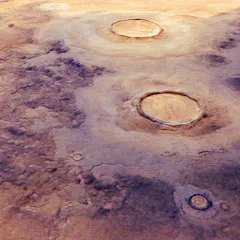
The discovery indicates water may have remained stable on Mars for much longer than scientists thought.

Knowledge is one of the most powerful tools to incite the action needed to save ocean health, so better ocean literacy is essential.
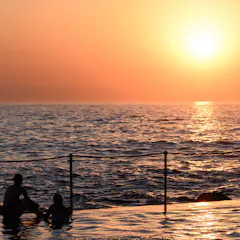
Oceans cover more than 70% of Earth’s surface, and their warming is gravely concerning. So how much is down to climate change?
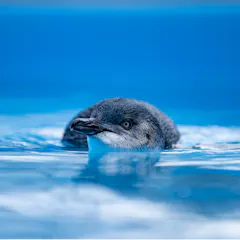
New research shows sea turtles, penguins and whales swim at optimal depths to minimise the energetic cost of travel.
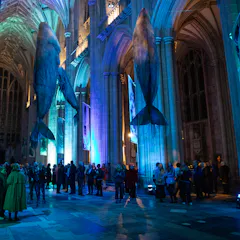
A new immersive art installation highlights the effects humans have on ocean ecosystems, and whales in particular.
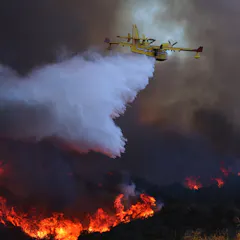
In emergencies, dumping ocean water on fires may be the best option. But seawater can have long-term effects on equipment and ecosystems, as a novel coastal experiment shows.

The Scottish Association for Marine Science wants to better consider how its research could affect the ocean.
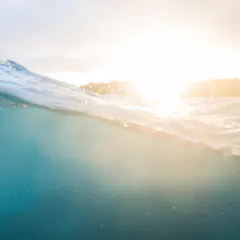
The oceans have been much warmer than average for the past two years, and the planet just set another global heat record. What’s going on?
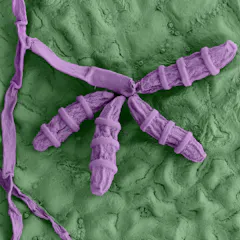
Despite being known to science for over a century thanks to a few early pioneering marine mycologists, most people have never heard of marine fungi.
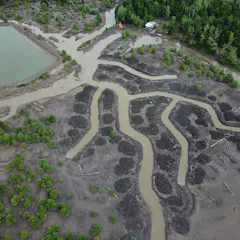
Experts are calling for the end of human-driven mangrove loss, a doubling of the area of mangroves with effective conservation status, and the restoration of half of recently lost mangroves.
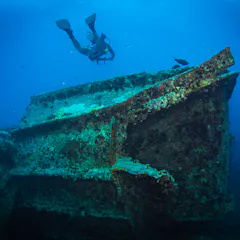
As their structures break down, the wrecks could release toxic substances into the environment.

The accumulation of micro- and nano-plastics in marine organisms, particularly fish, eventually makes its way onto our plates. What are the health risks?
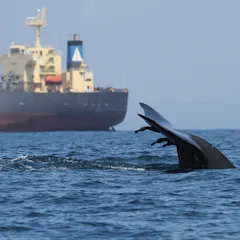
Colliding with ships is a top cause of whale deaths. A new study maps the areas of highest risk, showing where proven strategies such as speed limits and new shipping routes can reduce the toll.
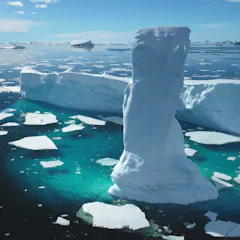
New research shows melting ice is causing the Atlantic Meridional Overturning Circulation (AMOC) to slow down, with widespread consequences for the world’s climate and ecosystems.
Top contributors
-

Professor, School of the Environment, The University of Queensland
-
Harold T. Stearns Professor of Earth Science, Wesleyan University
-
Director of the ARC Centre of Excellence for Our Future Oceans and Scientia Professor in Oceanography, UNSW
-
Research Scientist, Stanford University
-
Distinguished Professor of Marine Science, King Abdullah University of Science and Technology
-
Distinguished Scholar, National Center for Atmospheric Research; Affiliate Faculty, University of Auckland, Waipapa Taumata Rau
-
Senior Principal Research Scientist, Environment, CSIRO
-
Faculty Research Associate in Marine Biology, Arizona State University
-
Chief Research Scientist - Environment, CSIRO
-
Professor of Marine Botany, The University of Western Australia
-
Professor of Biology, Department of Biology, University of Victoria
-
Reader of Applied Mathematics, Cardiff University
-
Associate Professor in Marine Biology, Swansea University
-
Adjunct Research Associate, Faculty of Fisheries and Marine Sciences, IPB University
-
Professor in Conservation Science, School of the Environment, The University of Queensland