
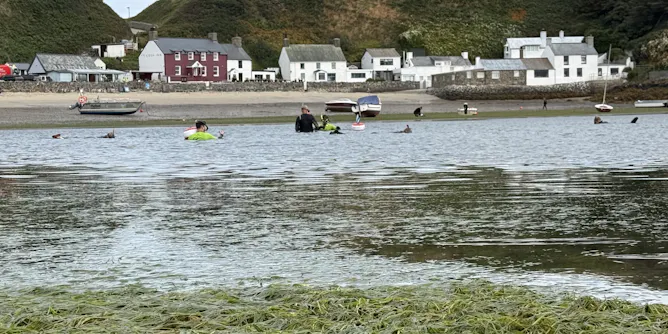
Marine biodiversity underpins human health such as at Porthdinllaen in north wales where seagrass is part of a marine social ecological system.
Articles on Oceans
Displaying 81 - 100 of 935 articles
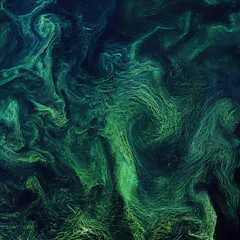
Some methods being tried to counter climate change shift the ocean’s biology or chemistry. Others would deflect solar radiation. All have consequences for marine life.
Marine viruses attack cells, but the material that spills out helps fuels marine life around the world.
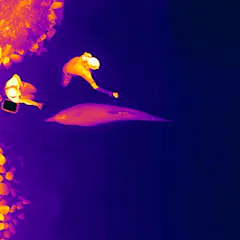
Assessing the health of dolphins and whales is notoriously difficult. But new technology can help.
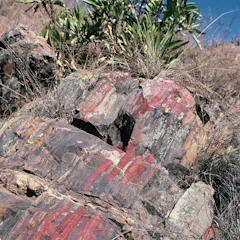
Young Earth was a blue planet covered in oceans, much like today. But the atmosphere was a lethal cocktail of gases, with no oxygen.
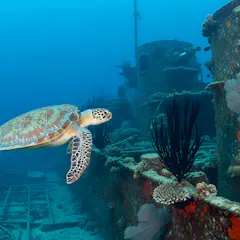
Plants and animals soon colonise any hard surface in otherwise sandy or muddy seafloors.
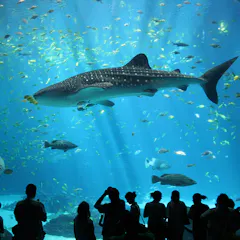
Sharks have had a tough time since the 1970s, when overfishing, habitat loss and a growing trade in their fins began to cut their populations. ‘Jaws’ didn’t help.
South Australians are heartbroken about the state’s unprecedented algal bloom. But eating oysters, donating shells and restoring lost reefs will boost ocean health.
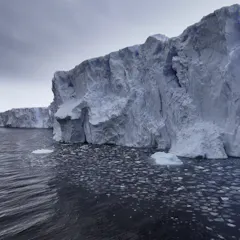
Our ocean float spent years adrift in the Antarctic ocean and beneath massive ice shelves. What it found will help us estimate global sea-level rise.
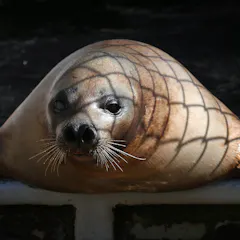
Since Atlantic cod fisheries collapsed in the early 1990s, ecosystems have been less productive and have struggled to recover.

Small plastic pellets, used in wastewater treatment facilities since the 1990s, are more than just plastic pollution – they carriy potentially dangerous bacteria.
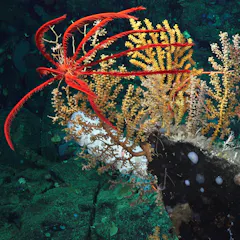
The momentum of COP30 and the first global agreement for marine areas beyond national jurisdiction creates a unique opportunity to further integrate the ocean, particularly the deep sea, into the climate agenda.

How to shift the ‘grey’ ocean economy that prioritises the unequal extraction of resources towards a ‘blue’ economy that benefits all.
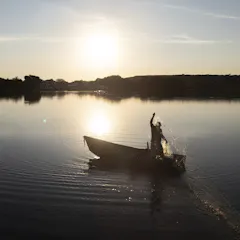
Nearly 30 per cent of the world’s population lives in coastal areas. A changing climate and biodiversity loss represent an unprecedented threat to these ecosystems.
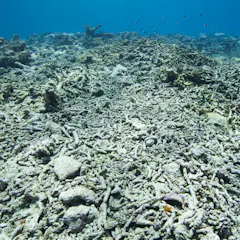
Dangerous climate tipping points will threaten food, water and coastlines. They’re irreversible and only radically accelerated climate action can stop them now.
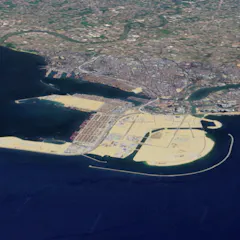
The lines of artificial coastal developments might be neat and straight but in reality, they are fragmenting ecosystems and disrupting hydrodynamics.

Tropical storms are guided by many different wind patterns: big, like the Bermuda high, and small. A hurricane researcher explains their role in why so many storms veered off into the Atlantic in 2025.

Some plastic pollution lingers at the ocean’s surface for more than a century.
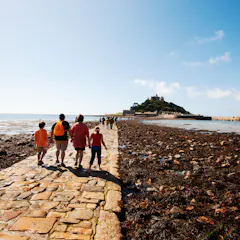
Four in ten people surveyed were unaware that tides come in twice daily, that they vary in timing each day, and that they differ in height across the country.
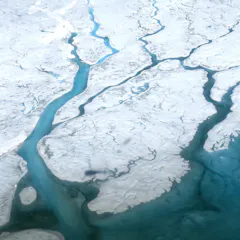
A report warns that coral reefs may have reached their tipping point, and ice sheets, ocean currents and the Amazon are at growing risk. But, what does that actually mean?
Top contributors
-

Professor, School of the Environment, The University of Queensland
-
Harold T. Stearns Professor of Earth Science, Wesleyan University
-
Director of the ARC Centre of Excellence for Our Future Oceans and Scientia Professor in Oceanography, UNSW
-
Research Scientist, Stanford University
-
Distinguished Professor of Marine Science, King Abdullah University of Science and Technology
-
Distinguished Scholar, National Center for Atmospheric Research; Affiliate Faculty, University of Auckland, Waipapa Taumata Rau
-
Senior Principal Research Scientist, Environment, CSIRO
-
Faculty Research Associate in Marine Biology, Arizona State University
-
Chief Research Scientist - Environment, CSIRO
-
Professor of Marine Botany, The University of Western Australia
-
Professor of Biology, Department of Biology, University of Victoria
-
Reader of Applied Mathematics, Cardiff University
-
Associate Professor in Marine Biology, Swansea University
-
Adjunct Research Associate, Faculty of Fisheries and Marine Sciences, IPB University
-
Professor in Conservation Science, School of the Environment, The University of Queensland