
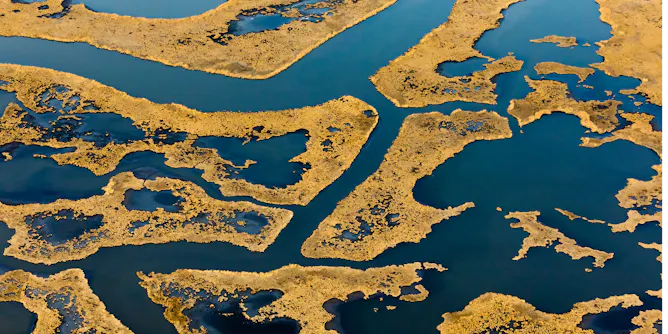
A coastal scientist explains why marshes, mangroves and other wetlands can’t keep up with the effects of climate change, and how human infrastructure is making it harder for them to survive.
Articles on Oceans
Displaying 241 - 260 of 935 articles
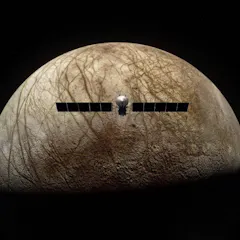
An instrument on the Europa Clipper mission might be able to detect biological cells from space.
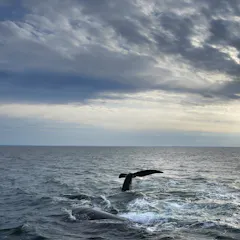
Global warming is making the oceans more acidic. Our work aims to design realistic systems to reduce this acidity, and remove carbon from the atmosphere in the process.

Egg cases of sharks and rays can be found washed up on the shore. Citizen science data helps scientists understand the life cycles of these marine animals and how to best conserve them.
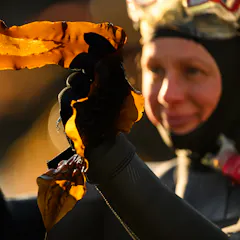
Kelp seaweed spores are being grown on small rocks and waste scallop shells as part of a trial exploring how to regenerate the UK’s coastal kelp forests.
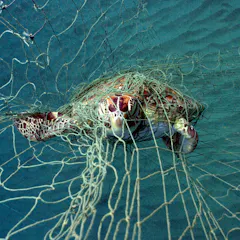
Hi-tech green LED lights attached to fishing gear can act as a deterrent to turtles and help reduce bycatch by approximately 40%.
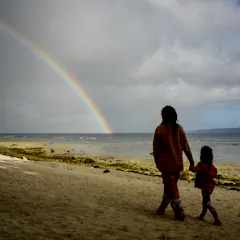
We reviewed evidence on traditional knowledge in the Pacific for coping with climate change, and found much of it was scientifically plausible.
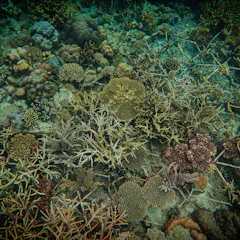
Artificial reef stars have been added to damaged coral reefs in Sulawesi, Indonesia. A new study shows that within just four years, restored reefs are thriving as much as healthy reefs.
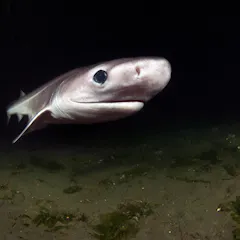
Long lifespans and slow reproduction rates make deep-water sharks and rays as vulnerable to overexploitation as whales once were. We must place them under protection to avoid extinctions.

The toll on wildlife from illegal fishing, bycatch and entanglement in fishing gear is likely underestimated, because it doesn’t account for ‘dark’ fishing vessels, a new study finds.
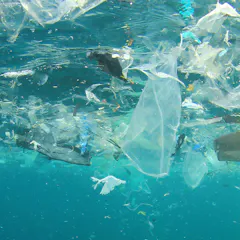
As it travels around the ocean, plastic litter can harm wildlife and marine habitats in many ways. This study highlights five key hotspots where floating plastic poses the biggest risk.
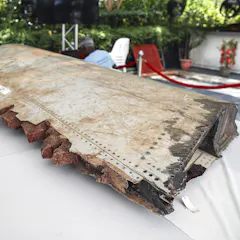
It remains one of the biggest aviation mysteries – the tragic disappearance of passenger flight MH370. But a new, targeted search of the seabed could still yield answers.
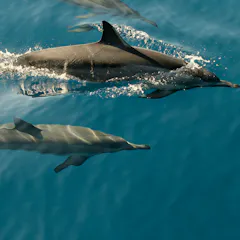
Let’s delve into the three super-senses of dolphins: magnetic perception, electrical perception and echolocation.
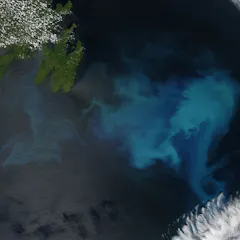
Recent research sheds light on the ocean’s annual ‘biological clock’ and highlights the key dynamics that make it susceptible to climate change.

Deeper ocean habitats (30-150 metres) are a key feeding ground for critically endangered hawksbill turtles.
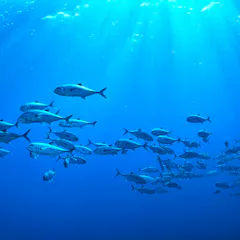
Recent research shows how reducing overfishing is both an ecological imperative and a critical means to addressing climate change.
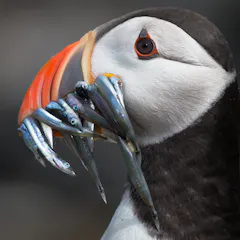
Many seabird colonies around UK coastlines struggle to breed because the sandeels they feed on have been overfished. The upcoming closure of sandeel fisheries will be good news for marine wildlife.
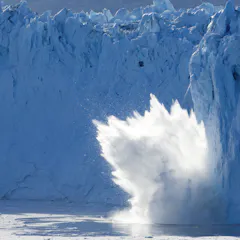
Scientists now have a better understanding of the risks ahead and a new early warning signal to watch for.
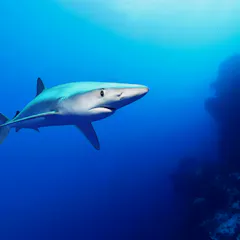
Trophy fishing is a big threat to some of the most threatened species of fish, but there are ways to adapt the sport with marine conservation in mind.
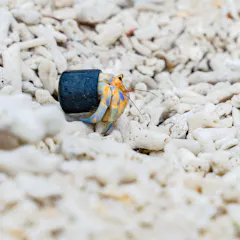
Hermit crabs have been using plastic waste such as bottle tops as homes instead of empty snail shells.
Top contributors
-

Professor, School of the Environment, The University of Queensland
-
Harold T. Stearns Professor of Earth Science, Wesleyan University
-
Director of the ARC Centre of Excellence for Our Future Oceans and Scientia Professor in Oceanography, UNSW
-
Research Scientist, Stanford University
-
Distinguished Professor of Marine Science, King Abdullah University of Science and Technology
-
Distinguished Scholar, National Center for Atmospheric Research; Affiliate Faculty, University of Auckland, Waipapa Taumata Rau
-
Senior Principal Research Scientist, Environment, CSIRO
-
Faculty Research Associate in Marine Biology, Arizona State University
-
Chief Research Scientist - Environment, CSIRO
-
Professor of Marine Botany, The University of Western Australia
-
Professor of Biology, Department of Biology, University of Victoria
-
Reader of Applied Mathematics, Cardiff University
-
Associate Professor in Marine Biology, Swansea University
-
Adjunct Research Associate, Faculty of Fisheries and Marine Sciences, IPB University
-
Professor in Conservation Science, School of the Environment, The University of Queensland