
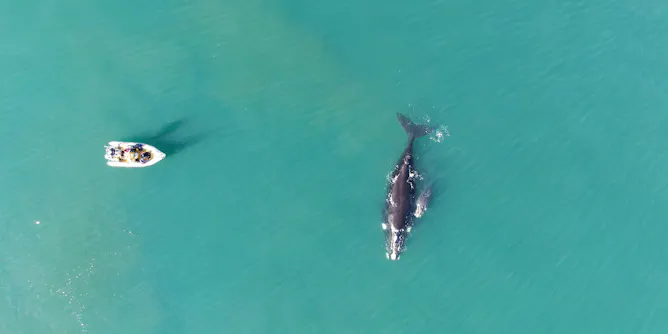
The link between feeding and breeding makes whales a living barometer of ocean health.
Articles on Oceans
Displaying 101 - 120 of 935 articles
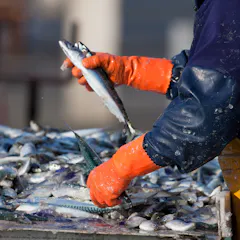
Overfishing affects food security, blue economy jobs and climate resilience.
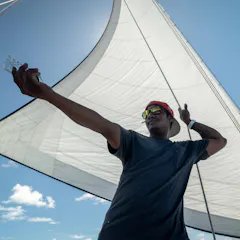
Scientists have been exploring the role that neuroscience plays in ocean navigation.
New marine protected areas may hinder lucrative deep sea mining.
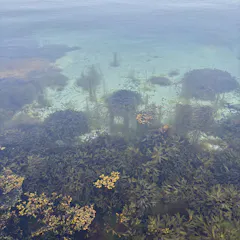
Restoring boulder reefs provides vital habitat for marine animals and helps reduce coastal erosion in the face of climate change.
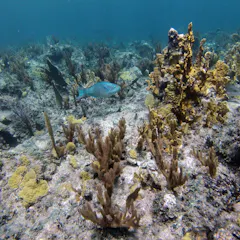
Coral reefs will stop growing and many will start to erode if global warming hits 2°C, according to a new study of 400 sites.
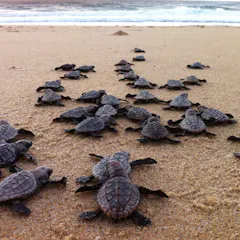
Little is known about the early life of sea turtle hatchlings but a modelling study shows the importance of ocean currents in their journeys.
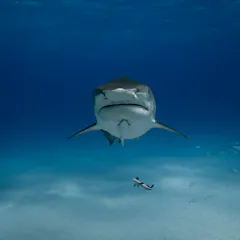
A new study sheds light on how sharks colonised the oceans and became apex predators.
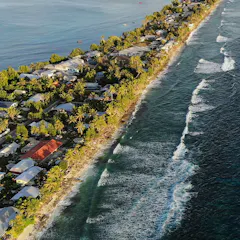
From rising global temperatures to the fast-warming Arctic, early climate models predicted the changes half a century ago.

Researchers highlight the experiences of workers across Canada whose livelihoods and communities have been impacted by climate change.
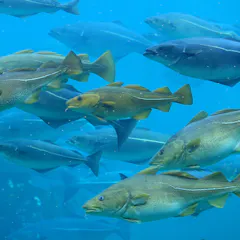
Our modelling of European fish species shows a patchwork of winners and losers as sea temperatures rise.
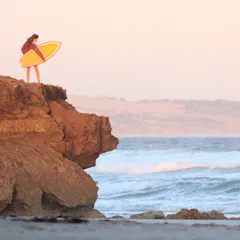
South Australia’s algal bloom is stopping people from swimming, surfing and fishing in their usual spots – and the impact on mental health can be profound.
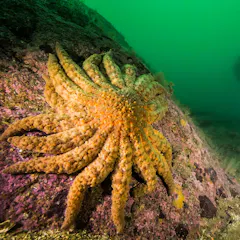
Sea stars are vital to ocean ecosystems; however, a pathogen has been killing them in large numbers, rendering some species critically endangered.
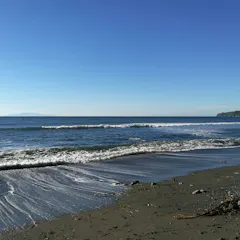
The multi-year heat wave nicknamed ‘The Blob’ impacted thousands of kilometres of marine ecosystems from Alaska to Baja California.
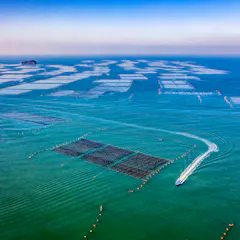
Farming seaweed, changing ocean chemistry, breeding corals and restoring mangroves could help fight climate change – if assessed and managed responsibly.
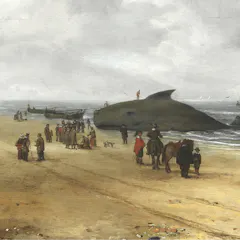
The exhibition was shaped by deep collaboration with scientists, artists, ecologists, activists and coastal communities.

As oceans warm, tropical fish are on the move, heading south into cooler waters. New research reveals how they are getting on with the fish they encounter there.
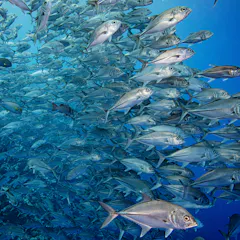
Satellite technology that can track ships even when they ‘go dark’ finds that those protected areas that fully ban industrial fishing are succeeding, even if others aren’t.
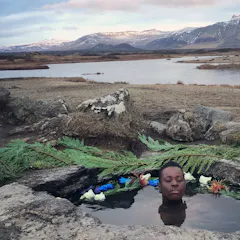
The artworks in Sea Inside offer ways of engaging with the existential threats facing our oceans that are emotive, imaginative and often very funny.
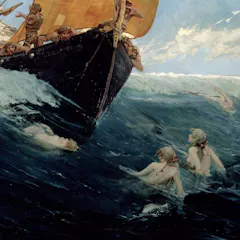
Whistling on a ship was taboo in the 18th century as it was believed to stir the winds.
Top contributors
-

Professor, School of the Environment, The University of Queensland
-
Harold T. Stearns Professor of Earth Science, Wesleyan University
-
Director of the ARC Centre of Excellence for Our Future Oceans and Scientia Professor in Oceanography, UNSW
-
Research Scientist, Stanford University
-
Distinguished Professor of Marine Science, King Abdullah University of Science and Technology
-
Distinguished Scholar, National Center for Atmospheric Research; Affiliate Faculty, University of Auckland, Waipapa Taumata Rau
-
Senior Principal Research Scientist, Environment, CSIRO
-
Faculty Research Associate in Marine Biology, Arizona State University
-
Chief Research Scientist - Environment, CSIRO
-
Professor of Marine Botany, The University of Western Australia
-
Professor of Biology, Department of Biology, University of Victoria
-
Reader of Applied Mathematics, Cardiff University
-
Associate Professor in Marine Biology, Swansea University
-
Adjunct Research Associate, Faculty of Fisheries and Marine Sciences, IPB University
-
Professor in Conservation Science, School of the Environment, The University of Queensland