
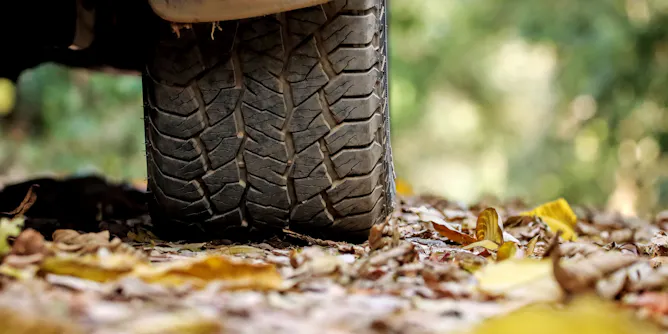
Rain storms wash those tire shards into streams and ultimately into lakes and oceans. That’s bad news for fish and other aquatic life.
Articles on Oceans
Displaying 121 - 140 of 935 articles
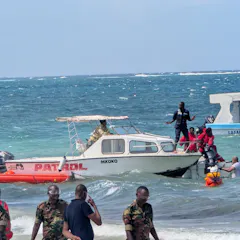
A security specialist in the Western Indian Ocean sees how countries work together to counter the threat of a massive oil spill.

Researchers found that photos of restored reefs were rated just as beautiful as those of healthy reefs.
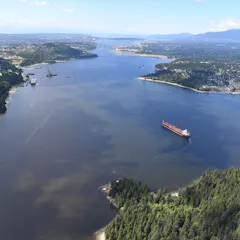
Community-based research led by the Tsleil-Waututh Nation offers insight into how colonization has impacted the waters around Vancouver.

Current science communications in Cape Town are not serving the public well.
Historical maps and records from across Europe show just how much oyster beds and other marine habitats have changed over the centuries.

The ocean needs help – overfishing, pollution and climate change are serious problems. Individuals can take action to help.
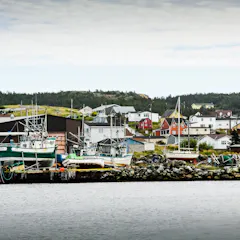
Policymaking on managing Canada’s fisheries could be improved by including provincial authorities and Indigenous stakeholders in more decision-making.
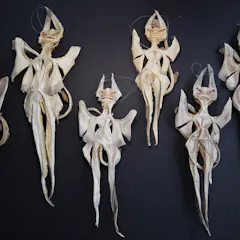
They look like devils and hence are called pez diablo in Spanish, but these demonic objects are dried and mutilated versions of living rays known as guitarfish.
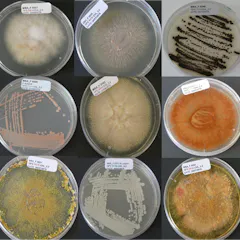
A culture collection of more than 500 fungal strains from seawater, sediments and seaweeds is helping scientists better understand marine fungi.
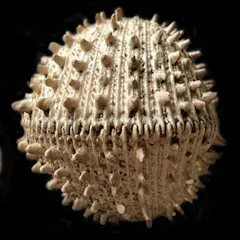
Not everything dies in a mass extinction. Sea life recovered in different and surprising ways after the asteroid strike 66 million years ago. Ancient fossils recorded it all.
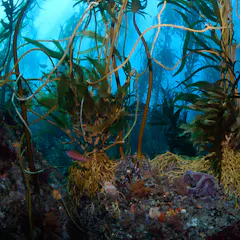
Half of Australia’s seas are protected. So why are marine species and ecosystems in freefall?
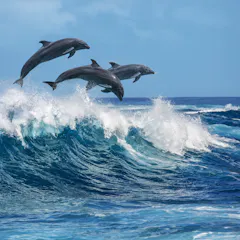
Ever seen images of dolphins jumping out of the waves and performing impressive acrobatics? Let’s explore why they do it.
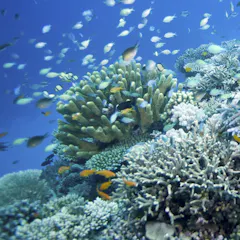
As baby corals float in the currents, they can expand their species’ range. But can they get to climate refuges fast enough to survive? A new study has good news and bad.

Researchers have found that one offshore mussel farm is boosting marine biodiversity and regenerating the seabed.
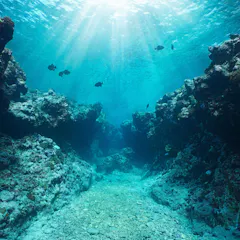
Computer modelling past ocean conditions can help predict the location and age of carbon-rich mud.
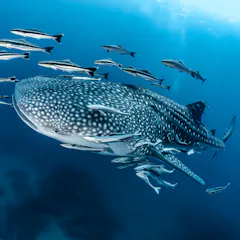
Almost 400 scientists from around the world came together to understand the movements of large marine mammals, using 30 years of satellite tracking data.
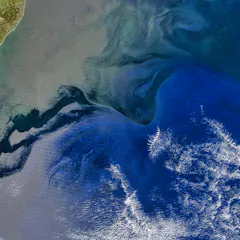
The United Nations Ocean Conference (UNOC 3) will open in Nice, France on June 9, 2025. Will it help to consolidate a new international law of the oceans?
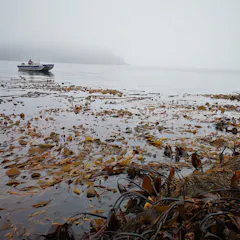
Highly productive kelp forests are being touted as a natural climate solution, but do we know enough to count them as such?
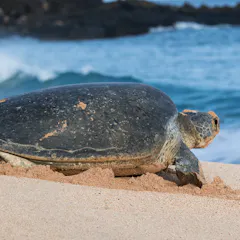
New research estimates that approximately 60 tonnes of plastic debris discarded in the ocean reside within female green turtles at any given time.
Top contributors
-

Professor, School of the Environment, The University of Queensland
-
Harold T. Stearns Professor of Earth Science, Wesleyan University
-
Director of the ARC Centre of Excellence for Our Future Oceans and Scientia Professor in Oceanography, UNSW
-
Research Scientist, Stanford University
-
Distinguished Professor of Marine Science, King Abdullah University of Science and Technology
-
Distinguished Scholar, National Center for Atmospheric Research; Affiliate Faculty, University of Auckland, Waipapa Taumata Rau
-
Senior Principal Research Scientist, Environment, CSIRO
-
Faculty Research Associate in Marine Biology, Arizona State University
-
Chief Research Scientist - Environment, CSIRO
-
Professor of Marine Botany, The University of Western Australia
-
Professor of Biology, Department of Biology, University of Victoria
-
Reader of Applied Mathematics, Cardiff University
-
Associate Professor in Marine Biology, Swansea University
-
Adjunct Research Associate, Faculty of Fisheries and Marine Sciences, IPB University
-
Professor in Conservation Science, School of the Environment, The University of Queensland