
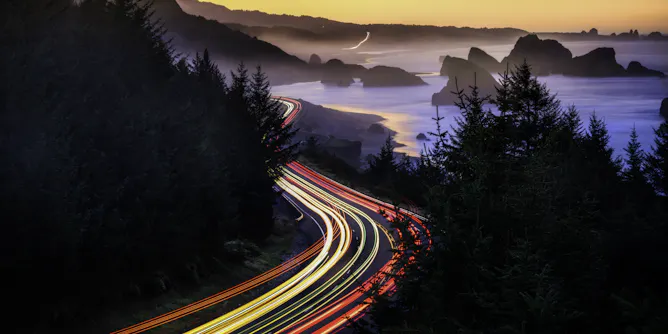
A method for measuring the world’s crucial carbon sinks finds that the ocean’s so-far-increasing ability to help might taper off in the future.
Articles on Oceans
Displaying 1 - 20 of 935 articles
A large basin was never used for its intended recreational purposes and has since been incorporated into a marine protected area alongside coastal mangroves.
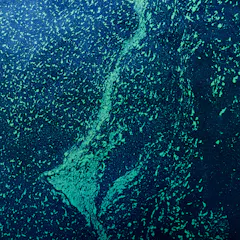
From photosynthesis to fluffy cloud formation, plankton play a huge role in planetary systems, from marine food chains to the carbon cycle.
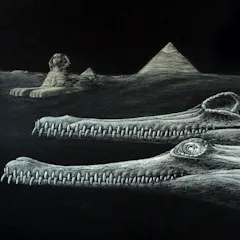
New technology is helping to identify extinct fossil species.
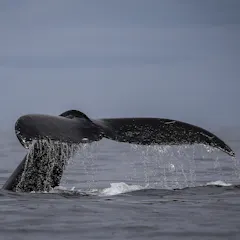
Researchers across the southern hemisphere have observed fewer migrating whales and more entanglements.
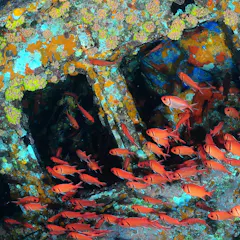
Artificial reefs are still no substitute for protecting the real thing.
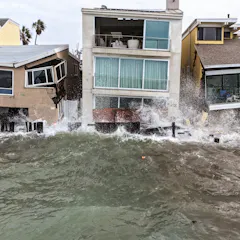
Tropical storms rarely survive in the cool water off California, but waves from storms far to the south can still damaged coastal areas. And flooding rain can sweep in.
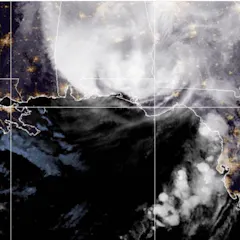
An atmospheric scientist explains what’s been going on in the atmosphere, and how El Niño and the jet stream both play important roles.
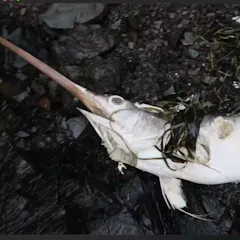
While this sighting is unusual and exciting, it also serves as a reminder that our oceans are rapidly changing and we need to adapt to these changes.

The stories of a whale, a panther and a butterfly help explain why new interpretations of the Endangered Species Act could be catastrophic for species’ survival.
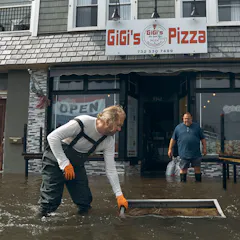
Several factors make for high water levels, and they conspired to worsen the storm surge that flooded coastal areas from North Carolina to New York.

Sharks and rays have been swimming through the oceans for millions of years – but we still don’t really know where.
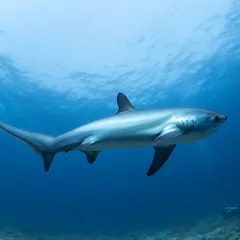
Scientists are working closely with anglers to track the lives of sharks in English waters.
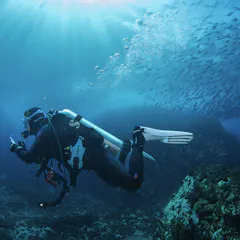
Overfishing and poor enforcement are just two reasons marine ecosystems are struggling to recover.
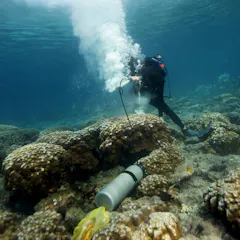
Scientists went to the heart of the El Niño pattern to learn from living and fossil corals. The results show El Niño’s intensifying coincides with global warming.
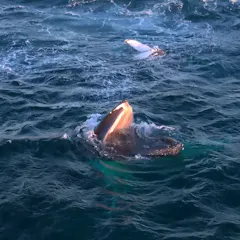
The discovery challenges a long-held assumption about where and when whales feed – and could help us better protect them.
From global temperature records to drought risk in New Zealand, the developing climate pattern could have far-reaching consequences.
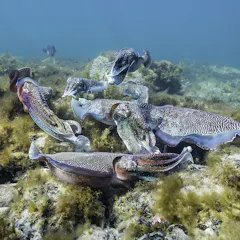
By late June, the animals should be well and truly aggregating. In short, the cuttlefish have simply failed to turn up.
Biodiversity policies fail because governments lack the safeguards, accountability mechanisms and political commitment needed to implement them consistently.

Communities and entrepreneurs are experimenting with ways to turn this nuisance into a valuable resource.
Top contributors
-

Professor, School of the Environment, The University of Queensland
-
Harold T. Stearns Professor of Earth Science, Wesleyan University
-
Director of the ARC Centre of Excellence for Our Future Oceans and Scientia Professor in Oceanography, UNSW
-
Research Scientist, Stanford University
-
Distinguished Professor of Marine Science, King Abdullah University of Science and Technology
-
Distinguished Scholar, National Center for Atmospheric Research; Affiliate Faculty, University of Auckland, Waipapa Taumata Rau
-
Senior Principal Research Scientist, Environment, CSIRO
-
Faculty Research Associate in Marine Biology, Arizona State University
-
Chief Research Scientist - Environment, CSIRO
-
Professor of Marine Botany, The University of Western Australia
-
Professor of Biology, Department of Biology, University of Victoria
-
Reader of Applied Mathematics, Cardiff University
-
Associate Professor in Marine Biology, Swansea University
-
Adjunct Research Associate, Faculty of Fisheries and Marine Sciences, IPB University
-
Professor in Conservation Science, School of the Environment, The University of Queensland