
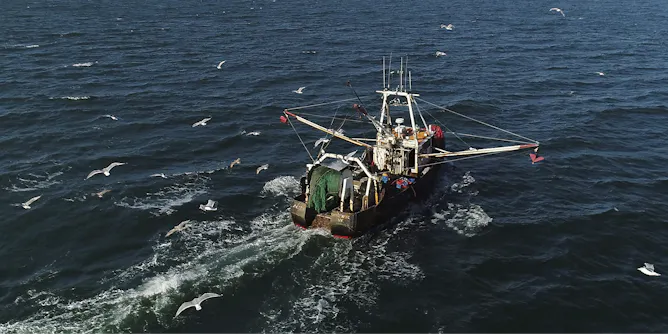
Bottom trawling operates by dragging large, weighted nets across the ocean floor, sweeping up most of the life they encounter along the way and destroying habitats.
Articles on Oceans
Displaying 41 - 60 of 935 articles

Healthy coral reefs can significantly reduce hurricane damage for coastlines, yet many still face harms, including pollution and ship damage, that people have the power to stop.
Ocean carbon removal is picking up, just as Microsoft pulls out as a major funder of carbon removal projects.
Scientists are taking to the seas with new equipment to measure how much carbon the oceans are storing.
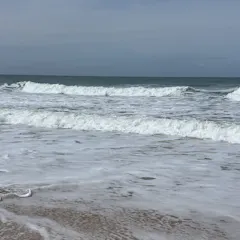
Colour, smell and duration of sea foam are all signs of local environmental health.
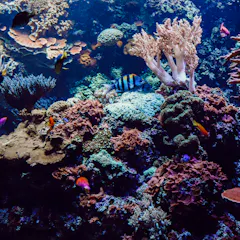
The Earth has already experienced three mass coral bleaching events over the last few decades, with a fourth happening now. Researchers are trying to find ways to make corals more adaptable to heat.
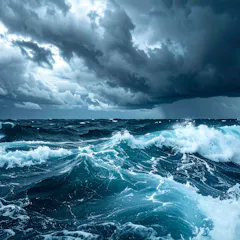
What the Atlantic Meridional Overturning Circulation (AMOC) does and how it shapes our climate.

Understanding why some faults creep rather than sticking and causing massive earthquakes is important for gauging the future risk of both earthquakes and tsunamis.
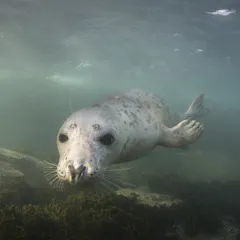
If we are serious about ocean recovery, we need to tackle root causes.

When we see shearwaters washed up dead on beaches, we might think strong winds or a failed migration are to blame. That’s not the case – it’s hotter oceans
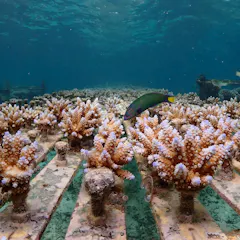
Scientists and reef managers are calling for ‘assisted evolution’ to help accelerate coral reef adaptation in the face of global warming.
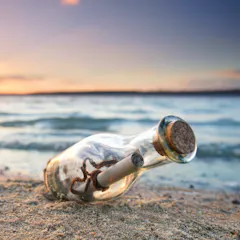
How maths can help us understand how rare it is to find a bottle with a message inside.
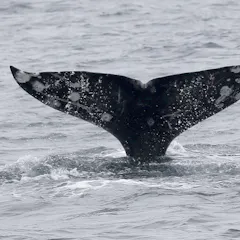
In the past, the gray whale population recovered fairly quickly. But data on baby whales show that isn’t happening, and a new study finds an alarmingly high mortality rate.

Over summer, several big jellyfish blooms were sighted in southern Australian waters. What might be behind these swarms?
Marine scientific cooperation, sustainable resource management and conservation can help prevent conflict and foster trust among nations.
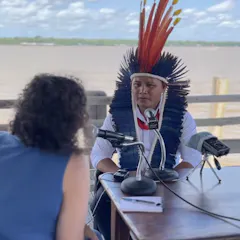
The podcast was created in partnership with UFPA to showcase what scientists in Brazil and Australia are doing to mitigate the impacts of climate change

The High Seas Treaty requires a secretariat to co-ordinate between parties, service meetings, manage information and keep the machinery running.
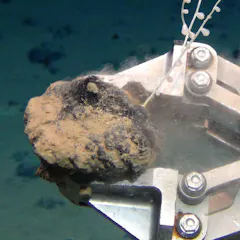
Critical minerals are found in several forms in the ocean, from potato-size nodules to brine pools. They are also in some of the least understood parts of our planet.
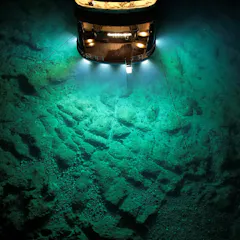
Robotic and autonomous underwater vehicles have collected vast quantities of footage from the deep sea, but most of it hasn’t been analysed.
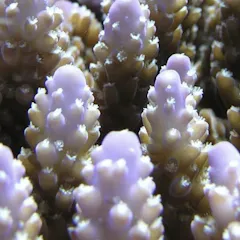
Several years worth of findings from a floating laboratory have tapped into a well-stocked coral library of taxonomic, genetic and chemical diversity, previously unknown to Science and Medicine.
Top contributors
-

Professor, School of the Environment, The University of Queensland
-
Harold T. Stearns Professor of Earth Science, Wesleyan University
-
Director of the ARC Centre of Excellence for Our Future Oceans and Scientia Professor in Oceanography, UNSW
-
Research Scientist, Stanford University
-
Distinguished Professor of Marine Science, King Abdullah University of Science and Technology
-
Distinguished Scholar, National Center for Atmospheric Research; Affiliate Faculty, University of Auckland, Waipapa Taumata Rau
-
Senior Principal Research Scientist, Environment, CSIRO
-
Faculty Research Associate in Marine Biology, Arizona State University
-
Chief Research Scientist - Environment, CSIRO
-
Professor of Marine Botany, The University of Western Australia
-
Professor of Biology, Department of Biology, University of Victoria
-
Reader of Applied Mathematics, Cardiff University
-
Associate Professor in Marine Biology, Swansea University
-
Adjunct Research Associate, Faculty of Fisheries and Marine Sciences, IPB University
-
Professor in Conservation Science, School of the Environment, The University of Queensland