
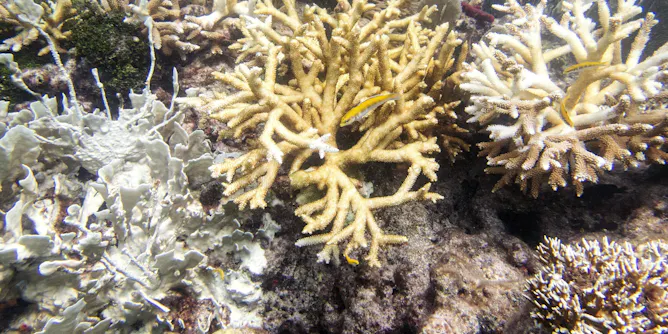
Understanding how both cloud cover and temperature work to promote coral bleaching provides valuable insight into how reefs will change over various climate scenarios.
Articles on Oceans
Displaying 281 - 300 of 935 articles
A climate overshoot that creates warmer oceans with lower oxygen levels will reduce the suitable habitat for many marine species long after CO₂ levels have peaked and declined.

Oceanographic systems vary over years, decades and centuries.
As oceans warm, Canada’s marine protections system looks woefully inadequate. New monitoring systems and flexible governance can help Canada protect the areas most likely to have the greatest impact.

Nigeria’s new marine and blue economy ministry has promise but it must be well run.

Coral has been incorporated into traditions, art and even religion in communities around the world.
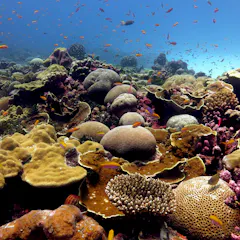
Exploring the often unseen, and poorly understood, nuances of diversity within coral reefs may prove essential for ensuring the long-term health of Earth’s oceans.
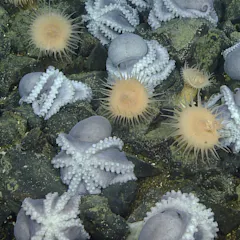
Thousands of pearl octopuses were discovered in 2018 lining thermal vents near a deep-sea volcano. Researchers now know why octopus moms gather there.
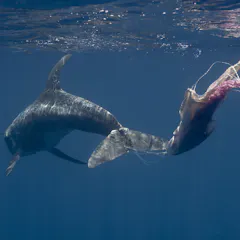
New research shows that relatively large microplastic particles can make their way into the body tissues of marine mammals.
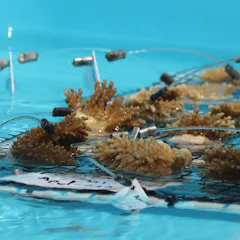
Ocean temperatures have hit record highs off the Florida Keys. Scientists and volunteer divers are racing to save these valuable creatures.

Recent headlines around the supposed impending collapse of the Atlantic currents remind us of the importance of avoiding sensationalism in facing global warming.
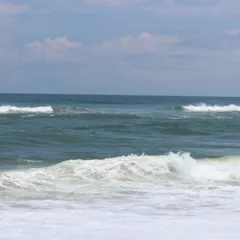
Rip currents are a leading cause of near-shore drownings, but there are effective ways to survive one. And these phenomena also play important ecological roles that are an emerging research area.
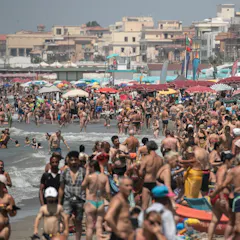
The predicted El Niño is a worry, but it doesn’t guarantee the record-breaking heat we’re seeing in parts of the Northern Hemisphere.
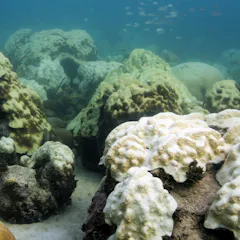
Water temperatures in the 90s off Florida in July are alarming, a NOAA coral scientist writes. Scientists in several North American countries have already spotted coral bleaching off their coasts.
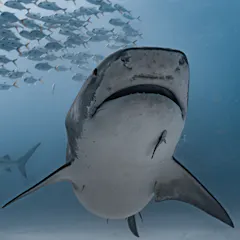
Through regulation, enforcement and monitoring, fisheries management can lead to recoveries in shark and ray populations.
The recent tragedy of the Titan submersible bore striking parallels to one of the most widely read novels about life at sea.

Rhino rays, which are close relative of sharks, are some of the most fascinating – and most threatened – fishes that you’ve never heard of.
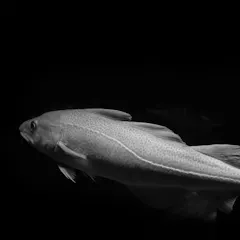
Having a flexible and adaptable management system is necessary to sustainably manage fisheries, especially in times of a rapidly changing climate.
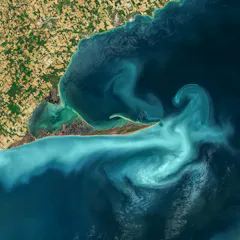
Can we engineer oceans to store more carbon dioxide in the fight against climate change? A new bill before parliament seeks to regulate such activity, but holds back on research incentives.
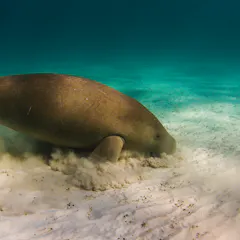
The world’s oceans are getting hotter, quicker. And our marine species are seeking cooler waters. Keep your eyes peeled and you might spot one of these species on the move.
Top contributors
-

Professor, School of the Environment, The University of Queensland
-
Harold T. Stearns Professor of Earth Science, Wesleyan University
-
Director of the ARC Centre of Excellence for Our Future Oceans and Scientia Professor in Oceanography, UNSW
-
Research Scientist, Stanford University
-
Distinguished Professor of Marine Science, King Abdullah University of Science and Technology
-
Distinguished Scholar, National Center for Atmospheric Research; Affiliate Faculty, University of Auckland, Waipapa Taumata Rau
-
Senior Principal Research Scientist, Environment, CSIRO
-
Faculty Research Associate in Marine Biology, Arizona State University
-
Chief Research Scientist - Environment, CSIRO
-
Professor of Marine Botany, The University of Western Australia
-
Professor of Biology, Department of Biology, University of Victoria
-
Reader of Applied Mathematics, Cardiff University
-
Associate Professor in Marine Biology, Swansea University
-
Adjunct Research Associate, Faculty of Fisheries and Marine Sciences, IPB University
-
Professor in Conservation Science, School of the Environment, The University of Queensland