
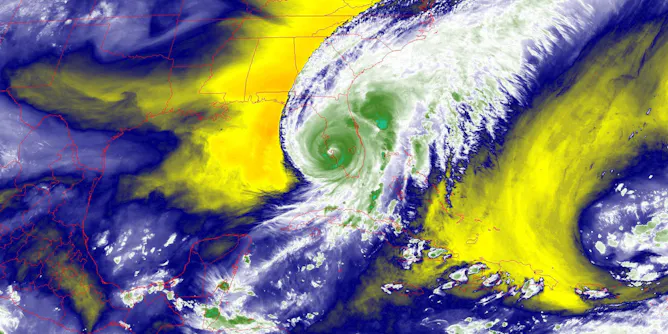
Two hurricane and climate scientists explain what’s known – and still unknown – about global warming’s influence on intensity, rainfall and much more.
Articles on Oceans
Displaying 361 - 380 of 935 articles
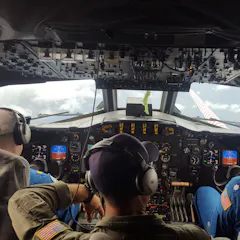
The meteorologist leading NOAA’s 2022 hurricane field program describes flying through eyewalls and the technology in these airborne labs for tracking rapid intensification in real time.
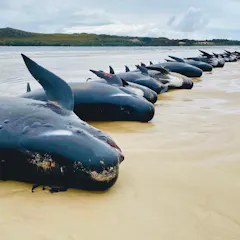
As the dead whales decompose, an astonishing and rare chain of events is likely to flow through the marine ecosystem – ultimately leading to an explosion of activity and new life.

Hurricanes don’t usually maintain high wind speeds as they make their way toward Atlantic Canada. But ocean warming may be linked to the increasing intensity of storms like Fiona.
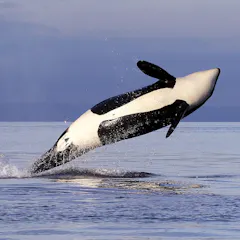
The declining salmon and whale numbers raise a critical question: Is the southern resident killer whale population solely reliant on the abundance of salmon? And, if so, since when?
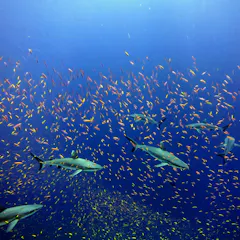
Sharks are much more severely threatened by humans than vice versa. A marine biologist explains how people can help protect sharks and why some strategies are more effective than others.
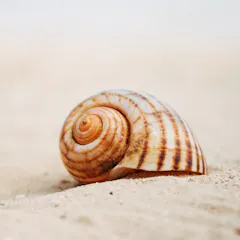
Seashells don’t make the noise of the ocean. Here’s what’s really going on.
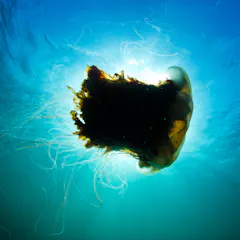
Plankton, some of the smallest organisms on Earth, are leading big changes in the ocean.
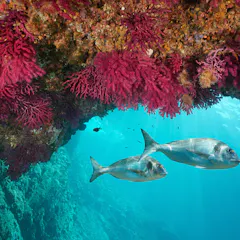
While official data is yet to be released, this year’s Mediterranean marine heatwave will likely have devastating ecological consequences.
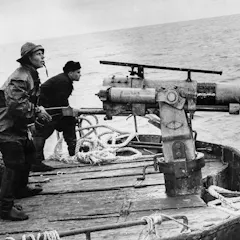
The Soviet Union was a latecomer to industrial whaling, but it slaughtered whales by the thousands once it started and radically under-reported its take to international monitors.
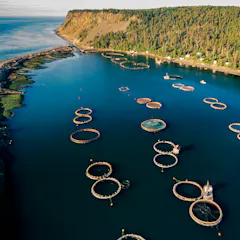
Ocean equity will be the key for achieving blue economies in Canada and the world
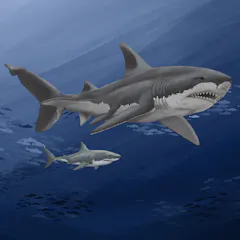
Megalodon, the world’s largest known shark species, swam the oceans long before humans existed. Its teeth are all that’s left, and they tell a story of an apex predator that vanished.
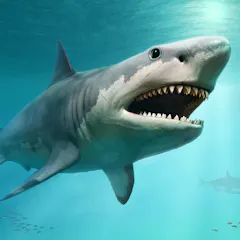
A terrifying sight in ancient waters, the megalodon shark was once the most feared creature in the sea.
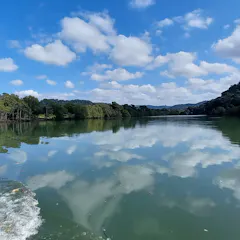
Estuaries shelter and offer respite to countless species of birds, fish and mammals.
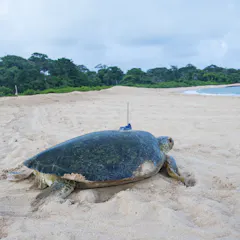
Protecting green turtles is difficult because they perform some of the longest migrations known in the animal kingdom.

The ocean is often considered a silent universe. But many recent studies highlight the importance of the soundscape for many marine species, both large and small.
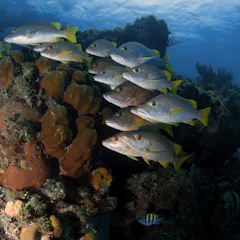
As nations pledge to preserve swaths of ocean within their territorial waters, a marine scientist explains why some marine protected areas shelter ocean life more effectively than others.
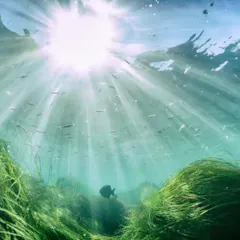
Much of the world’s seagrass is highly threatened through human actions such as coastal degradation, as well as impacts of climate change.
The work of the authors reveals a world that is outward-looking, full of movement, border-crossing and south-south interconnection.

Creating opportunities to meaningfully engage women in governance and decision-making is necessary to achieve gender equality in small-scale fisheries.
Top contributors
-

Professor, School of the Environment, The University of Queensland
-
Harold T. Stearns Professor of Earth Science, Wesleyan University
-
Director of the ARC Centre of Excellence for Our Future Oceans and Scientia Professor in Oceanography, UNSW
-
Research Scientist, Stanford University
-
Distinguished Professor of Marine Science, King Abdullah University of Science and Technology
-
Distinguished Scholar, National Center for Atmospheric Research; Affiliate Faculty, University of Auckland, Waipapa Taumata Rau
-
Senior Principal Research Scientist, Environment, CSIRO
-
Faculty Research Associate in Marine Biology, Arizona State University
-
Chief Research Scientist - Environment, CSIRO
-
Professor of Marine Botany, The University of Western Australia
-
Professor of Biology, Department of Biology, University of Victoria
-
Reader of Applied Mathematics, Cardiff University
-
Associate Professor in Marine Biology, Swansea University
-
Adjunct Research Associate, Faculty of Fisheries and Marine Sciences, IPB University
-
Professor in Conservation Science, School of the Environment, The University of Queensland