
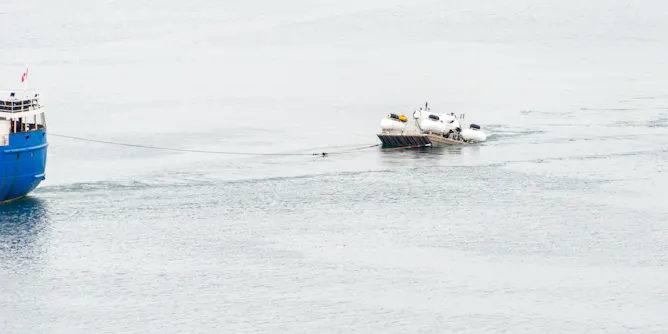
A team of rescuers has located debris from the Titan, indicating the end of search-and-rescue efforts. Risky undertakings need to assess the cost and capacity of any potential rescue needs.
Articles on Oceans
Displaying 301 - 320 of 935 articles
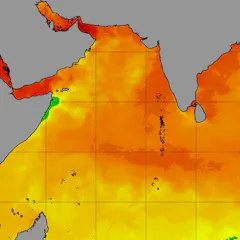
Drought in Europe, dwindling Arctic sea ice, a slow start to the Indian monsoon – unusually hot ocean temperatures can disrupt climate patterns around the world, as an ocean scientist explains.
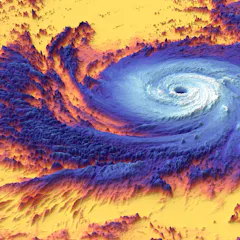
Currents can carry that deep ocean heat hundreds of miles to surface again at distant shores.
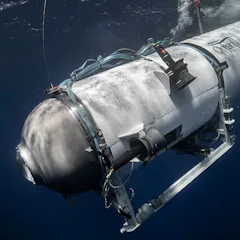
An expert explains some of the best and worst case scenarios facing the missing commercial watercraft.
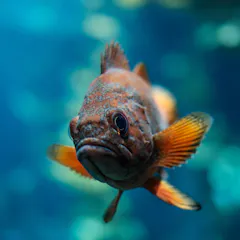
As the world gets hotter, fish are getting smaller. The future of aquatic ecosystems – and fisheries – could depend on understanding how and why it’s happening.
2016 was the world’s warmest year on record, due in part to a very strong El Niño event. But 2023 (and 2024) could beat that record – what should we expect?
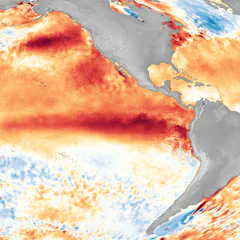
The official forecast calls for a strong El Niño by winter, but other models suggest it might dip in and out. An atmospheric scientist explains.
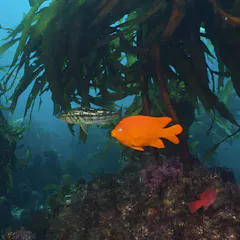
Humans rely on the ocean for food, jobs and other resources, but these systems are being stressed to the brink.
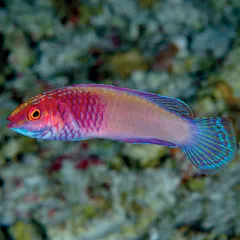
From fluffy crabs that wear sea sponge hats to worms that glow in the dark, scientists are constantly finding amazing new life forms in the ocean.
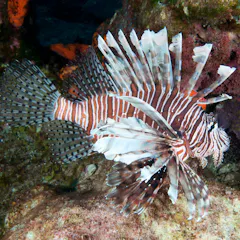
One of the most damaging invasive species in the oceans has breached a major barrier – the Amazon-Orinoco river plume – and is spreading along Brazil’s coast. Scientists are trying to catch up.

Scientists have detected a 30% slowdown of the deep ocean currents that form in Antarctica, with profound consequences for Earth’s climate, sea level and marine life.
Brain injury survivors report the sport can give constant opportunities for learning and a way to reevaulate emotions.
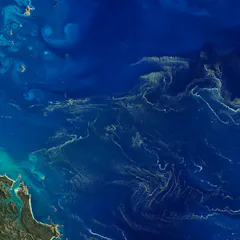
The ocean absorbs a quarter of the CO₂ emitted by humans, thanks in particular to phytoplankton, including diazotrophs. Knowing how to model them is crucial to understanding the ocean’s role in climate.
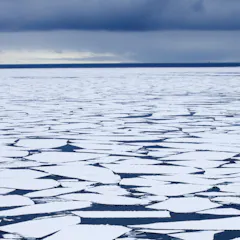
The world’s oceans regulate our climate, but they are entering uncharted territory, with record surface warming and changes to Antarctica’s deep meltwater which drives global currents.
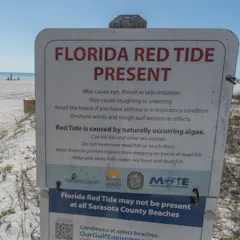
The tiny organisms that cause harmful blooms of algae can have a big impact on your trip to the shore. A toxicologist explains what causes these events and how to keep people and pets safe.
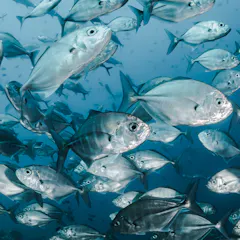
El Niño can trigger intense and widespread periods of extreme ocean warming known as marine heat waves. They can devastate marine life.

By analyzing small samples of killer whale fat, scientists can learn about the diets of different killer whale populations. This has implications for our understanding of changing ecosystems.
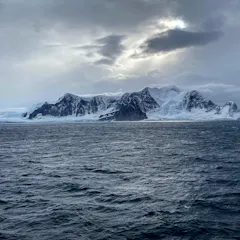
Working with underwater robots, scientists show how deep sea mountains and fast currents between Antarctica and South America play a crucial role in stabilizing the climate.

As the number of protected areas continues to grow, fisher households in Indonesia are still among the poorest of the poor.
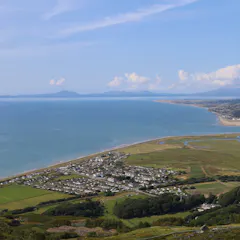
Fairbourne on the west coast of Wales is at risk from both rising sea levels and river flooding.
Top contributors
-

Professor, School of the Environment, The University of Queensland
-
Harold T. Stearns Professor of Earth Science, Wesleyan University
-
Director of the ARC Centre of Excellence for Our Future Oceans and Scientia Professor in Oceanography, UNSW
-
Research Scientist, Stanford University
-
Distinguished Professor of Marine Science, King Abdullah University of Science and Technology
-
Distinguished Scholar, National Center for Atmospheric Research; Affiliate Faculty, University of Auckland, Waipapa Taumata Rau
-
Senior Principal Research Scientist, Environment, CSIRO
-
Faculty Research Associate in Marine Biology, Arizona State University
-
Chief Research Scientist - Environment, CSIRO
-
Professor of Marine Botany, The University of Western Australia
-
Professor of Biology, Department of Biology, University of Victoria
-
Reader of Applied Mathematics, Cardiff University
-
Associate Professor in Marine Biology, Swansea University
-
Adjunct Research Associate, Faculty of Fisheries and Marine Sciences, IPB University
-
Professor in Conservation Science, School of the Environment, The University of Queensland