

Digital technologies have the potential to yield positive results, if co-developed and used ethically with Indigenous communities.
Articles on Oceans
Displaying 341 - 360 of 935 articles
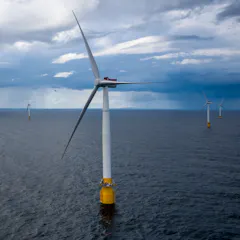
Some of the most powerful offshore wind is over water too deep for a standard wind turbine. Engineers found a way around the problem.
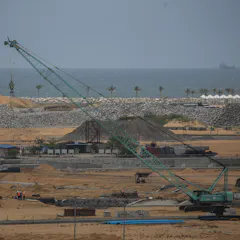
China’s international lending projects have big potential impacts on oceans and coasts. By cooperating more closely with host countries, Beijing can make those projects more sustainable.
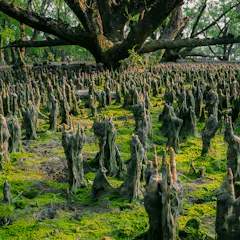
On the border between India and Bangladesh, the Sundarbans suffer from overexploitation and rising sea levels. With a “Climate Wall” project, a virtual museum is raising awareness and increasing resiliency.
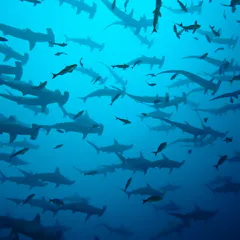
A study offers evidence that marine biology’s biggest stage is broken, and suggests ways to fix it.
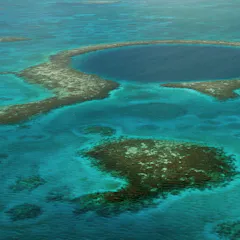
A look back at hurricane history suggests we may be significantly underestimating future risks.
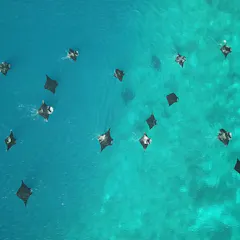
Our new, world-first research provides strong evidence of a significant increase in reef manta rays in protected areas of Raja Ampat over a decade.
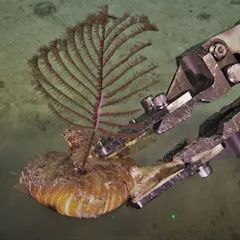
Black corals provide critical habitat for many creatures that live in the dark, often barren, deep sea, and researchers are learning more about these rare corals with every dive.
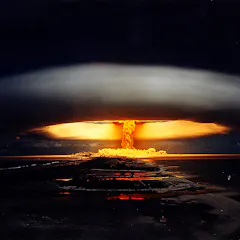
In Europe, a large-scale war could cause the Baltic Sea to freeze over and severely compromise food security – potentially for decades and even centuries to come.
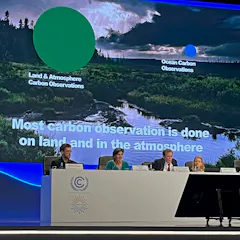
COP27’s agreement on observing the oceans sets a strong foundation for policymakers to invest in internationally linked observation that will help countries better monitor these carbon sinks.

Mangroves support a significant amount of biodiversity and their soils can capture a great deal of carbon.
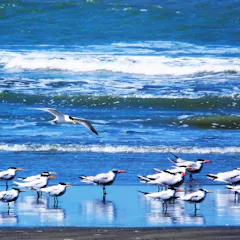
There is only a single mooring managed by French researchers that monitors the impacts of climate change on West African Canary Current.
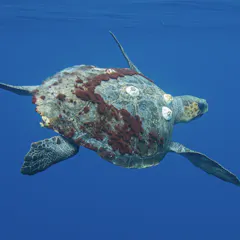
Standard marine protected areas with fixed boundaries can’t effectively shelter these ocean nomads.

Many small island nations are struggling to protect their land from rising seas while also facing paralyzing debt.

Emperor penguins survive in a ‘Goldilocks zone’ between too much sea ice and too little. Climate change is having an impact.

Scientists don’t know what prompts turtle hatchlings to emerge from their nests and head for the water, but vibrations appear to play a role.
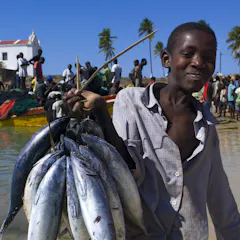
From planting mangroves to dumping minerals in the ocean, there are lots of ideas for ocean carbon dioxide removal – and even more questions.
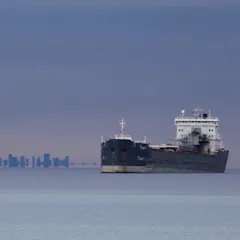
Ballast water release from ocean vessels has been a major source of invasive species in the Great Lakes for over 60 years.
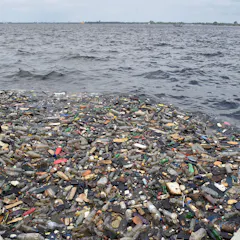
The oceans bordering West African countries are in grave danger from pollution; checking further degradation is crucial for human survival.
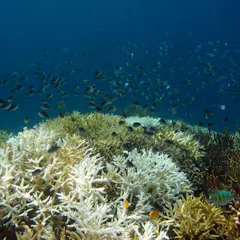
A new biodiversity index captures the climate risk for nearly 25,000 marine species and their ecosystems and lays the groundwork for climate-smart approaches to management and conservation.
Top contributors
-

Professor, School of the Environment, The University of Queensland
-
Harold T. Stearns Professor of Earth Science, Wesleyan University
-
Director of the ARC Centre of Excellence for Our Future Oceans and Scientia Professor in Oceanography, UNSW
-
Research Scientist, Stanford University
-
Distinguished Professor of Marine Science, King Abdullah University of Science and Technology
-
Distinguished Scholar, National Center for Atmospheric Research; Affiliate Faculty, University of Auckland, Waipapa Taumata Rau
-
Senior Principal Research Scientist, Environment, CSIRO
-
Faculty Research Associate in Marine Biology, Arizona State University
-
Chief Research Scientist - Environment, CSIRO
-
Professor of Marine Botany, The University of Western Australia
-
Professor of Biology, Department of Biology, University of Victoria
-
Reader of Applied Mathematics, Cardiff University
-
Associate Professor in Marine Biology, Swansea University
-
Adjunct Research Associate, Faculty of Fisheries and Marine Sciences, IPB University
-
Professor in Conservation Science, School of the Environment, The University of Queensland