

Insects are often under pressure from several threats at once, from pesticides to habitat loss to pollution.
Articles on Biology
Displaying 81 - 100 of 508 articles

Pushing a stroller changes how runners move, lowering some injury risks while raising others. Here’s what the biomechanics data reveals.
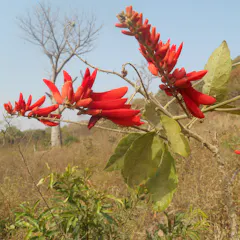
A new publication sheds light on the plants of Burkina Faso and Mali.
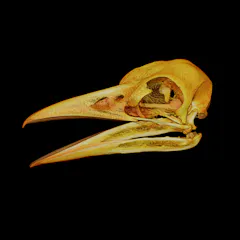
Bird beaks are incredibly diverse – but there’s a way to explain the pattern of their evolution.
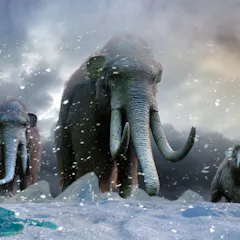
Are new approaches to recreating long-lost animals simply creating imitations?

Most of Australia’s plants rely on a hidden underground network of fungi for water and minerals. They could be in trouble – but we don’t have the data to know.
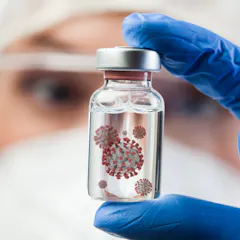
The question of whether viruses are alive or dead is a controversial one in science.
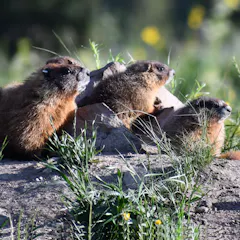
Multilevel selection is a controversial concept originally proposed by Darwin. A new study found evidence for it in the wild in a group of marmots scientists have been observing for more than 60 years.

Plants shape Earth’s atmosphere by moving carbon and water vapour. New research sheds light on how they learned to do it – and how it may change in future climates.
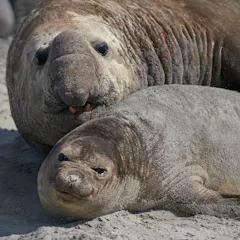
Males and females differing in body size is a common outcome of sexual selection.
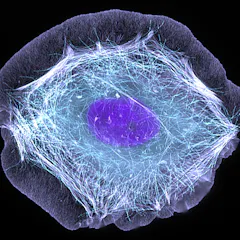
Textbooks usually depict the epithelial cells encasing the interior and exterior of your body as passive barriers. But researchers discovered they can produce electrical signals like neurons.
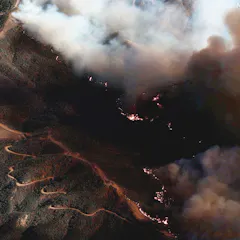
In this course, eight professors share their disciplinary perspectives to help students analyze proposed interventions for increasing wildfire risks.
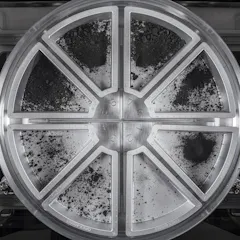
Two new studies show a briny, carbon-rich environment on the parent body of the Bennu asteroid was suitable for assembling the building blocks of life.
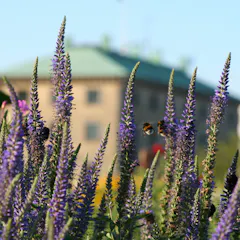
A biologist explains what to focus on if you’re designing a garden with pollinators in mind − and what you don’t need to worry about.
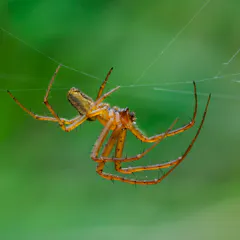
As spiders do not have antennae as insects, it’s long been a mystery how they can smell.
Amidst habitat destruction and ecological grief, let’s make a New Year’s resolution for nature — to care for beetles and butterflies, rainforests and reefs, ourselves, and future generations.
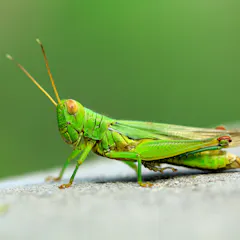
Countless engineering solutions are hiding in plain sight. We just have to look more closely at the natural world.
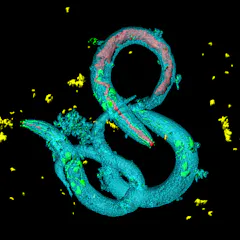
Going into a dormant phase may help animals coexist with competitors, experiments with nematode worms suggest.
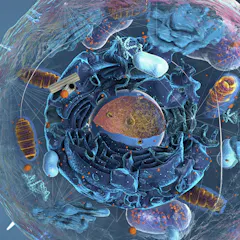
Membraneless organelles, also called biomolecular condensates, are changing how scientists think about protein chemistry, various diseases and even the origin of life.
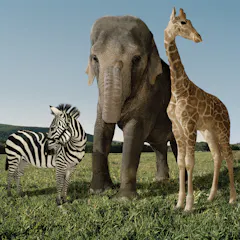
Understanding the differences in growth rate between animals can help clarify the mechanisms behind aging-related diseases and offer ways to treat them.
Top contributors
-

Doctoral Student in Biochemistry, University of Washington
-
Emeritus Strategic Professor in Palaeontology, Flinders University
-
ARC Future Fellow, Behavioural Ecology, Macquarie University
-
Associate Professor of Biology, Tufts University
-
Investigador Científico, Estación Biológica de Doñana (EBD-CSIC); The University of Western Australia
-
Associate Professor of Medical Sciences, University of Wollongong
-
Postdoctoral Fellow, EPFL – École Polytechnique Fédérale de Lausanne – Swiss Federal Institute of Technology in Lausanne
-
Senior lecturer, School of Biological Sciences, University of Bristol, University of Bristol
-
Biologist
-
Fellow, Keele University
-
Lecturer, Macquarie University
-
Senior Lecturer in Molecular Biology, University of Sydney
-
Professor of Biological Sciences, University of Maryland, Baltimore County
-
Chercheur à l’Institut de systématique, évolution, biodiversité (ISYEB), Muséum national d’histoire naturelle (MNHN)
-
Professor of Entomology, North Carolina State University