
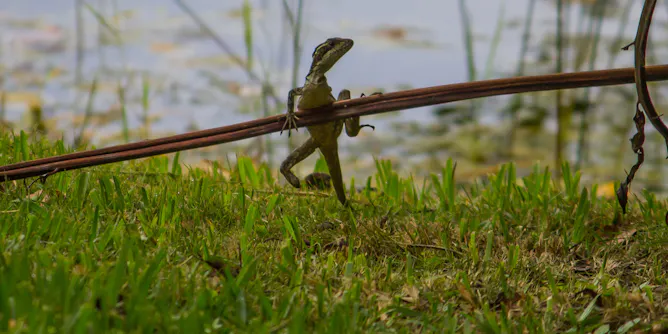
Most lizards probably don’t survive devastating injuries. But a new study documents 122 cases of limb loss across 58 species – these exceptions shine a new light on natural selection.
Articles on Biology
Displaying 61 - 80 of 508 articles
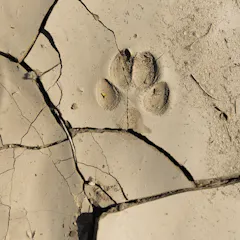
From snails to skunks, squirrels to cicadas, most of our neighbors are quiet and seldom interact with us, but they play important roles in the world.

Biosphere 2 isn’t just the site of a famous human experiment. Today, scientists there work to understand how life emerges in barren environments.
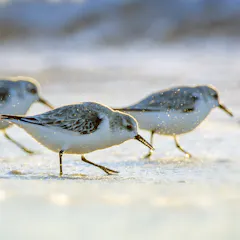
Birds can seem amazingly social as they fly and roost together. But why do they really hang out? Let’s take a closer look at the social lives of birds.

The same principles that help athletes on the court, field or track can help you regulate stress and adapt to changes in everyday life.

Not only are weaver ants not plagued by a drop in teamwork efficiency, but they’re actually ‘superefficient’.
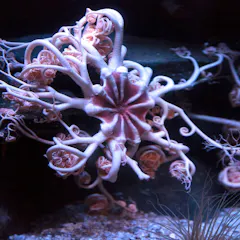
Deep-sea creatures from Iceland to Tasmania are more closely related than anybody realised.
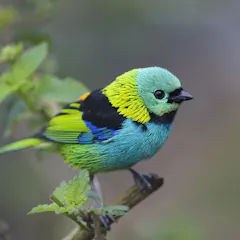
A secret under-layer explains why songbirds’ colourful feathers look so damn good.
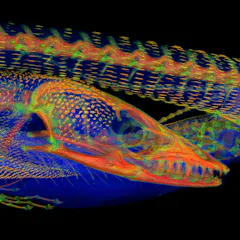
Australian goannas adapted remarkably well to harsh climates. Scientists looking for hidden bone structures in lizards may be a step closer to learning why.

A biography of scientists Carl Linnaeus and Georges-Louis LeClerc explores the complex, disparate lives of two brilliant men who shaped the study of natural history.
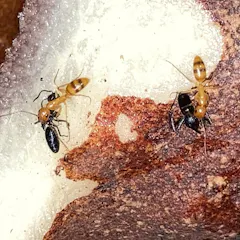
Squamellaria plants grow special structures to host the ants they symbiotically rely on for nutrients. Distinct compartments help different ant colonies live peacefully side by side.
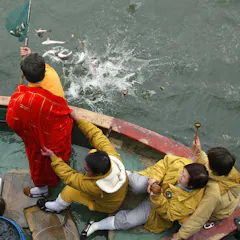
Humans change the urban landscape with religious, cultural and political activities, which in turn can influence the evolution of urban animals and plants.

While trauma can ripple across generations, its effects aren’t hard-coded in our genes.
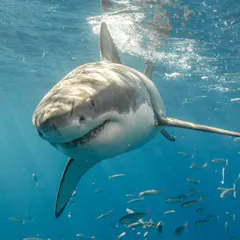
White sharks suffered great declines after the Jaws movie was released. But these iconic predators must be protected.

Can a new database of 3D bone scans help solve the mystery of the elusive ngudlukanta?
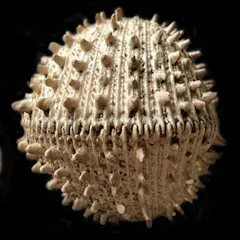
Not everything dies in a mass extinction. Sea life recovered in different and surprising ways after the asteroid strike 66 million years ago. Ancient fossils recorded it all.
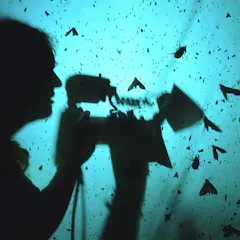
Miller moths migrate through the state every summer and are sometimes considered to be a pest.

Some say Latin names are elitist and incomprehensible, but they started out as a way to be inclusive.

The tools that feminist science studies have developed are critical to the sciences because they ask new questions, and develop new methodologies.

Figuring out whether de-extinction is possible is as much a technical puzzle as a philosophical one. Add two kinds of DNA to the mix, and it gets even more complex.
Top contributors
-

Doctoral Student in Biochemistry, University of Washington
-
Emeritus Strategic Professor in Palaeontology, Flinders University
-
ARC Future Fellow, Behavioural Ecology, Macquarie University
-
Associate Professor of Biology, Tufts University
-
Investigador Científico, Estación Biológica de Doñana (EBD-CSIC); The University of Western Australia
-
Associate Professor of Medical Sciences, University of Wollongong
-
Postdoctoral Fellow, EPFL – École Polytechnique Fédérale de Lausanne – Swiss Federal Institute of Technology in Lausanne
-
Senior lecturer, School of Biological Sciences, University of Bristol, University of Bristol
-
Biologist
-
Fellow, Keele University
-
Lecturer, Macquarie University
-
Senior Lecturer in Molecular Biology, University of Sydney
-
Professor of Biological Sciences, University of Maryland, Baltimore County
-
Chercheur à l’Institut de systématique, évolution, biodiversité (ISYEB), Muséum national d’histoire naturelle (MNHN)
-
Professor of Entomology, North Carolina State University