

Alzheimer’s disease is often associated with a decline in episodic memory. Patients will complain that they can’t remember events they’ve experienced, conversations they’ve had, things they’ve done.
Articles on Alzheimer's disease
Displaying 221 - 240 of 455 articles

Using a technique called admixture mapping, researchers can leverage the diversity of people with mixed ancestry to look for hard-to-find genetic risk factors for diseases like Alzheimer’s disease.
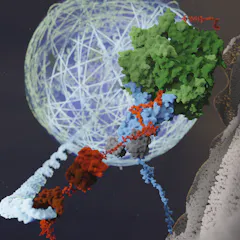
Insight on how a unique protein plays a role in cellular stress responses may provide more clues on how to treat diseases like ALS and Alzheimer’s.

Clinical trials of the drug have shown mixed results.

The new drug is based on the idea that a build-up of amyloid in the brain leads to the disease. But that hypothesis has been under scrutiny lately.

The first drug targeting Alzheimer’s disease has been approved in 20 years – but its approval isn’t based on substantial evidence.

The FDA approved Alzheimer’s disease drug aducanumab despite minimal evidence of its efficacy. Whether this decision ultimately hurts or helps patients depends on data researchers don’t yet have.
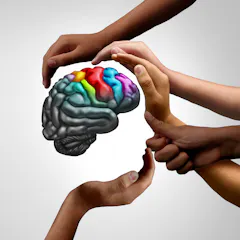
‘Dementia friendly’ communities seek to support people with memory loss, recognize them as equals, celebrate their contributions and enable them to live with purpose in welcoming communities.
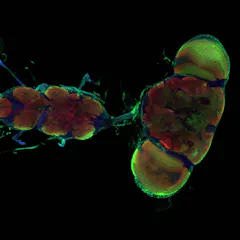
Adaptable neurons are tied to learning and memory but also to neurological disorders. By studying fruit flies, researchers found a mechanism that controls neuroplasticity.

A neuroscientist and a clinician watched two new films about dementia. They recognised what they saw.

If so, it’s just one lifestyle risk among many others.

Nanodiamonds aren’t just cellular bling: they could be used to better understand the development of cancer in our cells.

It was first officially described 115 years ago, but we still do not have a cure for Alzheimer’s disease. The human brain is extremely complex, and Alzheimer’s is its most complex disease.

The final piece in the dementia puzzle is at the door.

Because dementia patients are more likely to acquire COVID-19, and because so many live in close-quarter facilities – like nursing homes – it’s critical to vaccinate them as quickly as possible.
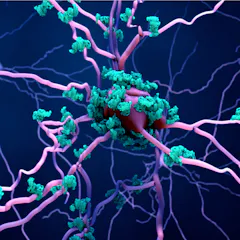
The researchers developed a molecule which works to stop toxic proteins from building up in the brain.

In this new study, people who were overweight had fewer brain cells and lower levels of blood flow compared to people of a normal weight.
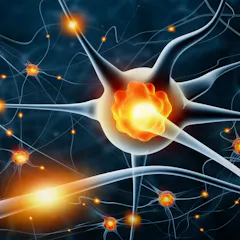
Knowing what cells are more vulnerable could some day help researchers know why these cells are more vulnerable than others.

The tiny air pollutants known as PM2.5, emitted by vehicles, factories and power plants, aren’t just a hazard for lungs. A study finds more brain shrinkage in older women exposed to pollution.
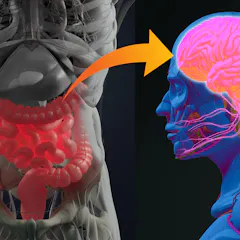
Our gut microbes play a key role in sending and receiving signals that influence the brain.
Top contributors
-

PhD Candidate, Neuroscience, University of Sheffield
-
Research Fellow in Neuroimmunology, UCL
-
Professor of Chemistry and Senior Scientist of the Krembil Research Institute, University Health Network, University of Toronto
-
Professor of Biological Psychology, Loughborough University
-
Head of Clinical Services, Dementia Support Australia, & Associate Professor of Psychiatry, Monash University
-
Professor Emeritus of Molecular Neurobiology at the University of Manchester and a Visiting Professorial Fellow, University of Oxford
-
Associate Professor, Turner Institute for Brain and Mental Health, Monash University
-
Professor of Neurology and Neuroscience, University of Florida
-
Étudiant au doctorat en psychologie, Université du Québec à Montréal (UQAM)
-
Post grad student at University of Edinburgh, University of Edinburgh
-
Host, The Conversation Weekly Podcast, The Conversation
-
Professor of Neurology, UCL
-
Associate Professor in Cellular Neuroscience, University of Reading
-
Professor of Psychology in Epidemiology, UCL
-
Affiliate Professor, Department of Family Medicine, McGill University