
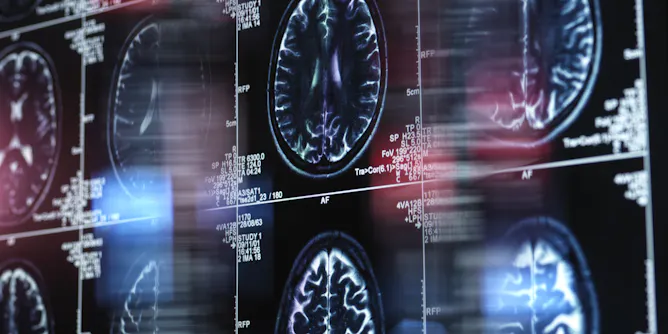
Despite decades of starts and stops, new treatments and key genetic discoveries are giving researchers great hope for slowing or eventually preventing Alzheimer’s disease.
Articles on Alzheimer's disease
Displaying 141 - 160 of 455 articles

Several new drugs have recently been approved in the US to treat Alzheimer’s disease. But they’re not quite the breakthrough that some are claiming.
Disorders such as Alzheimer’s and epilepsy are difficult to diagnose with only occasional doctor visits. A new approach would allow fathering of extensive real-world data directly from patients.

Humans have attempted to understand and treat mental illness for centuries – from ancient Greek medicine, Middle Ages exorcisms and the rise of asylums, to modern medical breakthroughs.

While there is no guarantee of warding off cognitive decline, encouraging people to be physically, mentally and socially active could potentially keep a significant number of dementia cases at bay.

In the short-term, inflammation is a sign your body is healing. But persistent levels of inflammation in blood and tissue, called ‘inflammaging’, is linked to disease. Diet might help.
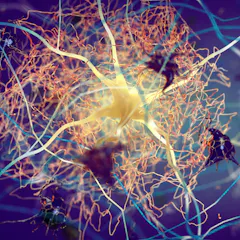
The drug has been hailed as a ‘turning point’ in Alzheimer’s treatment. But keep in mind the trial only included participants with early or mild disease. And while it slowed decline, it’s not a cure.

Around one in 20 people with Alzheimer’s disease are diagnosed before the age of 65.

People living with dementia often become more confused in the late afternoon and into the night. Why, and what can we do about it?

Alzheimer’s disease is the most prevalent form of dementia. This is a term used to describe a range of symptoms linked to the decline in brain function with age.
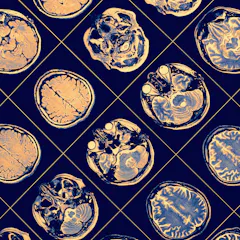
A machine learning algorithm was able to accurately predict those with preclinical Alzheimer’s disease based on their gut microbe composition.

The surprising parallel between spider silk spinning and fibres toxic to humans could lead to new clues about how to fight neurodegenerative disorders.

People with Down syndrome have an extra chromosome 21. Understanding the effects of those triplicated genes could help improve the health of those with Down syndrome and other medical conditions.

REM sleep behavior disorder is characterized by acting out dreams, which may include shouting, kicking and punching during sleep.

Judges called it a profound novel that asks the contemporary question: what happens to us when our memories disappear?

The much-discussed weight-loss jab may be good for treating Britain’s biggest killer: dementia. Trials are underway.
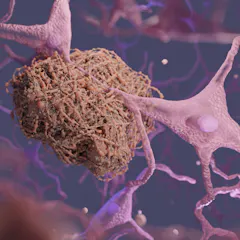
Late-stage trial results suggest the drug can slow cognitive decline by 35%.

But it could still save you from dementia.

People with dementia can sometimes be fully “present”, knowing who is around them, where they are, and what’s happening. And then other times they may be confused, disorientated, and unaware.

Our understanding of Parkinson’s disease is far from complete. But researchers now believe that in most cases, Parkinson’s is caused by a complex interaction between genetic and environmental factors.
Top contributors
-

PhD Candidate, Neuroscience, University of Sheffield
-
Research Fellow in Neuroimmunology, UCL
-
Professor of Chemistry and Senior Scientist of the Krembil Research Institute, University Health Network, University of Toronto
-
Professor of Biological Psychology, Loughborough University
-
Head of Clinical Services, Dementia Support Australia, & Associate Professor of Psychiatry, Monash University
-
Professor Emeritus of Molecular Neurobiology at the University of Manchester and a Visiting Professorial Fellow, University of Oxford
-
Associate Professor, Turner Institute for Brain and Mental Health, Monash University
-
Professor of Neurology and Neuroscience, University of Florida
-
Étudiant au doctorat en psychologie, Université du Québec à Montréal (UQAM)
-
Post grad student at University of Edinburgh, University of Edinburgh
-
Host, The Conversation Weekly Podcast, The Conversation
-
Professor of Neurology, UCL
-
Associate Professor in Cellular Neuroscience, University of Reading
-
Professor of Psychology in Epidemiology, UCL
-
Affiliate Professor, Department of Family Medicine, McGill University