

We found that the key factors behind poor cognitive function were related to levels of education, being a woman, marital status and being poor.
Articles on Alzheimer's disease
Displaying 261 - 280 of 455 articles

Having better diagnostic tools will allow healthcare professionals to provide the best care possible.

Researchers are looking for ways to determine who’s most at risk for dementia and also ways to detect it early. A scientist who has studied low blood pressure makes a case for a link between the two.

A national trial that looked at whether brain stimulation could restore memory had a surprise finding. Deep brain stimulation brought back vivid memories temporarily.

Technological solutions may help to relieve the burden of care for family, service providers and caregivers working with the elderly.

Scientists explain why commercial gene testing should be used with caution.

Alzheimer’s disease is the most common form of dementia. Despite all efforts, no treatments have been found yet. To increase the odds, we need to rethink our approach and try to better understand it.

Alzheimer’s is one of the most dreaded and difficult diseases, and it has been notoriously difficult to diagnose. Could that change in the coming years with the advent of new blood tests?

Many chronic diseases increase our risk of Alzheimer’s disease. This link between our bodies and our brains means certain healthy choices could protect our cognitive function.

An enzyme called TOR could hold the secret to a longer, healthier life.

Some previous research suggests people living in rural areas may be at a higher risk of developing Alzheimer’s disease. But these results tell a different story.

People with Alzheimer’s disease have lower rates of type 2 diabetes than the general population.

With fear of a diagnosis of Alzheimer’s a constant concern for many seniors, they turn to supplements. A recent study suggests they’d be better off keeping their money.
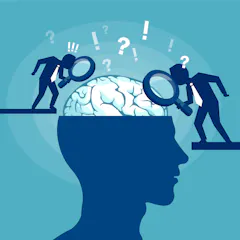
After the failure of multiple drug trials the outlook for an Alzheimer’s drug is bleak. This shouldn’t be a surprise. We don’t know the cause or even how to diagnose the disease.
Protein tangles have been blamed for causing Alzheimer’s – but drugs that target them keep failing.
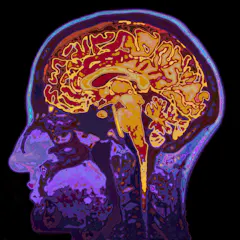
Not all drug development needs to start from scratch. Sometimes researchers discover that a drug developed for one disease can be used for another. Here a cancer drug may show promise for dementia.

Our ability to smell is a function of the brain, so it makes sense that an impaired sense of smell can point to cognitive decline. The good news is training our noses may be effective.

When nerve cells in the brain pass electrical signals to each other, they create tiny electric fields that can be sensed from outside the skull.

Many pieces leading to Alzheimer’s disease have been identified. To put the pieces together, one scholar argues that the government should launch a Manhattan Project-scale effort to find a cure.

We were the first to make the connection between P. gingivalis and fully diagnosed Alzheimer’s disease. While evidence of a link is growing, it must be interpreted in context.
Top contributors
-

PhD Candidate, Neuroscience, University of Sheffield
-
Research Fellow in Neuroimmunology, UCL
-
Professor of Chemistry and Senior Scientist of the Krembil Research Institute, University Health Network, University of Toronto
-
Professor of Biological Psychology, Loughborough University
-
Head of Clinical Services, Dementia Support Australia, & Associate Professor of Psychiatry, Monash University
-
Professor Emeritus of Molecular Neurobiology at the University of Manchester and a Visiting Professorial Fellow, University of Oxford
-
Associate Professor, Turner Institute for Brain and Mental Health, Monash University
-
Professor of Neurology and Neuroscience, University of Florida
-
Étudiant au doctorat en psychologie, Université du Québec à Montréal (UQAM)
-
Post grad student at University of Edinburgh, University of Edinburgh
-
Host, The Conversation Weekly Podcast, The Conversation
-
Professor of Neurology, UCL
-
Associate Professor in Cellular Neuroscience, University of Reading
-
Professor of Psychology in Epidemiology, UCL
-
Affiliate Professor, Department of Family Medicine, McGill University