

Listen to the first episode of our series Uncharted Brain: Decoding Dementia via The Anthill podcast.
Articles on Alzheimer's disease
Displaying 181 - 200 of 455 articles

Ruth Itzhaki has spent more than 30 years researching whether certain common viruses play a role in the development of Alzheimer’s. But for years her research was greeted with hostility.

Just months after the end of the second world war, the longest running study of health over the human life course in the world began – and it’s still going.

With an increasing number of people living with dementia worldwide and in Canada, it’s crucial to find ways to promote community awareness and prevent people with dementia from getting lost.

A podcast and long read series exploring new research into the brain and dementia.
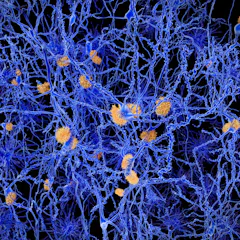
Too much amyloid-beta in the brain has long been considered the cause of Alzheimer’s. New research suggests it might be the opposite.

Lecanemab, an experimental dementia drug, slowed cognitive decline by 27% in late-stage clinical trials.

Here’s why it’s so important to look after your oral health.

New study finds that middle-aged people who had nightmares every week, are four times more likely to experience cognitive decline.

Action is needed to hold off a wave of dementia cases in an aging population. One of the most effective tools to reduce the prevalence of dementia is to address modifiable factors.

Alzheimer’s may not be primarily a disease of the brain. It may be a disorder of the immune system within the brain. Beta-amyloid may not be an abnormal protein, but part of the brain’s immune system.
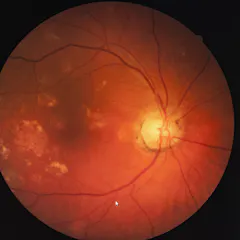
A thinning of the retina is associated with earlier ageing of the brain. Widely available retinal imaging could help detect cognitive decline in its earliest stages.

Nonhuman primates like rhesus monkeys share certain characteristics with people that may make them better study subjects than mice for research on neurodegenerative diseases.

You may dismiss many behaviour changes as just a normal part of ageing. But it may be doggy dementia, or canine cognitive dysfunction.

Diets high in fat, sugar and processed foods are associated with higher calorie intake, poorer memory and lower cognitive function.

A highly cited paper on Alzheimer’s disease may have been purposely manipulated.

From thalidomide to resveratrol, molecules with the exact same chemical properties can have drastically different effects in the body depending on how they’re arranged in space.

Not all Alzheimer’s research has been compromised by allegations of scientific fraud. But we should interrogate whether the governing bodies of research and drug approvals are truly effective.

Much dementia research does not reflect ethnically diverse communities. Studies used to make policy, clinical and investment decisions in dementia should reflect the diverse Canadian population.

Noradrenergic drugs are already used to treat a variety of conditions, including ADHD and depression.
Top contributors
-

PhD Candidate, Neuroscience, University of Sheffield
-
Research Fellow in Neuroimmunology, UCL
-
Professor of Chemistry and Senior Scientist of the Krembil Research Institute, University Health Network, University of Toronto
-
Professor of Biological Psychology, Loughborough University
-
Head of Clinical Services, Dementia Support Australia, & Associate Professor of Psychiatry, Monash University
-
Professor Emeritus of Molecular Neurobiology at the University of Manchester and a Visiting Professorial Fellow, University of Oxford
-
Associate Professor, Turner Institute for Brain and Mental Health, Monash University
-
Professor of Neurology and Neuroscience, University of Florida
-
Étudiant au doctorat en psychologie, Université du Québec à Montréal (UQAM)
-
Post grad student at University of Edinburgh, University of Edinburgh
-
Host, The Conversation Weekly Podcast, The Conversation
-
Professor of Neurology, UCL
-
Associate Professor in Cellular Neuroscience, University of Reading
-
Professor of Psychology in Epidemiology, UCL
-
Affiliate Professor, Department of Family Medicine, McGill University