

Mitochondria, which are found in every cell in the body, play an important role in brain function.
Articles on Alzheimer's disease
Displaying 161 - 180 of 455 articles

New research affords a rare window into the circumstances and needs of a potentially very vulnerable group that until now has remained largely invisible: people with dementia who have no close kin.

Alzheimer’s disease in young adults is a rare yet growing phenomenon.

Researchers are trying to understand whether ultraprocessed foods erode brain health in the aging process.

Mice with minimal levels of gut bacteria showed less brain cell damage.

Although autosomal dominant Alzheimer’s disease is very rare, studying it provides researchers with valuable information on how the disease progresses in general.
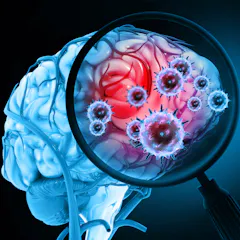
Inflammation and damage to the olfactory system from shingles, COVID-19 and herpes infections may contribute to Alzheimer’s disease.

In clinical trials, lecanemab slowed disease progression by 27% and reduced the amount of plaque found in the brains of those with Alzheimer’s disease.

Dancing requires physical, social and cognitive engagement and, as a result, it may bolster a wide network of brain regions.

An 18-month treatment with lecanemab slows functional and cognitive loss by 27 per cent in people with mild Alzheimer’s disease. But this is only the first step towards a real cure.

The decision to move a loved one with dementia into residential care is an incredibly difficult one. These considerations may help.

Not all memory lapses are due to age-related changes in our brains. You could just be tired, anxious or distracted. Here’s what signals a problem.

Impaired insulin receptors in the blood vessels between the blood and the brain may contribute to the insulin resistance observed in Alzheimer’s disease.
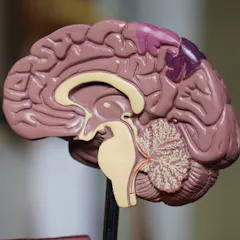
Two new dementia drugs are being hailed as breakthroughs. But what might be an incremental breakthrough for researchers, doesn’t mean a cure for patients.
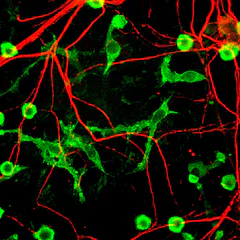
Microglia, immune cells disguised as brain cells, are known as the janitors of the brain. Dialing up their usual duties just enough could provide an avenue to treat neurodegenerative disease.

Lecanemab slows progression of early-stage Alzheimer’s disease in some, new study shows. But the ‘adverse events’ are significant.

With a good diet and rest, we can all reduce our risk of dementia.

Experimental drugs gantenerumab has failed phase 3 clinical trials. Here’s what that means for the future of the amyloid hypothesis.

The world’s longest running cohort study reveals risk factors for dementia. Families of athletes with early-onset dementia tell their stories. Could viruses cause Alzheimer’s? Listen to the Uncharted Brain: Decoding Dementia podcast series.

Listen to the third episode of our series Uncharted Brain: Decoding Dementia via The Anthill podcast.
Top contributors
-

PhD Candidate, Neuroscience, University of Sheffield
-
Research Fellow in Neuroimmunology, UCL
-
Professor of Chemistry and Senior Scientist of the Krembil Research Institute, University Health Network, University of Toronto
-
Professor of Biological Psychology, Loughborough University
-
Head of Clinical Services, Dementia Support Australia, & Associate Professor of Psychiatry, Monash University
-
Professor Emeritus of Molecular Neurobiology at the University of Manchester and a Visiting Professorial Fellow, University of Oxford
-
Associate Professor, Turner Institute for Brain and Mental Health, Monash University
-
Professor of Neurology and Neuroscience, University of Florida
-
Étudiant au doctorat en psychologie, Université du Québec à Montréal (UQAM)
-
Post grad student at University of Edinburgh, University of Edinburgh
-
Host, The Conversation Weekly Podcast, The Conversation
-
Professor of Neurology, UCL
-
Associate Professor in Cellular Neuroscience, University of Reading
-
Professor of Psychology in Epidemiology, UCL
-
Affiliate Professor, Department of Family Medicine, McGill University