
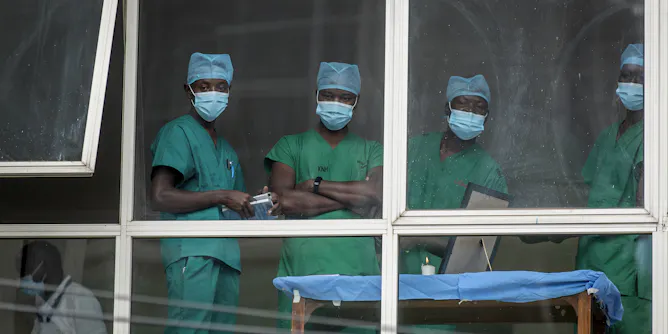
Building on a storied history of engagement that supersedes partisan politics, there is no time to lose for Canada to strategically renew its role in global health.
Articles on World Health Organization (WHO)
Displaying 41 - 60 of 491 articles
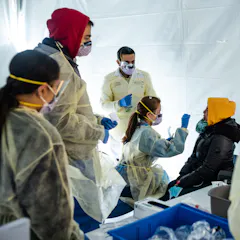
More than a century ago, the US learned what happens when there is no national response to a major health crisis.

A sugar-sweetened beverage tax is effective in reducing sugar consumption and should be increased for health reasons, researchers argue.
The past holds lessons for how Canada can sustain global order in an ‘America First’ world.
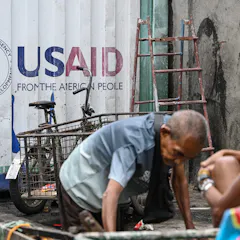
USAID has a decades-long history of fighting smallpox, polio, malaria, tuberculosis and HIV.
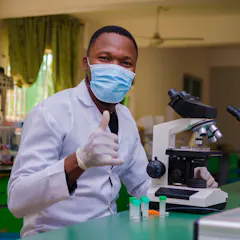
Foreign aid has helped, but it leaves African countries vulnerable to the political mood swings of funders.

The organisms that cause greening are highly concentrated in Kenya’s shallow Winam Gulf.

Trump’s power is not absolute. It is constrained by the relative decline in US power in the world.
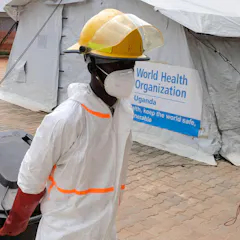
Uganda has confirmed an outbreak of Sudan virus disease, with the first case linked to a 32-year-old nurse in Kampala.
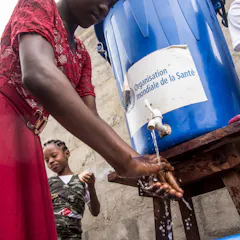
US withdrawal from the WHO and of all foreign aid will have dire consequences for Africa. It’s time the continent took responsibility for its own people.
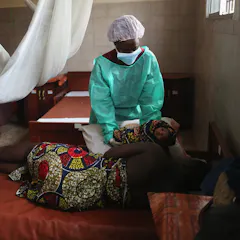
Breastfeeding mothers and their babies have largely been neglected in Ebola research. This needs to change.
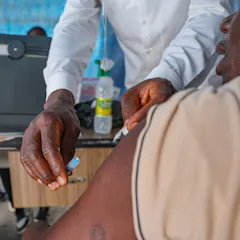
Nigeria needs to step up disease prevention and control and decentralise disease surveillance as the US pulls donor funding.

It’s a positive step, but there will be a few challenges to realising the full benefits to public health.
The US withdrawal from the WHO will have a severe impact on HIV, polio and many other health programmes on the African continent.
Modern global regulatory bodies should draw upon the repertoire of strategies used by their 1930s predecessors to survive today’s threats.
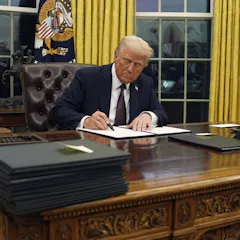
The U.S. withdrawal from WHO has seismic implications on issues like prevention of future pandemics, and the stakes are especially high for Canada.
If the World Health Organization doesn’t reform, other member countries may also jump ship.
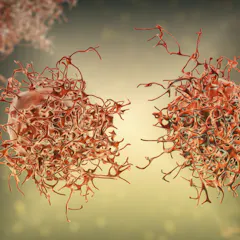
Self-testing and vaccines are effective tools in the fight to eliminate cervical cancer. But without funding and a clear strategy, New Zealand is lagging behind other countries.
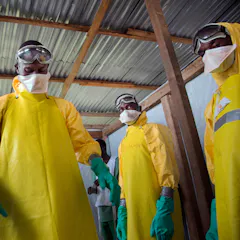
Several dozen people have died from an unknown disease in the DRC, and unknown numbers have become ill. This is why we need better disease surveillance.

While there are plenty of patient perspectives on social media , resources from healthcare professionals are far fewer – and are often lower quality.
Top contributors
-

Associate professor, University of Sydney
-
Fellow, Nigerian Academy of Science
-
Associate Principal Research Fellow, Burnet Institute
-
Professor of Global Biosecurity, NHMRC L3 Research Fellow, Head, Biosecurity Program, Kirby Institute, UNSW
-
Professorial Fellow, University of Canberra
-
Professor of Sociology, USC Dornsife College of Letters, Arts and Sciences
-
Professor and Tier 1 Canada Research Chair in Global Health Governance; Scientific Co-Director, Bridge Research Consortium, Simon Fraser University
-
Professor of Law, University of Waikato
-
Professor of Public Health, La Trobe University
-
Professor of Global Health and Director, O'Neill Institute, Georgetown University
-
Senior Research Fellow in Global Health, University of Southampton
-
Senior Research Scientist, African Population and Health Research Center
-
Professor, Paediatrics and Child Health, UNSW
-
Director of Koi Tū, the Centre for Informed Futures; former Chief Science Advisor to the Prime Minister of New Zealand, University of Auckland, Waipapa Taumata Rau
-
Canada Research Chair of Epidemiology & Global Health, McGill University