
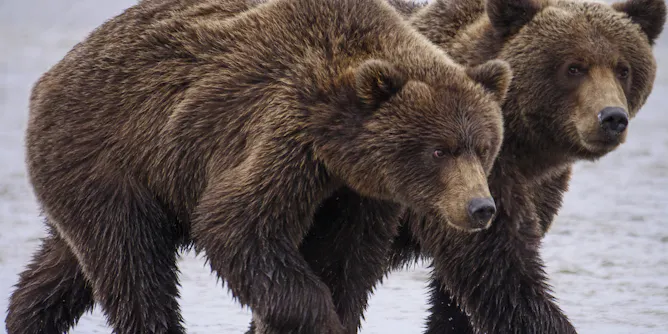
Recent advances in computer vision and other types of artificial intelligence offer an opportunity for facial recognition to apply to bears and other animals.
Articles on Wildlife
Displaying 101 - 120 of 848 articles
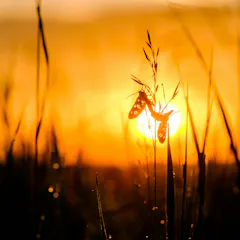
Insects have a range of fascinating ways to keep cool. We can help them too.
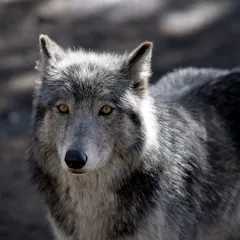
New research shows how identity-driven assumptions can turn common ground into conflict.

Animals feature in sports club logos and become mascots, but their actual populations are declining. What if we turned this sporting attachment into concrete action?
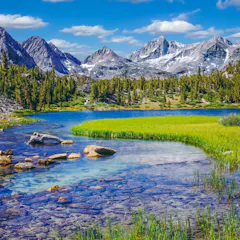
Protecting places that are likely to remain cool and moist as global temperatures rise can save wildlife of all kinds, but first we have to find them.

A small parasite is taking advantage of global warming to wreak havoc: the winter tick is decimating young moose.

Conflict between baboons and humans won’t change unless human behaviour changes.
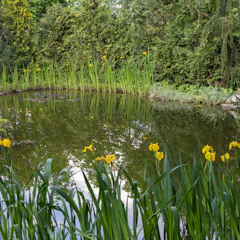
Across Britain, ponds are quietly vanishing. Reviving them is one of the simplest ways to boost biodiversity and climate resilience.

In Borneo’s remote villages, locals earn money by recording wildlife — reshaping conservation and redefining how communities value their forests.
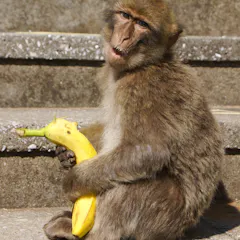
The evolutionary history of human penises is more romantic than you might think.
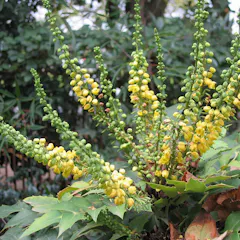
The people who manage America’s aquifers, wetlands, shorelines and recreation areas rely on federal science as they face new and rising risks in a changing climate.
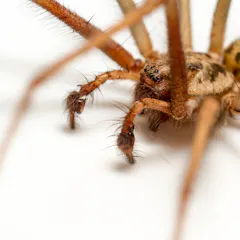
They’ve got better things to be getting on with than plotting with witches.
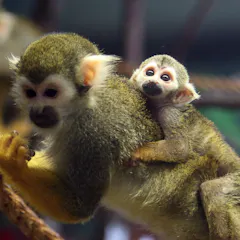
Illegal wildlife trade is one of the largest criminal activities in the world and some black markets are growing each year. Canada’s response remains inadequately prioritized and under-resourced.
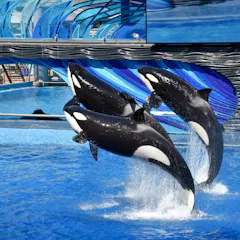
Marineland’s decline reflects a growing debate about the ethics of keeping animals in captivity, and what the future of zoos and aquariums should look like.
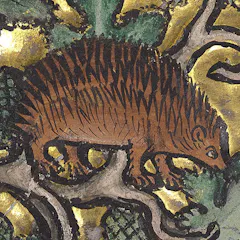
Medieval people believed that witches would transform into hedgehogs to steal milk.
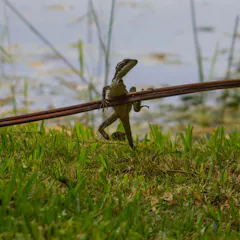
Most lizards probably don’t survive devastating injuries. But a new study documents 122 cases of limb loss across 58 species – these exceptions shine a new light on natural selection.

Many of these extraordinary places are increasingly at risk due to escalating climate change, invasive species, and and a lack of consistent funding to protect them.
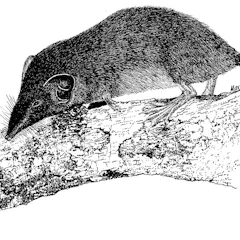
Australia’s only known shrew has been declared extinct. Its loss emphasises the need for national protection of Australia’s rare and unique wildlife.
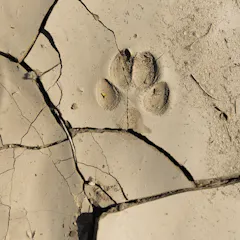
From snails to skunks, squirrels to cicadas, most of our neighbors are quiet and seldom interact with us, but they play important roles in the world.

The new technology will help scientists monitor and protect some of Australia’s most iconic and threatened forest species.
Top contributors
-

Professor in Wildlife Ecology and Conservation, School of Life & Environmental Sciences, Deakin University
-
Professor of Conservation Biology, Charles Darwin University
-
Professor in Ecology, Charles Sturt University
-
University Fellow in Biodiversity, Charles Darwin University
-
Professor in Conservation Science, School of the Environment, The University of Queensland
-
Professor, Urban Ecology and Biodiversity, The University of Melbourne; RMIT University
-
Professor in Conservation Science, School of Ecosystem and Forest Science, The University of Melbourne
-
Senior Researcher and Statistician, University of Hohenheim
-
Distinguished Professor of Ecology, Fenner School of Environment and Society, Australian National University
-
Associate Professor, Global Ecology, University of Sydney
-
Principal Lecturer in Wildlife Conservation, Nottingham Trent University
-
Senior Research Associate, School of Agriculture, Food and Ecosystem Sciences, The University of Melbourne
-
Professor of Environmental Management, The University of Queensland
-
Emeritus professor, La Trobe University
-
Research Associate, Department of International Relations, University of the Witwatersrand; Chief Research Officer, Good Governance Africa; Managing Director, Harvey Economics Pty Ltd.