

Approximately 400,000 bison roam the North American landscape today, of which nearly 90% are considered livestock.
Articles on Wildlife
Displaying 61 - 80 of 848 articles
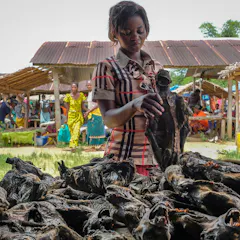
The meat of wild animals, or wild meat, is a big part of the diets of millions of people in central Africa.
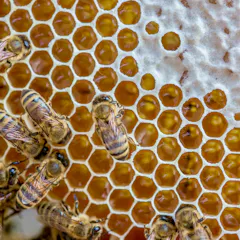
When honey bees get sick, their beekeepers turn to the nation’s premier bee research and disease diagnosis lab for help. That crucial resource is now disappearing.
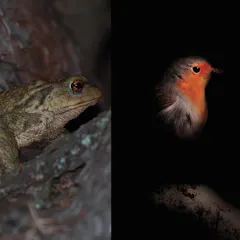
For biodiversity, it’s not just about switching off street lighting, it’s about knowing when and where to turn the lights off.
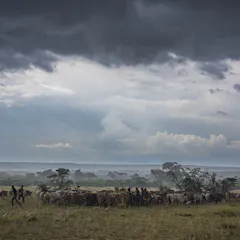
People are central to conservation.

Road counts over 16 years revealed declines in populations of birds of prey in South Africa.
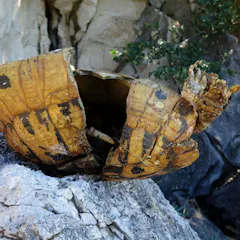
Female tortoises are bearing the brunt of the brutal behaviour of their male counterparts, who are regularly pushing them off cliffs in North Macedonia.

Hitting a large animal at speed can be catastrophic and the risks vary by time of day, season and location.
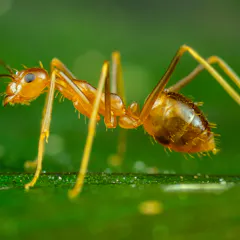
Biological invasions can severely harm the welfare of animals, causing them to suffer. AWICIS is a new framework that can be used to assess the severity of these impacts.
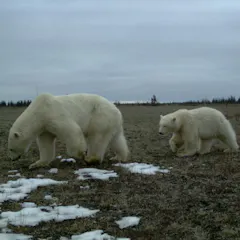
Researchers found that the more time bears were off the ice, the more likely they were to approach human sites.
Who makes the best case?
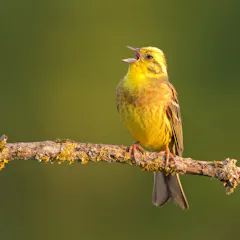
Birds have dialects too.
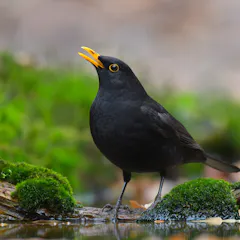
And what it reveals about local ecosystems.
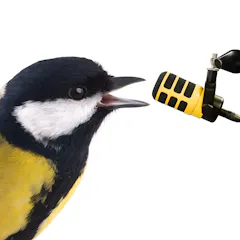
Do the birds singing in your garden or local park remind you of a musician?
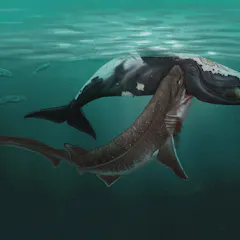
Could new populations of seals and porpoises attract the descendants of some of the large shark species that were thriving in this region 4-5 million years ago?
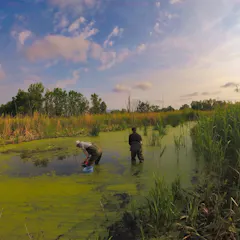
Chernobyl’s exclusion zone has become one of Europe’s biggest nature reserves.

Three of the four new chameleon species found in Mozambique are probably at high risk of extinction.
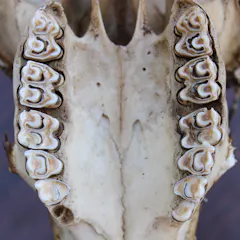
Through fossilized tooth enamel, scientists are reconstructing the diets and landscapes that existed millions of years ago. We really are what we eat.
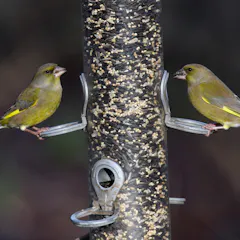
Summer feeding should be paused because this is a time when natural food sources such as caterpillars, bugs and flies, are much more abundant.
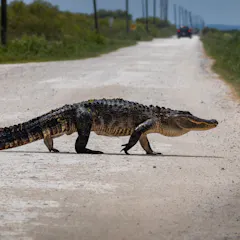
A new mapping tool allows local governments, conservation groups and landowners to understand how their land-use decisions affect wildlife and natural resources.
Top contributors
-

Professor in Wildlife Ecology and Conservation, School of Life & Environmental Sciences, Deakin University
-
Professor of Conservation Biology, Charles Darwin University
-
Professor in Ecology, Charles Sturt University
-
University Fellow in Biodiversity, Charles Darwin University
-
Professor in Conservation Science, School of the Environment, The University of Queensland
-
Professor, Urban Ecology and Biodiversity, The University of Melbourne; RMIT University
-
Professor in Conservation Science, School of Ecosystem and Forest Science, The University of Melbourne
-
Senior Researcher and Statistician, University of Hohenheim
-
Distinguished Professor of Ecology, Fenner School of Environment and Society, Australian National University
-
Associate Professor, Global Ecology, University of Sydney
-
Principal Lecturer in Wildlife Conservation, Nottingham Trent University
-
Senior Research Associate, School of Agriculture, Food and Ecosystem Sciences, The University of Melbourne
-
Professor of Environmental Management, The University of Queensland
-
Emeritus professor, La Trobe University
-
Research Associate, Department of International Relations, University of the Witwatersrand; Chief Research Officer, Good Governance Africa; Managing Director, Harvey Economics Pty Ltd.