

When rats and mice are introduced to islands, they can eat native invertebrates to extinction. When rodents are eradicated, recovery begins.
Articles on Endangered species
Displaying 1 - 20 of 578 articles
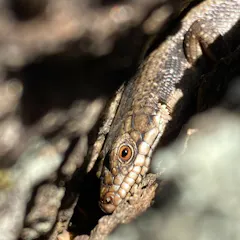
Many reptiles rely on rocky areas to find food, escape predators and reproduce.
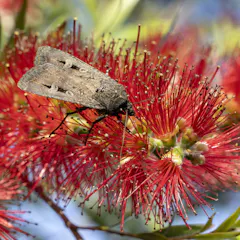
These unassuming insects are increasingly under pressure from climate change.

As climate change and human disturbance accelerate, delays in implementing protections can have irreversible consequences for wildlife.
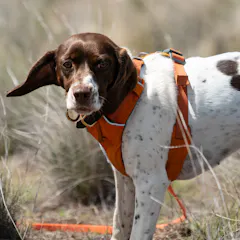
Highly trained canines, Sugar and Moss, are helping protect the critically endangered Victorian grassland earless dragon.
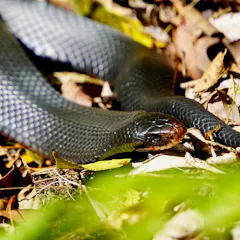
People who love Australia’s reptiles could unwittingly carry deadly fungal diseases from one animal to another. But this is easy to prevent.
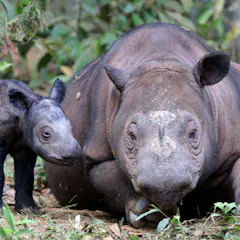
The latest State of the Rhino report reveals the urgent plight of the Javan and Sumatran rhino populations.
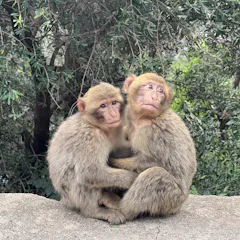
The Barbary macaque is legally protected in Algeria; however, crop losses could increase hostility toward the species if farmers lack practical ways to protect their crops.

The stories of a whale, a panther and a butterfly help explain why new interpretations of the Endangered Species Act could be catastrophic for species’ survival.
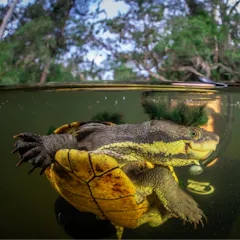
Not all conservation threats come from overseas. Some are our own native animals.
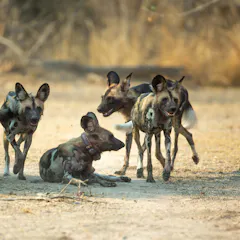
New GPS tracking on African wild dogs found they could travel long distances to find mates, but more than half did not survive the journey.
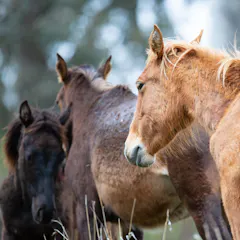
Feral horses can inflict major ecological damage, as two experts explain.
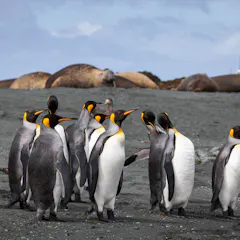
Understanding the true magnitude of the current H5N1 outbreak is key to curbing its spread.
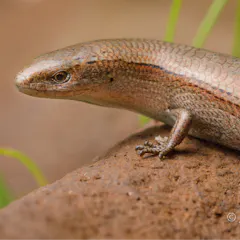
Australia is famous for its lizards and snakes. But we found at least 127 species are threatened – almost twice as many as previously thought.

With H5N1 now in New Zealand, protecting the most threatened birds will involve difficult decisions, careful prioritisation – and sometimes chance.

As bird flu takes hold, we must find and conserve species with less genetic ability to fight the virus.
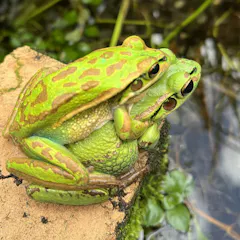
We need to carefully study what happens to frogs after we intervene to save them.
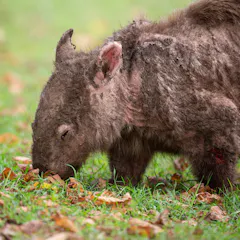
The tiny scabies mite burrows beneath the skin of many animals, including Australia’s bare-nosed wombat.
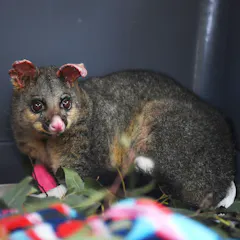
Helping distressed wildlife without seeking advice may sometimes do more harm than good – as two experts explain.
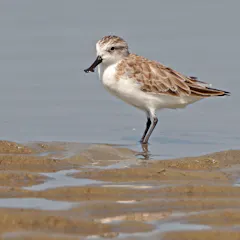
A new global assessment of the world’s migratory species finds reason for alarm, but also hope – and a road map for helping them survive.
Top contributors
-

Professor in Conservation Science, School of the Environment, The University of Queensland
-
Professor in Wildlife Ecology and Conservation, School of Life & Environmental Sciences, Deakin University
-
Distinguished Professor of Ecology, Fenner School of Environment and Society, Australian National University
-
Professor of Environmental Management, The University of Queensland
-
Professor in Conservation Science, School of Ecosystem and Forest Science, The University of Melbourne
-
Professor of Conservation Biology, Charles Darwin University
-
ARC Future Fellow, Queensland University of Technology
-
Professor, Conservation Biology, The University of Queensland
-
Professor in Terrestrial Ecology, Deakin University
-
Lecturer, School of Environment and Science, Griffith University
-
Professor, Urban Ecology and Biodiversity, The University of Melbourne; RMIT University
-
Professor of Wildlife Conservation, Australian National University
-
University Fellow in Biodiversity, Charles Darwin University
-
Lecturer in Conservation, The University of Queensland
-
Professor of Conservation and Sustainable Livelihoods, Charles Darwin University