

Turtles often encounter fences as they wander over land in search of water, or a mate. We tracked 20 turtles to study how they interact with fences. Here’s how to make fences turtle-friendly.
Articles on Wildlife
Displaying 181 - 200 of 848 articles
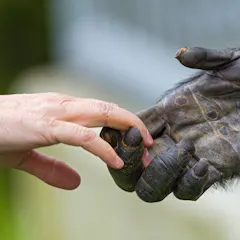
Infectious diseases can spill over from animals to humans as well as spill back. Each cross-species transmission gives pathogens a chance to evolve and spread even further.
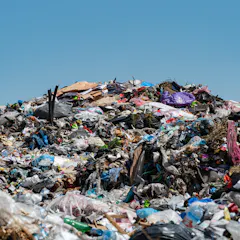
Due to their persistence and toxicity, strict regulation of PCBs should continue to be a top priority.
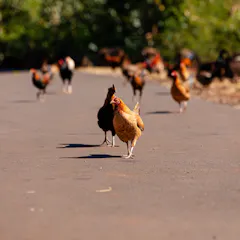
Wherever humans set foot, they bring with them invasive exotic species. Some animals and plants that are particularly useful to humans are now found all around the globe.

Engaging and scientifically accurate children’s books on Australian animals are sorely lacking. Fostering more collaboration between authors and scientists can enrich children’s literature.
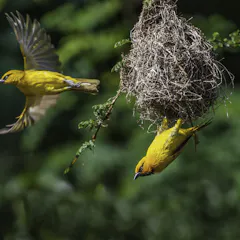
Africa is home to 20% of the world’s bird species, but land-use changes threaten their survival.
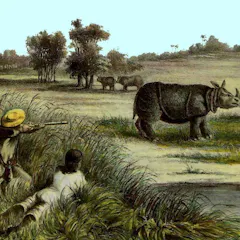
Poaching may have killed more than a third of the world’s Javan rhino in five years.
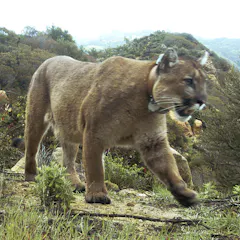
Modern rodenticides can kill rats with a single dose and readily pass up the food chain to larger carnivores. They are widely used and largely unregulated.
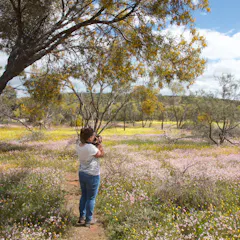
It feels harmless to share a photo of a rare species. But social media can drive great damage to nature, from poaching to baiting to trampling.

One Garden Against the World is a call to action for anyone interested in gardening, conservation or climate change.
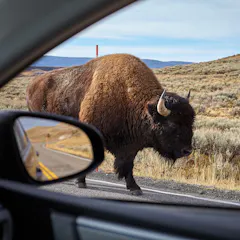
‘Road ecology’ is the focus of Crossings, a powerful new book by environmental journalist Ben Goldfarb.
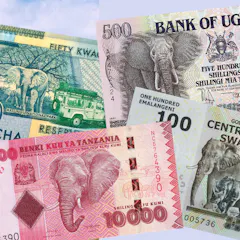
What do you know about your national currency? How about the cash used overseas? We studied wildlife imagery on banknotes around the world. Here’s what we found.

Conflicts between herders and the wild ancestors of their yaks, camels and reindeer are a serious threat to both people and wildlife, writes a scientist who has seen these clashes firsthand.

Defending planes against running into birds is vitally important – and high-speed dead chickens play a surprising role.

Humans aren’t the only animals that have names for each other − and studying animals that use names can teach researchers more about how human names evolved.
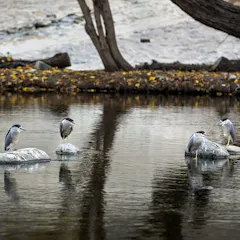
Even in a concrete jungle like Los Angeles, wild species show up in surprising places. New research identifies the types of wildlife that best tolerate urban development.

Giraffe necks are a hot topic among biologists. A new study contradicts an older theory that says male giraffes need long necks to fight over mates.
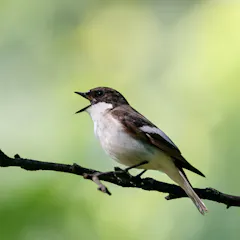
It may not be obvious to the human ear but birds of the same species sing in different dialects.

Starfish reproduce by splitting in two. A new fossil reveals how ancient this ability is.
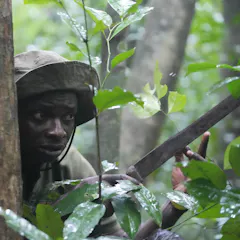
Interventions to prevent crime against wildlife can be effective, but significant gaps in our knowledge remain.
Top contributors
-

Professor in Wildlife Ecology and Conservation, School of Life & Environmental Sciences, Deakin University
-
Professor of Conservation Biology, Charles Darwin University
-
Professor in Ecology, Charles Sturt University
-
University Fellow in Biodiversity, Charles Darwin University
-
Professor in Conservation Science, School of the Environment, The University of Queensland
-
Professor, Urban Ecology and Biodiversity, The University of Melbourne; RMIT University
-
Professor in Conservation Science, School of Ecosystem and Forest Science, The University of Melbourne
-
Senior Researcher and Statistician, University of Hohenheim
-
Distinguished Professor of Ecology, Fenner School of Environment and Society, Australian National University
-
Associate Professor, Global Ecology, University of Sydney
-
Principal Lecturer in Wildlife Conservation, Nottingham Trent University
-
Senior Research Associate, School of Agriculture, Food and Ecosystem Sciences, The University of Melbourne
-
Professor of Environmental Management, The University of Queensland
-
Emeritus professor, La Trobe University
-
Research Associate, Department of International Relations, University of the Witwatersrand; Chief Research Officer, Good Governance Africa; Managing Director, Harvey Economics Pty Ltd.