
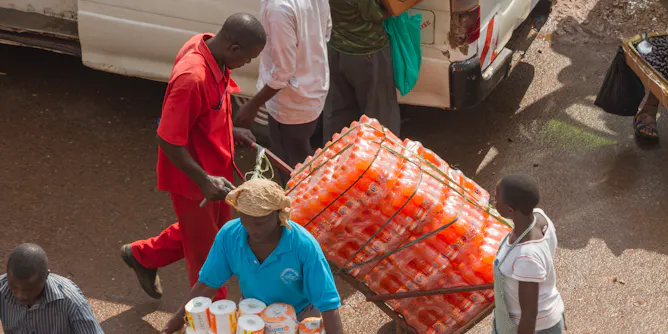
Implementing a sugar-sweetened beverage tax in all African countries will require sufficient political will and support from civil society.
Articles on Uganda
Displaying 221 - 240 of 476 articles
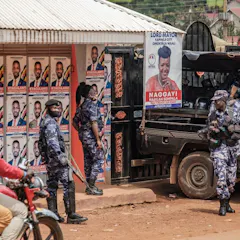
Arbitrary detention and torture are both prohibited under local and international laws.
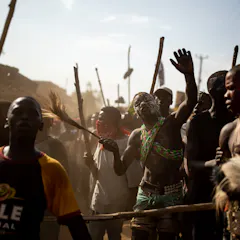
Sacred sites where rituals are performed by the community should be protected as living archives that house local heritage.
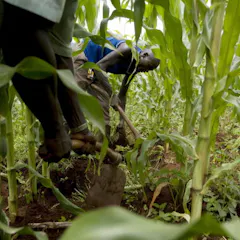
The government intervening to ensure food safety will increase awareness among producers and consumers.

It is often assumed that patrimonial beliefs fuel electoral malpractice whereas civic ones challenge it, but this is an oversimplification.
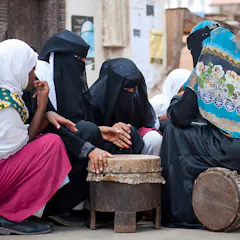
Women’s motivations for joining terrorist networks belie Kenyan media accounts of naive girls manipulated through romantic notions of Jihadi brides or wives.

Africa’s key to future food-nutrition security may depend on the untapped potential of indigenous fruit trees.
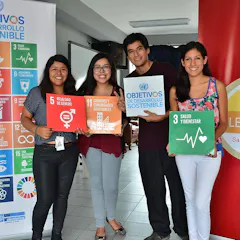
A new report from the GovLab and the French Development Agency (AFD) examines how development practitioners are experimenting with emerging forms of technology to advance development goals.

The International court did not allow Dominic Ongwen’s background to colour the legal determination of his criminal liability.

Former fighters described Ongwen as a model fighter and an effective commander – but testimony in his trial detailed the former child soldier’s alleged personal role in the rape of underage women.

Sex and gender-based offences have become an increasing focus of war crimes trials at the International Criminal Court.
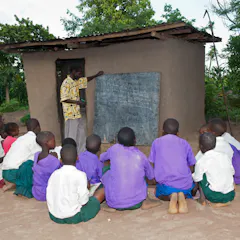
Public participation increased the quality and quantity of some public services, though not in all sectors, and some services were affected more than others.
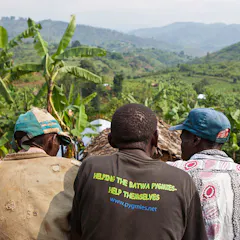
Despite being highly affected by a changing climate, Uganda’s Batwa community lack voice, agency and influence in climate adaptation planning and actions.
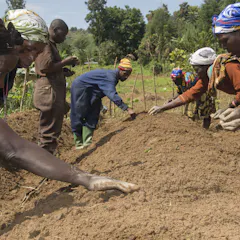
Improved seeds can alleviate a food security crisis deepened by COVID-19.
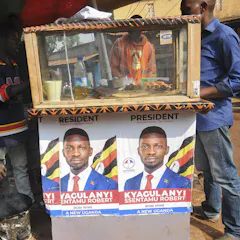
In a bitterly contested election, the government is seeking to control the message by shutting down the internet.

Compensation for losses from wildlife is an increasingly popular conservation intervention. However, a recent review cautions its use.
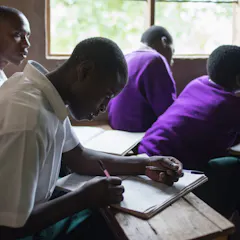
In Uganda, young people’s knowledge of national political institutions, and on how they would claim and advocate for their rights as citizens, was remarkably low.

Their mothers were forcibly married or raped during Uganda’s vicious civil war. Now these children are ‘non people’.
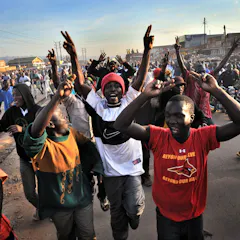
Major challenges in the youth empowerment policy implementation mean that young people don’t benefit from start-up funding.
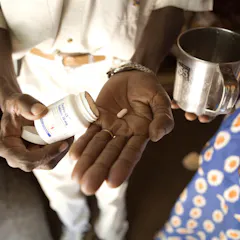
The giant leap in the number of people accessing HIV treatment would not have been possible without task shifting from medical doctors to less-specialised cadres such as nurses and midwives.
Top contributors
-

Professor in International Development, University of Antwerp
-
Research associate at African Centre for Cities, University of Cape Town
-
Lecturer in Law, University of East London
-
Research Fellow at the Centre for Planetary Health and Resilient Conservation Group, Griffith University
-
Professor and Chair, Southwestern Environmental Science and Policy, Northern Arizona University
-
Health Systems Researcher, Makerere University
-
Professor/Senior Research Fellow, Centre for Advancement and Senior Non-Resident Fellow, Global Development Policy Center, Boston University of Scholarship, University of Pretoria
-
Lecturer, Department of African Languages, Makerere University
-
Professor of International Relations, Norwegian University of Life Sciences
-
Professor of Anthropology and International Development, The University of Western Australia
-
Senior Researcher at the Feinstein International Center, Tufts University, and Research Associate at the Refugee Studies Centre, University of Oxford
-
Professor of World Politics, SOAS, University of London
-
Postdoctoral Research Associate, King's College London
-
Lecturer and Senior Research Fellow at the South African Research Chair in International Law (SARCIL), University of Johannesburg
-
Professor of Democracy, University of Birmingham