
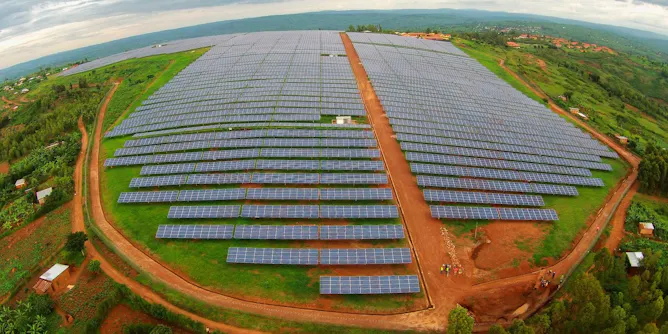
Only 10% of the population had electricity 25 years ago in Rwanda. A mass electrification programme changed everything but came at a steep cost.
Articles on Rwanda
Displaying 1 - 20 of 326 articles
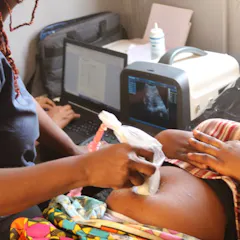
Eliminating disrespect and abuse during childbirth is a global health priority.
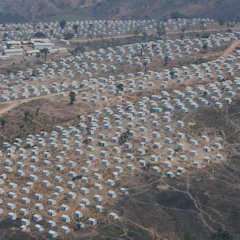
Silence is a way through which Burundians navigate political uncertainty.
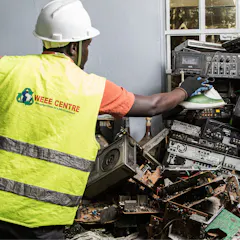
Africa’s circular economy is already at work in repair shops and scrap yards. Backing the people who keep goods in use could cut waste and create better jobs.

Recognising Pillay is an affirmation of what has been achieved, but also about what must not be lost.
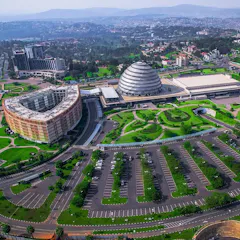
The Rwandan case demonstrates the potential to use pension fund assets for strategic investments in the national economy.

History suggests that without legal and moral accountability, reconciliation and durable peace will remain elusive.
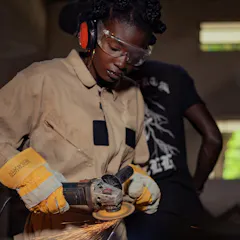
Youth employment programmes need to be built around real jobs, capable institutions and the young people they are meant to serve.
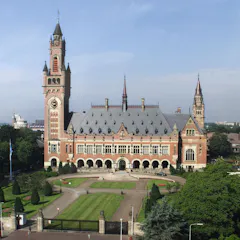
The DRC is making a third attempt to bring Rwanda before the world’s highest court in relation to the violence in its eastern region.
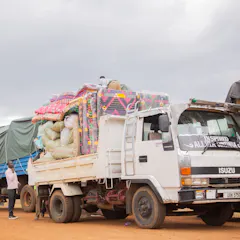
Africa does not need another grand vision. It needs to treat the vision it already has as a discipline.

Instead of following European models, countries should take a more considered and contextualised approach to address AI risks.

The Ebola outbreak in the DRC has the potential to become huge and of long duration.
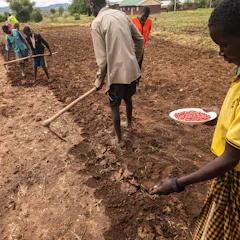
Figuring out how climate change will cause plant disease and pests to spread across Africa’s Great Lakes farms is critical for future food supplies.
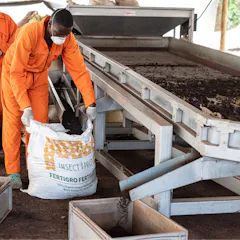
African food systems import 80% of the fertiliser they need. With Iran as a major producer, supplies are now limited and farming with less fertiliser is important.
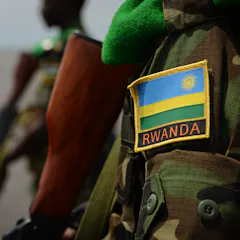
Rwanda pulling its troops out of Mozambique risks creating a security vacuum in the restive Cabo Delgado province.
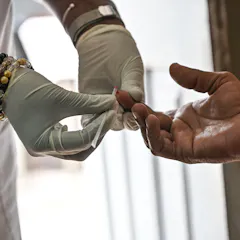
African countries must not sign away their health data or release their pathogens in exchange for donor funding.
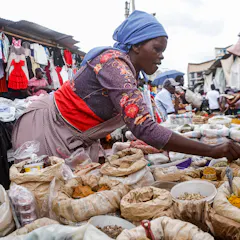
Technology can help countries with high levels of informal workers build stronger tax systems, if there are strong foundations and the right incentives.

What happens when promises of increased tourism revenue and reduced environmental impact aren’t met?
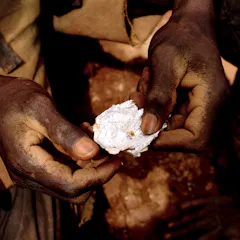
Minerals are tied intimately with conflict, at both ends of the supply chain.
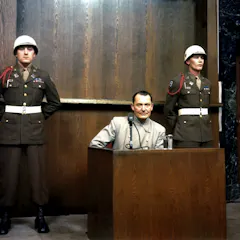
Nuremberg, often called ‘history’s greatest trial’, officially opened on October 18 1945. It held senior Nazi leaders to account for war crimes during the Holocaust.
Top contributors
-

Postdoctoral Research Associate, King's College London
-
Associate Professor of International Studies, University of Nottingham
-
Vice Chancellor, University of Global Health Equity
-
Lecturer in Political Science, Binghamton University, State University of New York
-
Senior Researcher at the Feinstein International Center, Tufts University, and Research Associate at the Refugee Studies Centre, University of Oxford
-
Visiting Researcher, University of Leeds
-
Reader in Politics, Governance and Development, Global Development Institute, University of Manchester
-
Professor in International Development, University of Antwerp
-
Lecturer, UMass Boston
-
Honorary Professor of International Relations, University of the Witwatersrand
-
Professor of International Politics, SOAS, University of London
-
Associate Professor, University of Antwerp
-
Postdoctoral fellow, Johns Hopkins University
-
Professeur des universités, Université Paris 1 Panthéon-Sorbonne
-
Research Affiliate, University of Pretoria