
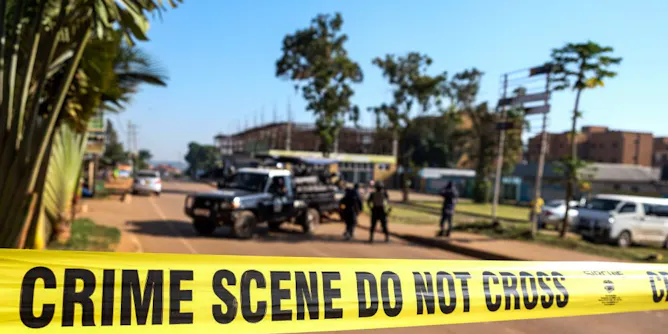
Uganda uses unpredictability to combine democratic institutions with authoritarian power.
Articles on Uganda
Displaying 181 - 200 of 476 articles
Receiving any text message increased the likelihood that an individual would pay their tax.

Uganda launches a bottom-up approach to shift development planning to grassroots level.
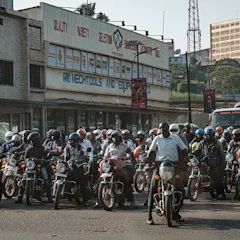
Kampala’s current transport system is not working to the benefit of its users, its operators or the government. It is not providing a mobility service.

The case raises the question of what happens when a court that’s designed to keep international peace starts assigning crippling damage awards.
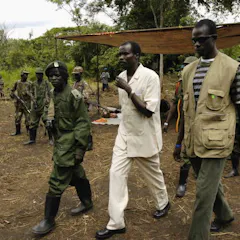
Fresh efforts to capture Kony comes amid growing influence of Russia in the Central African Republic.
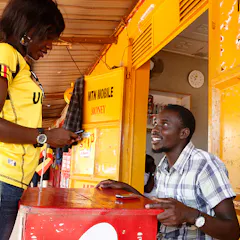
E-payments make it easy for banks to keep trail of transactions because they are recorded in real time.

Whereas digital work can bring freedom and flexibility into the lives of workers in Africa, it can also contribute towards their precarity and vulnerability.
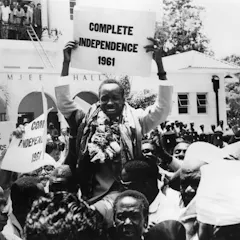
Over two millennia, Swahili has built bridges among people across Africa and into the diaspora.
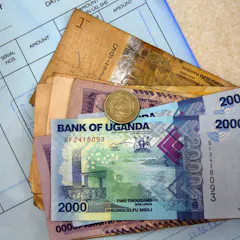
It’s individuals, communities, and institutions who build the necessary confidence to pursue complex and challenging solutions to their problems.
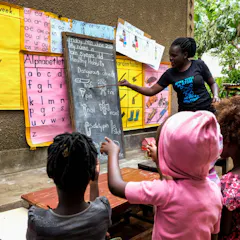
Emerging evidence shows that, for young people, the effects of COVID on education have already been devastating.
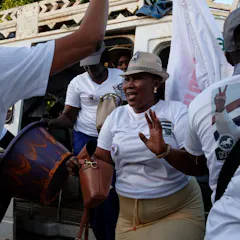
Temporary measures such as legislative gender quotas can increase women’s access to political participation.

Adolescents and young people should get involved early in the design, planning and scale up of interventions.

A decision to merge energy sector agencies could depress investors’ appetite to finance infrastructure expansion.

There is more to ethnic identity than ancestral location or settlement pattern, language or family history.
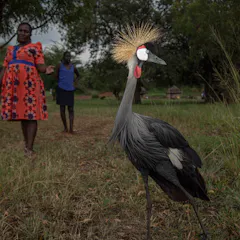
The reduction of foreign tourism is an opportunity for Africans to experience many of the continent’s premier parks at a discount.
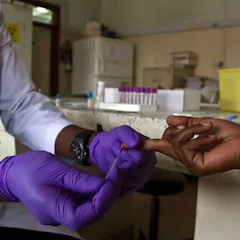
HIV services must be comprehensive to ensure that people take their medication as prescribed and avoid onward transmission of the virus.
Even before the advent of COVID-19, donors had begun to exit HIV programmes with increasing frequency.

All terrorism in the region has domestic origins but is linked to regional and international events.

It has long been clear that some countries have drug policies that cause harm and violate human rights.
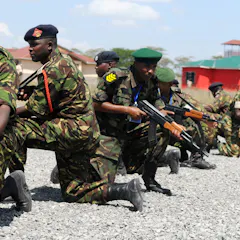
Military expenditure is a relevant policy option in reducing the negative effect of terrorism on economic growth in Africa.
Top contributors
-

Professor in International Development, University of Antwerp
-
Research associate at African Centre for Cities, University of Cape Town
-
Lecturer in Law, University of East London
-
Research Fellow at the Centre for Planetary Health and Resilient Conservation Group, Griffith University
-
Professor and Chair, Southwestern Environmental Science and Policy, Northern Arizona University
-
Health Systems Researcher, Makerere University
-
Professor/Senior Research Fellow, Centre for Advancement and Senior Non-Resident Fellow, Global Development Policy Center, Boston University of Scholarship, University of Pretoria
-
Lecturer, Department of African Languages, Makerere University
-
Professor of International Relations, Norwegian University of Life Sciences
-
Professor of Anthropology and International Development, The University of Western Australia
-
Senior Researcher at the Feinstein International Center, Tufts University, and Research Associate at the Refugee Studies Centre, University of Oxford
-
Professor of World Politics, SOAS, University of London
-
Postdoctoral Research Associate, King's College London
-
Lecturer and Senior Research Fellow at the South African Research Chair in International Law (SARCIL), University of Johannesburg
-
Professor of Democracy, University of Birmingham