
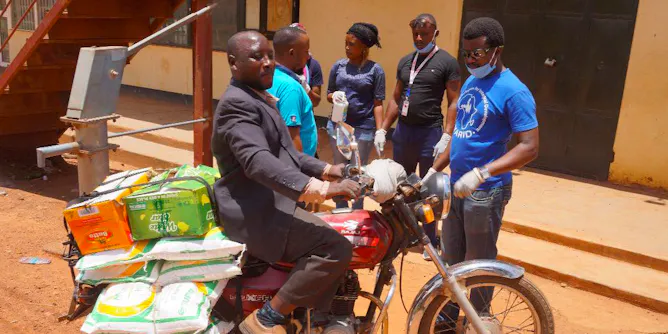
Refugee-led organisations in camps and cities in Uganda are at the frontline of the response to COVID-19 response.
Articles on Uganda
Displaying 261 - 280 of 476 articles
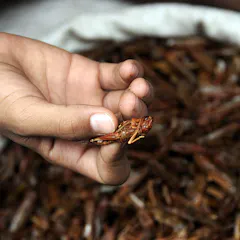
Eating locusts is an old strategy used to get food after locusts devastated crops, but things have changed.

The terror group uses the proceeds of criminal activity to support its political agenda.
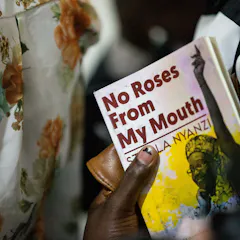
Written from prison, the new book of poems by the writer, academic and activist shows her fire but also her deep love for Uganda.
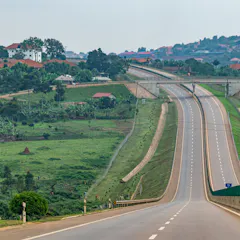
International financing for massive infrastructure projects can create new problems for African cities.
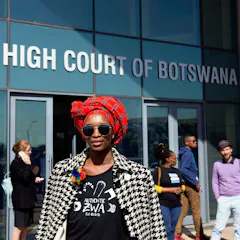
Predominant public sentiment remains largely anti-homosexual and overshadows constitutionally guaranteed rights in Africa.

In some communities, over a quarter of the children were misclassified as iron replete whereas they were iron deficient.
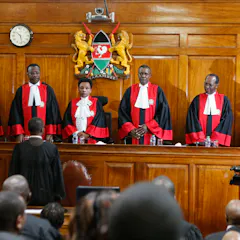
By pushing their usually valid complaints onto the streets and the courts, opposition leaders deny governments the popular goodwill and international credibility they need to govern effectively.
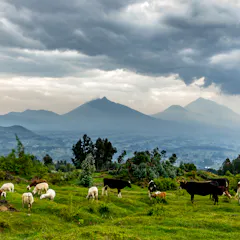
The interdependency between humans, animals and the environment is becoming more pronounced. This calls for an interdisciplinary approach to health problems.
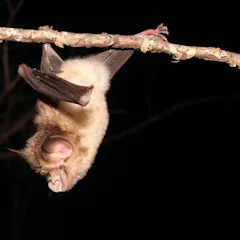
Understanding the many factors that may play a role in spillover of pathogens from bats to humans requires systematic surveillance of bat populations.

Lake Victoria’s past is key to understanding its future.
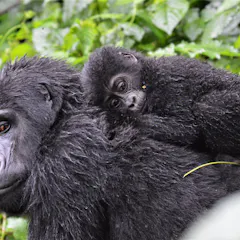
Surveys are likely to have missed multiple groups and individuals due to differences in survey techniques.
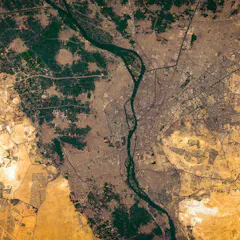
Despite more rainfall, devastating hot and dry spells are projected to become more frequent in the Upper Nile basin in the future.
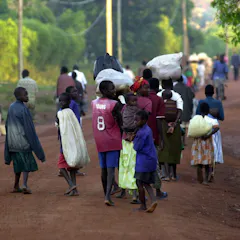
Displaced by a landslide, Ugandan survivors could not speak the language of the region where they were relocated - but music allowed them a voice.

In Eswatini, Botswana, South Africa and Lesotho more than 1 in 5 children are HIV-exposed but uninfected. A coordinated strategy is needed to ensure all children reach their developmental potential.
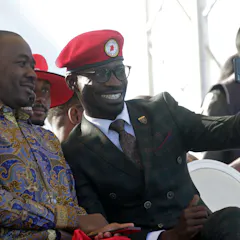
Bobi Wine in Uganda does it; so do the Economic Freedom Fighters in South Africa. The red beret is worn to signify the revolutionary. Its power lies in a symbolism that combines art and politics.
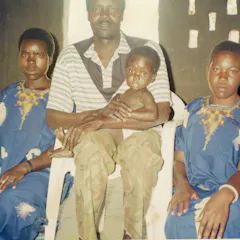
Photographs give unprecedented insight into the lives and humanity of those involved in the Ugandan rebel movement.
Africa is known to be where humans originated. This makes it the most genetically diverse region in the world. Diversity in other populations represents a subset of the diversity within Africa.

African literary prizes are slowly becoming more relevant and richer, thanks to writers organising on the continent.
When governments have evidence, they are better placed to develop health policies and programmes.
Top contributors
-

Professor in International Development, University of Antwerp
-
Research associate at African Centre for Cities, University of Cape Town
-
Lecturer in Law, University of East London
-
Research Fellow at the Centre for Planetary Health and Resilient Conservation Group, Griffith University
-
Professor and Chair, Southwestern Environmental Science and Policy, Northern Arizona University
-
Health Systems Researcher, Makerere University
-
Professor/Senior Research Fellow, Centre for Advancement and Senior Non-Resident Fellow, Global Development Policy Center, Boston University of Scholarship, University of Pretoria
-
Lecturer, Department of African Languages, Makerere University
-
Professor of International Relations, Norwegian University of Life Sciences
-
Professor of Anthropology and International Development, The University of Western Australia
-
Senior Researcher at the Feinstein International Center, Tufts University, and Research Associate at the Refugee Studies Centre, University of Oxford
-
Professor of World Politics, SOAS, University of London
-
Postdoctoral Research Associate, King's College London
-
Lecturer and Senior Research Fellow at the South African Research Chair in International Law (SARCIL), University of Johannesburg
-
Professor of Democracy, University of Birmingham