
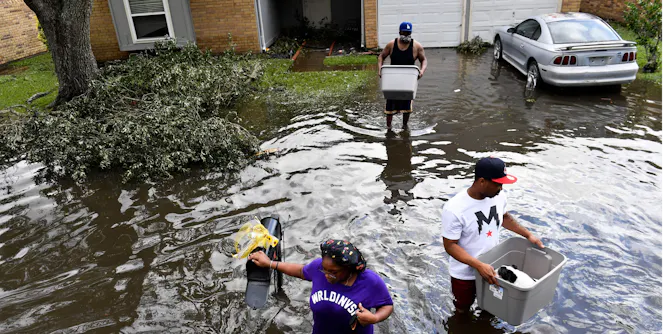
The most vulnerable communities are being pushed deeper into poverty with each climate-related disaster. Part of the problem is that government aid helps the wealthiest people most.
Articles on Natural disasters
Displaying 301 - 320 of 703 articles
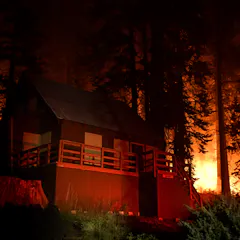
Private companies rate all kinds of investments, from stocks to used cars. Now, they’re starting to analyze climate risks to local real estate – but how reliable are their findings?

Failures to respond adequately to the floods that hit Germany and Luxembourg in July 2021 must teach us how to prepare for future climate disasters.
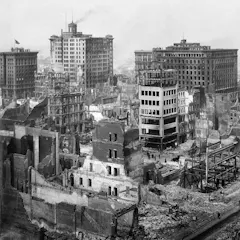
Today’s building codes were implemented as a result of devastating natural disasters that resulted in the loss of human lives and billions of dollars. But they aren’t retroactively applied.
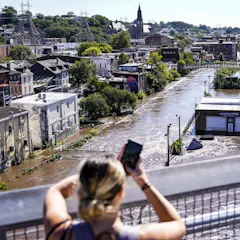
More than half of the world’s population lives in cities, and that share is growing. Rapid climate change could make many cities unlivable in the coming decades without major investments to adapt.
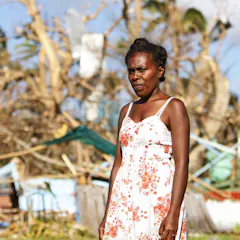
As climate change amplifies the frequency and severity of extreme weather events, evacuations are likely to become increasingly common and costly – in human and economic terms.
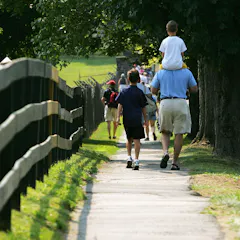
If rural communities plan carefully – and some already are – they can reinvent themselves as the perfect homes for people fleeing wildfire and hurricane zones.
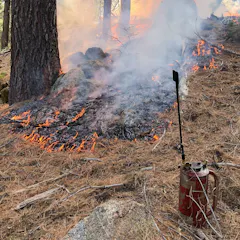
Two forest researchers whose own communities were threatened by fires in 2021 explain how historic policies left forests at high risk of megafires.
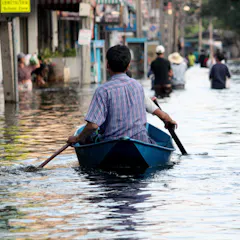
Foreign trade outsources both emissions and environmental hazards.
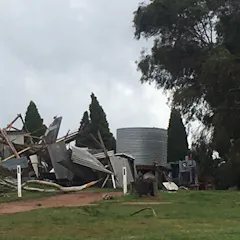
Australia has expansive areas of flat land — usually agricultural land — and it’s over these large, flat areas that tornadoes like to form.

When a disaster strikes, you may be stuck for days without power or safe running water. Or you might only have time to grab a bag and go.
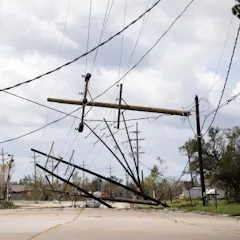
Building even more power poles and transmission lines won’t avert outages when major disasters strike.
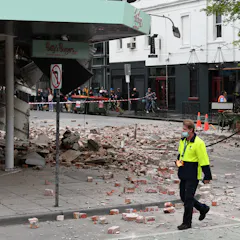
In 1989, Newcastle was hit by Australia’s deadliest earthquake, but high-rise development in the city’s CBD has continued nonetheless. Australia needs a consistent planning code for earthquake risk.
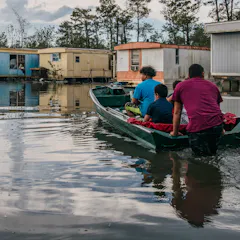
As the state copes with hurricanes and climate disasters, it is figuring out how to manage the slow-motion loss of its coastal land. But its plans could endanger the cultures that define the region.
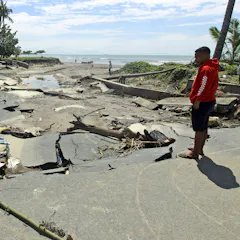
Overlooking people with disability in disaster preparations and responses makes them even more vulnerable. A new partnership has shown they can play meaningful and active roles.
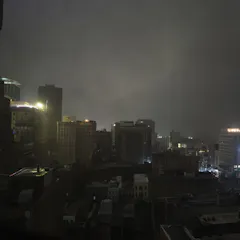
Hurricane Ida left the entire city of New Orleans in the dark and renewed discussion of burying power lines. But there’s no way to completely protect the grid, above ground or below.

The COVID-19 pandemic and a growing global refugee crisis have shone a light on the ever-increasing need for new approaches to mental health treatment.
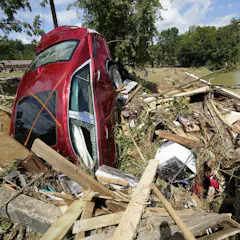
By mimicking the human brain, autonomous drones could locate victims in hard-to-reach places and alert responders to their location within seconds.
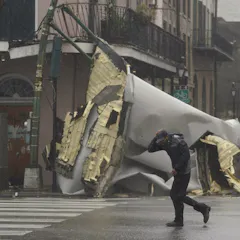
The New Orleans region is likely to see a hurricane about every seven years and a major hurricane about every 20.

Water-related hazards are exceptionally destructive, and the impact of climate change on extreme water-related events is increasingly evident, a lead author of the new report warns.
Top contributors
-

Professor of Geology and Environmental Geosciences, University of Dayton
-
Honorary Professor of Hazards and Disaster Risk Sciences, University of Sydney
-
Professor of Climate Science, UMass Lowell
-
Associate Professor of Landscape Architecture and Urban Planning, Texas A&M University
-
Professor of Disasters and Health, UCL
-
Professor Emeritus of Geography, Louisiana State University
-
Clinical Assistant Professor of Education, Health and Behavior Studies, University of North Dakota
-
Professor of Political Science, Public Policy and Urban Affairs, Northeastern University
-
Scientia Professor and ARC Laureate Fellow, Kaldor Centre for International Refugee Law, UNSW
-
Professor of Geography, University of Tennessee
-
Professor of Earthquake Science, The University of Melbourne
-
Associate Professor of Civil Engineering, Boise State University; United Nations University
-
Professor of Public Administration, Binghamton University, State University of New York
-
Associate Professor of Human Geography, University of Tasmania
-
Principal Investigator FiRES Project (SNSF Consolidator Grant), ETH Zürich, Switzerland // Honorary Associate Professor, University of Wollongong, Australia.