
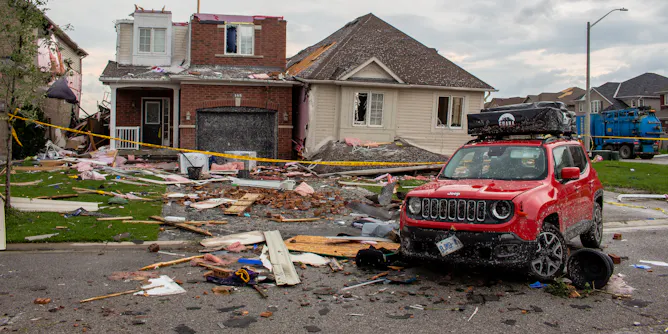
Current building codes do not include the most efficient way to keep houses standing and intact during tornadoes.
Articles on Natural disasters
Displaying 321 - 340 of 703 articles
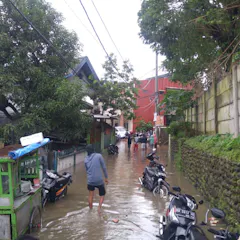
Residents of flood-prone areas have been counting on local knowledge and community support to deal with floods for centuries. Can scientists work with them to better understand floods?
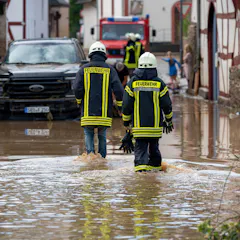
Catastrophic floods in north-western Europe have shown how badly early warning systems can fail.
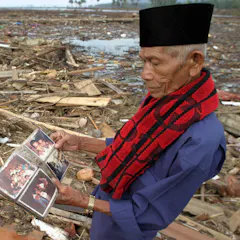
In the immediate aftermath of an event like the 2004 Indian Ocean tsunami, the path forward is not always clear. Looking backward, what have we learned?
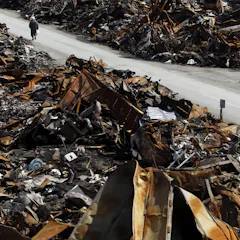
Japan has a long experience of hazards and disasters. Yet it does not seem like all lessons have been applied when it comes to COVID.
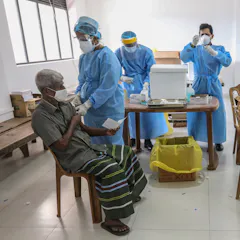
Natural disaster is a misnomer. Disasters occur due to societal failures, not nature.
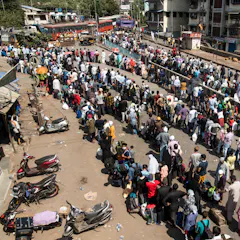
India had the legal ability to classify migrant workers as internally displaced and offer them protection, but instead they were marooned and left to the mercy of fate.
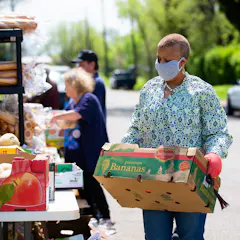
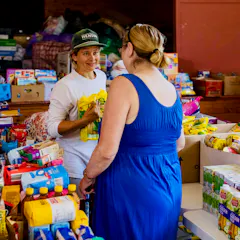
COVID has exposed how vulnerable Australia’s food charities are in times of crisis. But we can prepare for the next disaster.
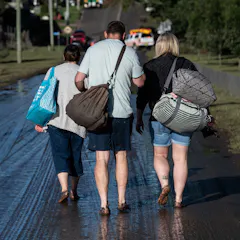
Many flood-ravaged homes have not been repaired, while others are infested with mould. Farmers are dealing with financial stress and the memories of livestock killed in traumatic circumstances.
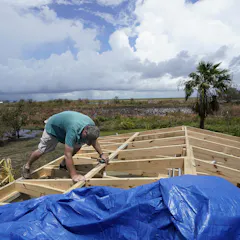
Federal weather scientists are pushing to make the US more ‘weather-ready,’ which could mean prepping for fires, flooding or storms depending on where you live. The common factor: thinking ahead.

Social inequalities worsen storm damage and challenge disaster recovery, increasing class divides over time.
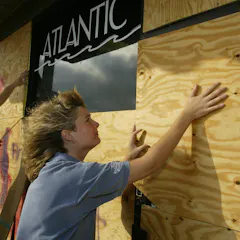
New Orleans has about a 40% chance of getting hit by a tropical storm in any given year. Here’s how heat, winds and the shape of the seafloor raise the hurricane damage risk.
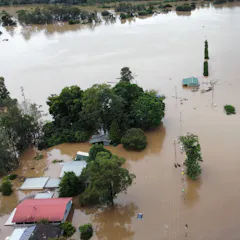
To understand the different economic impacts of natural disasters, we looked at 47 major floods and 36 major bushfires in Australia.
Australia can take great strides forward in climate policy and action. A reactionary, incremental approach to adaptation will fall short. Now is the time to think big.
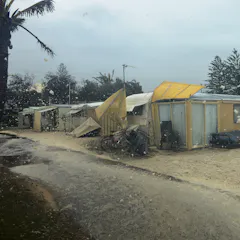
Low-income retirees have long found affordable housing in caravan parks and relocatable home estates. But they are becoming harder to find, and often come with a risk of hazards such as flooding.
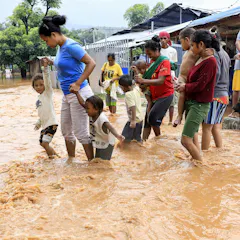
In flood-ravaged Dili, COVID-19 restrictions were abandoned as the disaster unfolded. But it means an already escalating pandemic situation may spiral out of control.
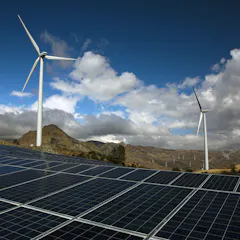
The US electricity grid is actually five regional grids, and it’s hard to share power between them. A macrogrid could bridge the gaps, making electricity cheaper and more reliable.
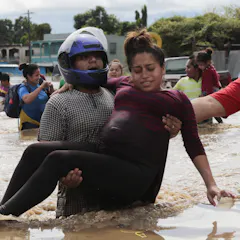
Flood-related stress can have a negative impact on pregnant mothers and their unborn babies. But our research found there are many strategies that can limit the harm.
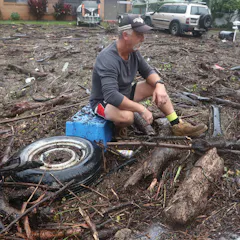
Evacuation and relief centres are often the first place disaster-affected people go, and should provide a minimum standard of living and care. But this standard is not always met.

Misunderstanding disaster warnings can have catastrophic consequences for people who don’t speak the language used for emergency communications.
Top contributors
-

Professor of Geology and Environmental Geosciences, University of Dayton
-
Honorary Professor of Hazards and Disaster Risk Sciences, University of Sydney
-
Professor of Climate Science, UMass Lowell
-
Associate Professor of Landscape Architecture and Urban Planning, Texas A&M University
-
Professor of Disasters and Health, UCL
-
Professor Emeritus of Geography, Louisiana State University
-
Clinical Assistant Professor of Education, Health and Behavior Studies, University of North Dakota
-
Professor of Political Science, Public Policy and Urban Affairs, Northeastern University
-
Scientia Professor and ARC Laureate Fellow, Kaldor Centre for International Refugee Law, UNSW
-
Professor of Geography, University of Tennessee
-
Professor of Earthquake Science, The University of Melbourne
-
Associate Professor of Civil Engineering, Boise State University; United Nations University
-
Professor of Public Administration, Binghamton University, State University of New York
-
Associate Professor of Human Geography, University of Tasmania
-
Principal Investigator FiRES Project (SNSF Consolidator Grant), ETH Zürich, Switzerland // Honorary Associate Professor, University of Wollongong, Australia.