
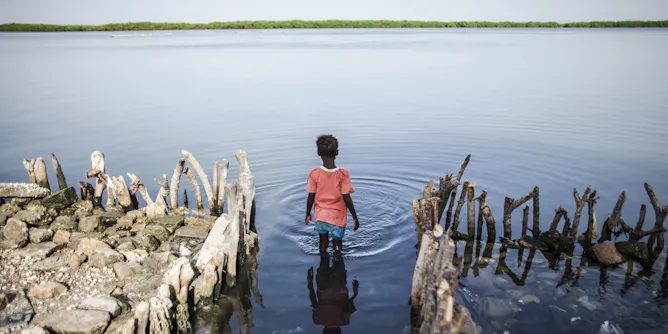
Among the human rights under threat are the rights to life, health, food, a healthy environment, water, an adequate standard of living and culture.
Articles on Natural disasters
Displaying 361 - 380 of 703 articles
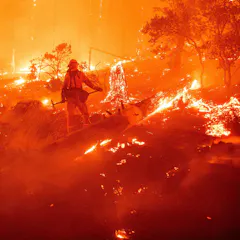
The 2020 wildfire season shattered records across the West. It’s part of a trend that’s headed in a dangerous direction.
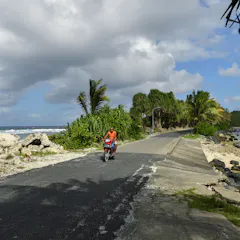
If only 1% of the Pacific’s population was permitted to work permanently in Australia, this would bring more benefits to the region than Australia’s annual aid contribution.
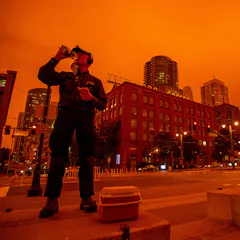
To understand the risks of wildfire smoke, it helps to understand the chemicals people are breathing.
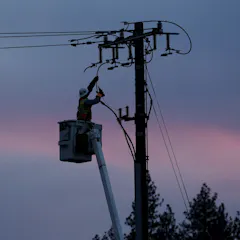
In an era of climate change and extreme weather, a microgrid — a self-sufficient, energy-generating distribution and control system — puts communities on the path to self-reliance.
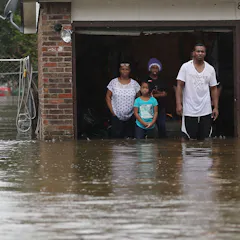
New risk models show nearly twice as many properties are at risk from a 100-year flood today than the government’s flood maps indicate.

Women want to start breastfeeding again for a range of reasons, including during the COVID-19 pandemic. Here’s what’s involved.
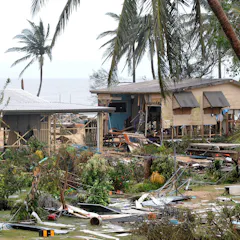
A new statistical model predicts the number of tropical cyclones up to four months before the start of the season from November to April.
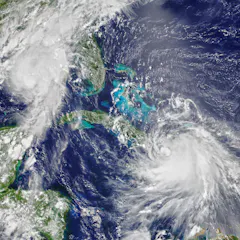
It’s only happened twice since naming started in 1950, and there’s an unusual twist to where many of the storms formed this year.
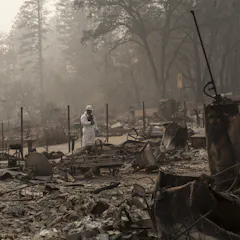
Two environmental engineers say governments need to do more to protect people from possible water contamination after wildfires.
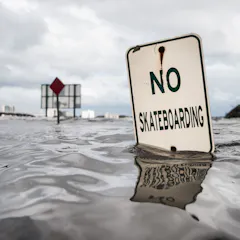
How destructive storm surge gets depends on both the hurricane and the shape of the land.
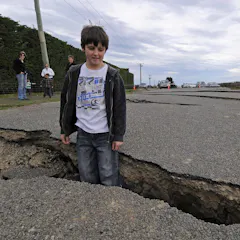
We might not be able to predict the next big earthquake, but we can make sure we’re ready for it and understand the risks.
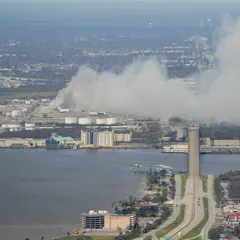
A storm-driven chlorine gas release in a vulnerable community is the type of worst-case scenario that scientists and engineers have warned about for decades.
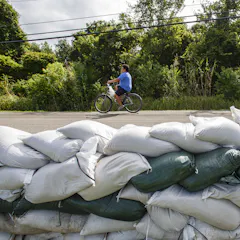
Knowing what makes an effective response to natural disasters will be increasingly important as the climate crisis intensifies.
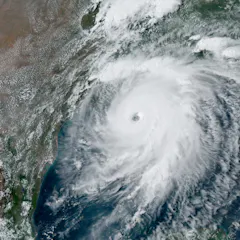
Laura went from a tropical storm to a major hurricane in less than 24 hours, sending coastal residents scrambling to prepare. Hurricanes Harvey and Michael exploded in strength in similar ways.
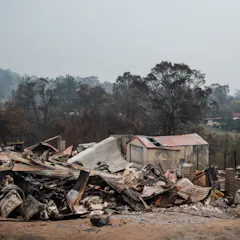
Damage to septic tanks is one of the major health hazards people face when they return to their bushfire-affected homes. It was simply dumb luck a disease outbreak didn’t happen last summer.
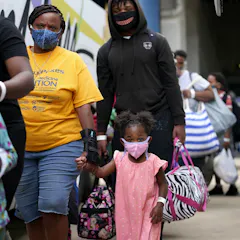
Disaster preparation and evacuation procedures weren’t made for social distancing. The pandemic means response decisions are now fraught with contradictions.
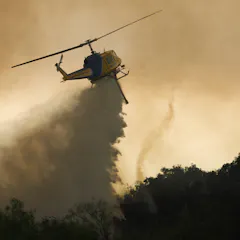
Persistent heat waves and dry lightning are part of the problem. For firefighters, the erratic behavior gets dangerous quickly.
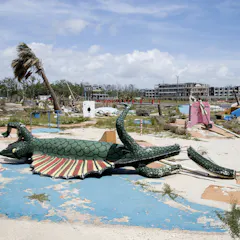
After the news media move on from a major disaster site, rebuilding continues for years.
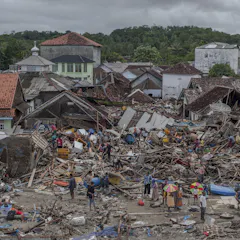
Massive landslides can trigger destructive and deadly tsunamis, and climate change could make them worse.
Top contributors
-

Professor of Geology and Environmental Geosciences, University of Dayton
-
Honorary Professor of Hazards and Disaster Risk Sciences, University of Sydney
-
Professor of Climate Science, UMass Lowell
-
Associate Professor of Landscape Architecture and Urban Planning, Texas A&M University
-
Professor of Disasters and Health, UCL
-
Professor Emeritus of Geography, Louisiana State University
-
Clinical Assistant Professor of Education, Health and Behavior Studies, University of North Dakota
-
Professor of Political Science, Public Policy and Urban Affairs, Northeastern University
-
Scientia Professor and ARC Laureate Fellow, Kaldor Centre for International Refugee Law, UNSW
-
Professor of Geography, University of Tennessee
-
Professor of Earthquake Science, The University of Melbourne
-
Associate Professor of Civil Engineering, Boise State University; United Nations University
-
Professor of Public Administration, Binghamton University, State University of New York
-
Associate Professor of Human Geography, University of Tasmania
-
Principal Investigator FiRES Project (SNSF Consolidator Grant), ETH Zürich, Switzerland // Honorary Associate Professor, University of Wollongong, Australia.