
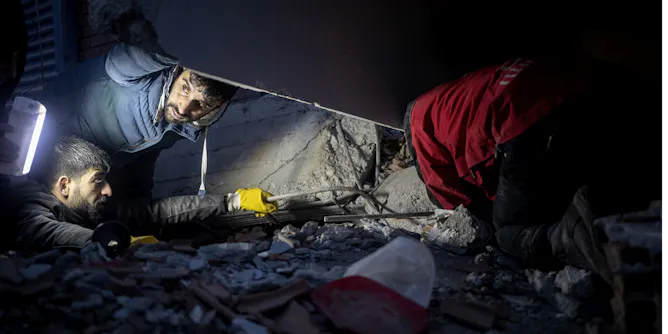
At least 1,700 people are thought to have died.
Articles on Natural disasters
Displaying 221 - 240 of 703 articles
Using space imagery can help guide relief efforts to critical areas during a natural disaster.
A new neuropsychology study on California wildfire survivors found chronic cognitive problems in addition to anxiety and PTSD.
The majority of flood-related deaths involve vehicles in water. What if flood models could warn of the risks street by street using real-time storm forecasts? Machine learning can make it possible.
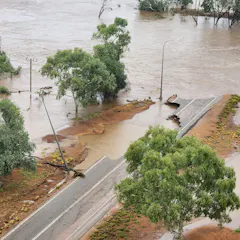
The Kimberley region of Western Australia is currently being devastated by flooding. Remote communities need more support with prevention and recovery plans.
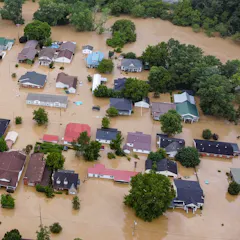
A monster hurricane, destructive storms and a drought that disrupted businesses across the economy led the list of the year’s costliest disasters.
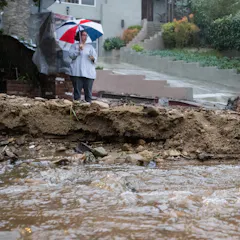
Mudslides start with destabilized land, often from wildfires, and then rain drives the cascading disaster.
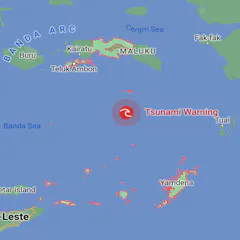
Earthquakes originating underneath the ocean are often accompanied by tsunami warnings. Here’s what determines the tsunami risk.
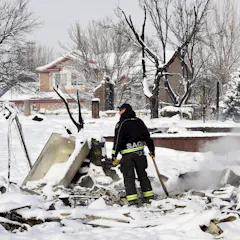
Noxious smells and blowing ash initially made the homes unlivable. But even after their homes were cleaned, some residents still reported health effects months later.
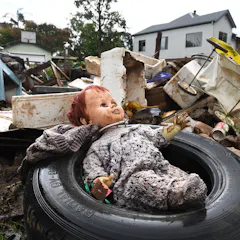
Australia must recognise the complex risks associated with cascading natural disasters, and draw on the knowledge and experience of all citizens.

Millions of people around the world suffered through deadly flooding and long-lasting heat waves in 2022. A climate scientist explains the rising risks.
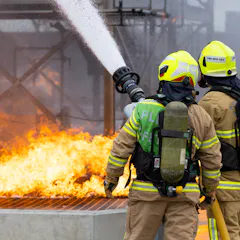
We need a way for our laws to protect both humans and nature when it comes to bushfire risk
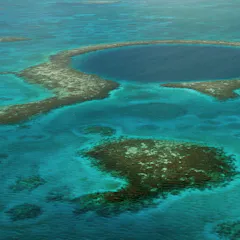
A look back at hurricane history suggests we may be significantly underestimating future risks.
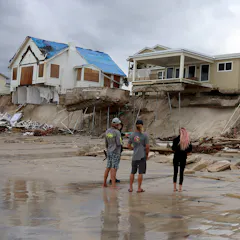
Dozens of homes near Daytona Beach collapsed or were left unstable when Hurricane Nicole struck. Here’s what can be done to reduce that kind of risk.

It’s a landmark agreement, acknowledging for the first time that wealthy countries bear some responsibility to help. But it leaves many unanswered questions.
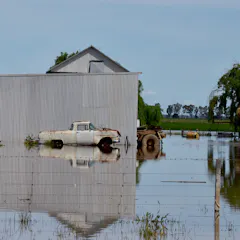
With Australia experiencing its third year of a La Niña weather cycle, First Nations communities continue to be disproportionately impacted by floods. Culturally safe solutions are needed.
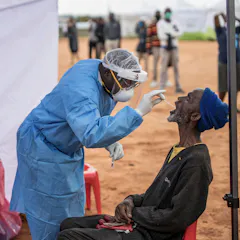
The human population has doubled in 48 years, and worsening climate change has left the world facing serious health risks, from infectious diseases to hunger and heat stress.

Natural disasters associated with climate change put people at risk of injury and death, and alter the prevalence and distribution of illnesses and infectious diseases.
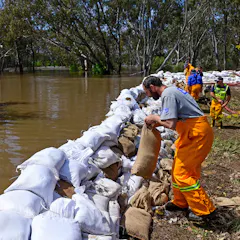
After storms of rain come storms of blame. But the blame game is circular. To stop disasters, we must prepare for disasters.
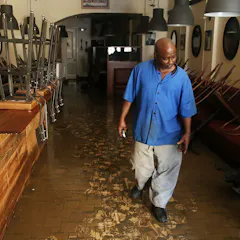
Research shows that coastal businesses’ hurricane recovery depends on workers being able to return.
Top contributors
-

Professor of Geology and Environmental Geosciences, University of Dayton
-
Honorary Professor of Hazards and Disaster Risk Sciences, University of Sydney
-
Professor of Climate Science, UMass Lowell
-
Associate Professor of Landscape Architecture and Urban Planning, Texas A&M University
-
Professor of Disasters and Health, UCL
-
Professor Emeritus of Geography, Louisiana State University
-
Clinical Assistant Professor of Education, Health and Behavior Studies, University of North Dakota
-
Professor of Political Science, Public Policy and Urban Affairs, Northeastern University
-
Scientia Professor and ARC Laureate Fellow, Kaldor Centre for International Refugee Law, UNSW
-
Professor of Geography, University of Tennessee
-
Professor of Earthquake Science, The University of Melbourne
-
Associate Professor of Civil Engineering, Boise State University; United Nations University
-
Professor of Public Administration, Binghamton University, State University of New York
-
Associate Professor of Human Geography, University of Tasmania
-
Principal Investigator FiRES Project (SNSF Consolidator Grant), ETH Zürich, Switzerland // Honorary Associate Professor, University of Wollongong, Australia.