
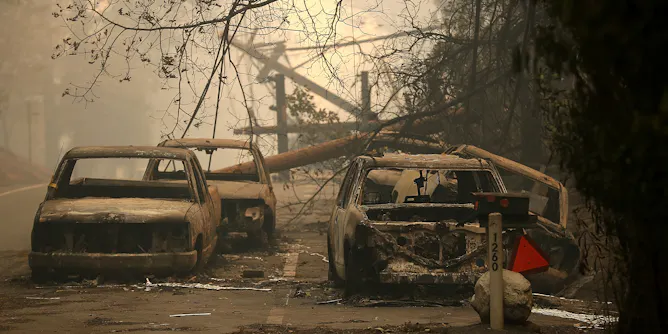
Buildings aren’t the only things at risk in wildfires. Recent disasters in California have left local water system contaminated with toxic chemicals afterward, slowing return and recovery.
Articles on Natural disasters
Displaying 381 - 400 of 703 articles
Hurricane and tornado winds spin in circles, but there’s another, equally dangerous storm type where winds barrel straight ahead. They’re called derechos, and are most common in summer.
It’s time to redesign food systems that deliver healthy foods, allow farming families to make a good living, and support thriving societies.
Massive cyclone that hit India and Bangladesh could have been so much worse.
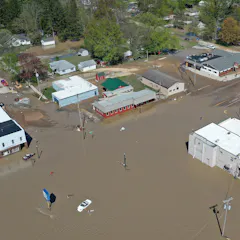
Extreme weather events prompt people to move, a trend that could accelerate in a warming climate. But the ability to migrate internally in the US depends largely on economic status.

Despite the best efforts of governments, schools and parents there’ll be learning losses across the board and worsened educational outcomes for the poor.
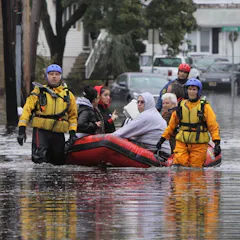
The US faces a high risk of hurricanes and other disasters this year that could leave thousands of people in need of shelter. COVID-19 will make those disasters more dangerous to manage.
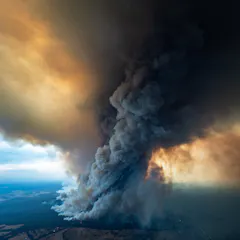
Australian emergency services are using social media for a number of purposes during disasters. What they are not doing well is analysing social media data in real time to improve disaster management.
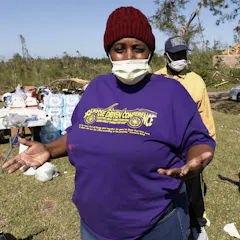
If the forecasts are right, the US could be facing more natural disasters this year – on top of the coronavirus pandemic. Local governments aren’t prepared.
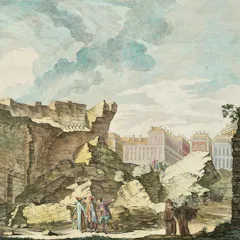
The big questions don’t get much bigger. After the Lisbon earthquake killed thousands, philosopher Voltaire took aim at Gottfried Wilhelm Leibniz and skewered his view that God is good.
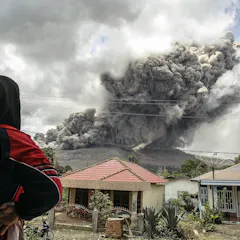
What is political will or political commitment to disaster risk reduction? Why is it important to measure political commitment? And how to measure it?
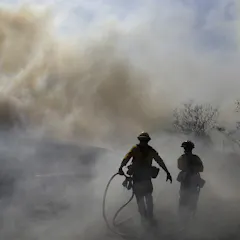
Wildfire smoke makes it harder for firefighters’ bodies to fight off viral invaders. But firefighting conditions make the usual protective measures nearly impossible.
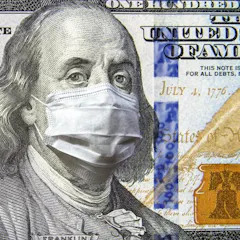
Insurance companies are paying out hefty claims due to COVID-19. Here’s how catastrophe bonds come into play.
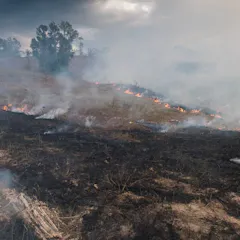
Philanthropy in the form of financial donations is not a solution to the natural disasters caused by climate change. A new philanthropy of social change is needed.
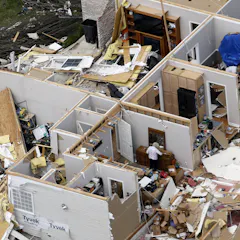
In the Southeast US, tornadoes strike at night more often than in other regions. This poses special challenges for getting early warnings to the public.
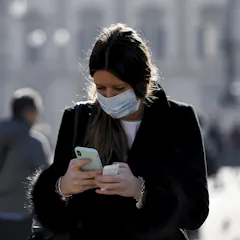
By providing users with pertinent and reliable disaster-related information, Twitter has the potential to reduce the impact of a disaster. So why aren’t public organizations using it properly?
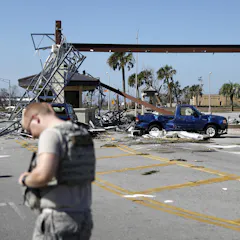
US military leaders have to plan for operations all over the world, so they can’t afford to ignore climate change or debate its causes.
Most of us are familiar with the concept of psychological trauma. But what is collective trauma, and how can we tackle it in the wake of the bushfire crisis?
We do a disservice to survivors of major tragedies when we call them “heroes.” Instead, we should change our policies and attitudes to help them truly survive the disaster.

How could a nation like Australia came close to a humanitarian crisis during the recent bushfires? A problem-solving theory called “systems thinking” can help us find out.
Top contributors
-

Professor of Geology and Environmental Geosciences, University of Dayton
-
Honorary Professor of Hazards and Disaster Risk Sciences, University of Sydney
-
Professor of Climate Science, UMass Lowell
-
Associate Professor of Landscape Architecture and Urban Planning, Texas A&M University
-
Professor of Disasters and Health, UCL
-
Professor Emeritus of Geography, Louisiana State University
-
Clinical Assistant Professor of Education, Health and Behavior Studies, University of North Dakota
-
Professor of Political Science, Public Policy and Urban Affairs, Northeastern University
-
Scientia Professor and ARC Laureate Fellow, Kaldor Centre for International Refugee Law, UNSW
-
Professor of Geography, University of Tennessee
-
Professor of Earthquake Science, The University of Melbourne
-
Associate Professor of Civil Engineering, Boise State University; United Nations University
-
Professor of Public Administration, Binghamton University, State University of New York
-
Associate Professor of Human Geography, University of Tasmania
-
Principal Investigator FiRES Project (SNSF Consolidator Grant), ETH Zürich, Switzerland // Honorary Associate Professor, University of Wollongong, Australia.